General’s War Admission Sparks Outrage, Exposes Deeper Issues
A top general's testimony on the Iran conflict reveals alarming civilian casualty concerns and unexpected Russian gains, sparking outrage and calls for greater congressional oversight. The hearing exposes strategic missteps and the urgent need for accountability in U.S. military engagements.

General’s War Admission Sparks Outrage, Exposes Deeper Issues
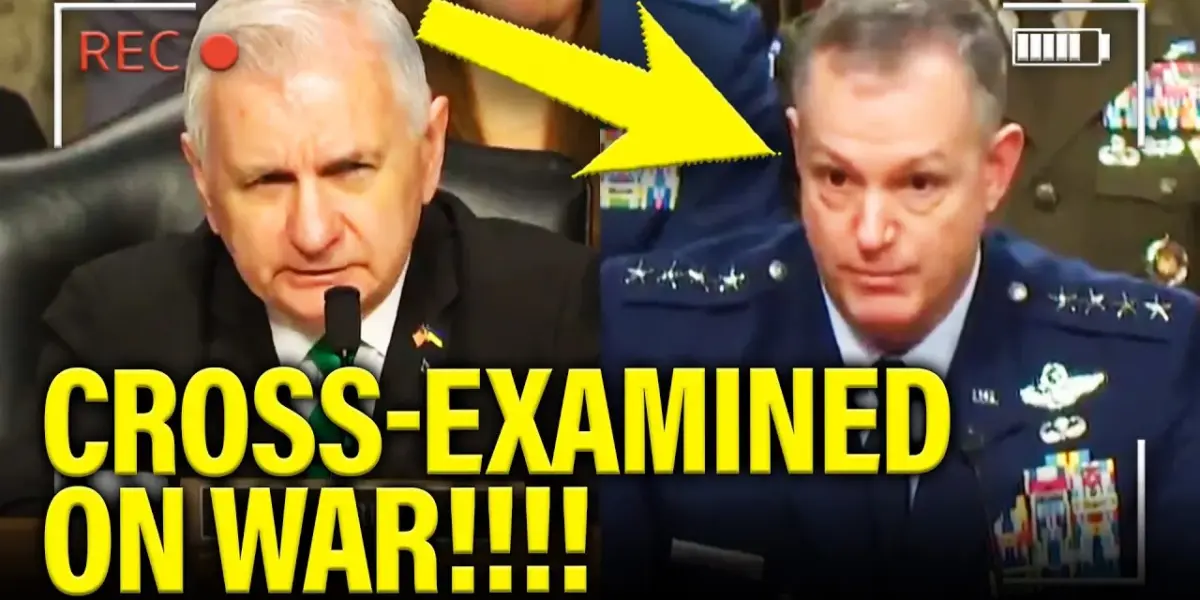
A recent congressional hearing on Capitol Hill has thrust the ongoing conflict in Iran into the spotlight, with a “shock admission” from a top general raising serious questions about the legality, conduct, and strategic implications of U.S. military involvement. General Grinkowich, the new Supreme Allied Commander in Europe with oversight over parts of Asia and the Middle East, faced pointed questioning that revealed significant concerns regarding civilian casualties and the unintended beneficiaries of the prolonged engagement.
Targeting Schools: A Moral and Strategic Failure?
One of the most disturbing revelations from the hearing concerned the alleged targeting of an elementary school in Manab by U.S. forces on the first day of strikes. Reports indicate that this strike resulted in the deaths of 150 young girls and 185 people in total. While former President Donald Trump has reportedly denied knowledge of such an event, U.S. intelligence and military assessments appear to confirm its occurrence. The gravity of this alleged incident was underscored by Senator questions, who pointed out that even a casual observer with access to satellite imagery, like that available on Google Maps, could identify the location as a school. The New York Times, in a recent report, also leveraged such data. The senator pressed General Grinkowich on what steps would be taken to ensure targeting practices align with American values.
General Grinkowich, a seasoned fighter pilot, asserted his commitment to avoiding civilian harm and casualties, emphasizing the multiple safeguards in place at both tactical and operational levels. He detailed personal involvement in assessing civilian risk before weapon release and assured senators of “robust standards” for target verification, including regular intelligence updates and imagery review. However, his testimony was met with skepticism, particularly when contrasted with the reported stance of Secretary Hegsth, who has allegedly criticized rules of engagement designed to mitigate civilian harm and significantly cut funding for the Civilian Protection Center of Excellence.
Unintended Beneficiaries: Russia’s Gain from Middle East Conflict
Beyond the immediate concerns of conduct and casualties, the hearing also illuminated the complex geopolitical ramifications of the conflict, revealing an unexpected beneficiary: Russia. The dramatic increase in oil and gas prices, partly attributed to the instability in the region, has provided a significant economic boost to Russia at a time when its economy was reportedly suffering from years of warfare. Furthermore, the U.S. has reportedly lifted sanctions on Russian oil deliveries, and the necessity of supplying Patriot missiles to the Gulf has diverted resources that could have otherwise been sent to Ukraine. This situation has led to concerns that Russia is unintentionally gaining substantial “staying power” from the conflict.
General Grinkowich acknowledged the rise in oil and gas prices and Russia’s dependence on them, stating that the extent of Russia’s benefit is contingent on the duration of elevated prices. He assured that the Department of Defense and the President are closely monitoring the situation and are concerned about global energy prices. While confirming the continued flow of munitions to Ukraine, he deferred specific details on the implications to a classified session, suggesting a complex interplay of strategic decisions and resource allocation.
A Call for Serious Leadership and Congressional Oversight
The discussion extended to the broader context of U.S. foreign policy and leadership, with critics pointing to alleged meetings between former President Trump’s envoys and Russian officials to discuss lifting sanctions and fostering economic cooperation. This, coupled with the perceived mishandling of negotiations with Iran, has fueled calls for more experienced and strategically-minded individuals in positions of power, particularly those with military backgrounds who understand the gravity of conflict.
Matt Mazdom, a former Navy SEAL and Obama’s military aide, now running for Congress in Michigan’s 7th district, offered a compelling perspective. Drawing parallels between the U.S. military’s inherent strength and the quiet confidence of truly powerful individuals, he argued against unnecessary displays of force and the initiation of prolonged conflicts without clear objectives or exit strategies. Mazdom stressed the importance of planning, preparation, and congressional authorization before engaging in military action, likening a lack of such preparedness to a boxer neglecting to protect vital areas.
He expressed concern over the lack of transparency and a clear plan for the current engagement in Iran, questioning the mission’s objectives and end game. Mazdom highlighted the financial burden of such conflicts, estimating billions of dollars spent daily, and argued that these resources could be better utilized addressing domestic needs like healthcare, housing, and groceries, which are increasingly unaffordable for constituents in his district. He criticized the incumbent, Tom Barrett, for being a “rubber stamp” for Trump and failing to represent the interests of his constituents, particularly concerning economic well-being and democratic principles.
Historical Context and Future Outlook
The current situation echoes historical debates about executive overreach in military engagements. The Constitution clearly delineates the power to declare war as a congressional prerogative, yet recent decades have seen a trend towards presidents initiating significant military actions without formal declarations. This hearing, and the candid remarks of General Grinkowich, serve as a critical reminder of the need for robust congressional oversight and public accountability in matters of war and peace.
The implications of the conflict in Iran are far-reaching, impacting not only regional stability but also global energy markets and the geopolitical balance of power. The potential for prolonged conflict, coupled with the diversion of critical military resources, raises concerns about U.S. readiness and its ability to address other global challenges, including support for allies like Ukraine. The upcoming congressional elections, particularly races like Michigan’s 7th, are framed as crucial in determining the direction of U.S. foreign policy and the reassertion of checks and balances on executive power.
Why This Matters
This hearing and the subsequent analysis are pivotal because they bring to light critical failures in the decision-making process surrounding military engagement. The alleged civilian casualties, the strategic benefits accruing to adversaries like Russia, and the diversion of resources from domestic needs all point to a potential disconnect between the objectives of military action and the values and interests of the American people. The debate highlights the urgent need for transparency, clear strategic goals, adherence to international law, and, crucially, the constitutionally mandated role of Congress in authorizing the use of force. The testimony underscores that military strength must be wielded with strategic foresight, ethical consideration, and democratic accountability.
Conclusion
The admission from General Grinkowich is more than just a factual report; it’s a signal of deep-seated issues within the U.S. military and foreign policy apparatus. As the conflict in Iran continues, the lessons from this hearing must inform future decisions, emphasizing the paramount importance of thorough planning, ethical conduct, and democratic deliberation before committing the nation to war. The voices of veterans like Matt Mazdom, advocating for responsible leadership and a focus on both national security and domestic well-being, are essential in navigating these complex challenges.
Source: TOP General makes SHOCK ADMISSION on WAR at HEARING!! (YouTube)

Related Articles
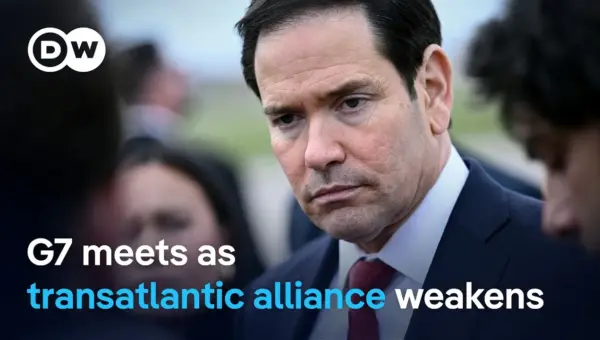
G7 Allies Clash Over Iran War Strategy, Urge Focus on Russia
G7 foreign ministers met in Paris, revealing deep divisions over the U.S. war with Iran. European allies urged the U.S. to pressure Russia, linking its actions to the conflict and fearing support for Ukraine will wane.


Iran Blocks China Ships, Exposing Beijing’s Weak Grip
Iran's recent decision to block Chinese ships at the Strait of Hormuz is exposing the limits of Beijing's influence in the Middle East. This action is causing delays and cancellations for Chinese manufacturers, turning a perceived geopolitical win into an economic strain.
Trump’s “Walk Away” Tactic Signals Tougher Stance on China
Retired Air Force Brigadier General David Stillwell believes President Trump's strategy of being willing to walk away from negotiations puts pressure on China. This tactic, combined with US global actions and strengthened alliances, signals a more assertive American foreign policy.