General: “Not been in a predicament like this” amid nuclear threats
A retired U.S. Army Lieutenant General expressed unprecedented concern over the President's threats of potential "annihilation" against Iran. As diplomatic efforts stall and a deadline looms, experts question the legality of targeting civilian infrastructure and the damage to U.S. credibility. Allies are reportedly frustrated, calling for a unified diplomatic approach.

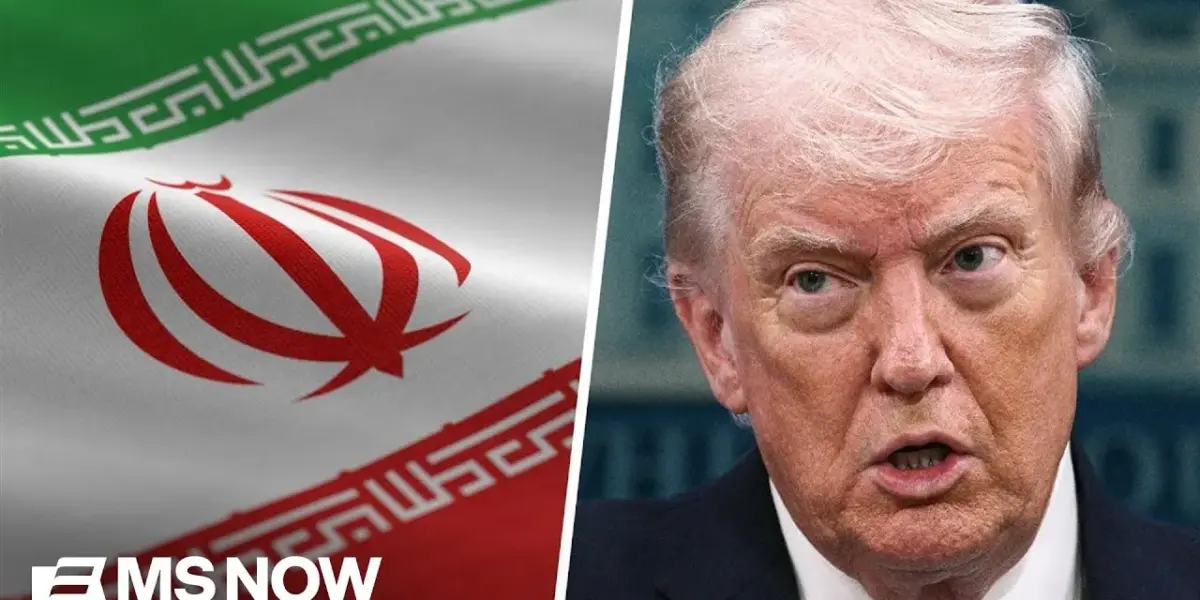
General Expresses Unprecedented Concern Over President’s Threats
A retired U.S. Army Lieutenant General, who served for 40 years, has voiced deep alarm over the current geopolitical situation, stating he has “not been in a predicament like this.” The comments come as the President of the United States issued stark threats, including the potential annihilation of an entire civilization, amid ongoing tensions with Iran. These pronouncements have raised serious concerns among national security experts and allies, particularly as critical diplomatic talks approach a looming deadline.
Diplomatic Efforts Stall as Deadline Looms
Negotiations aimed at reaching an agreement with Iran appear to be faltering, with just hours left before a presidential deadline. Two diplomats from the Persian Gulf region have described the chances of a deal as “very low,” with one even suggesting the probability is near zero. A key indicator cited is the travel of Vice President J.D. Vance to Hungary. Vance is reportedly part of the negotiating team working with Iran, alongside Steve Whitcoff and Jared Kushner. His departure overseas is seen as a sign that a breakthrough is unlikely.
President’s Rhetoric Sparks Alarm, Undermines Diplomacy
The President’s threats, including the potential destruction of bridges and power plants across Iran, have been met with widespread concern. “No, not in American history have we seen a president essentially threatened nuclear war,” stated Joel Rubin, former Deputy Assistant Secretary of State. He described the current diplomatic approach as a “throw the spaghetti at the wall phase,” where the President is acting unilaterally without a clear diplomatic strategy or support from allies. This approach, experts warn, is damaging the nation’s credibility and preventing the administration from securing a favorable outcome.
Concerns Over Legality of Potential Military Strikes
Retired Lieutenant General Mark Twitty highlighted the difficult position the military finds itself in. He noted that while some infrastructure like bridges could be legitimate military targets if used for troop movements, the broad threat to decimate all bridges and power plants across the country raises serious legal questions. “I’m not so sure that all those facilities would be legal targets,” General Twitty stated. Lawyers within the National Security Council and at the unit level are reportedly working to link any potential targets to direct military operations, but the wide scope of the President’s statements is a significant concern.
Allies Express Frustration, Call for Unified Approach
International allies are reportedly frustrated with the United States’ perceived erratic behavior and lack of a clear diplomatic off-ramp. The Wall Street Journal has detailed these frustrations, noting that other nations are concerned about the unpredictable nature of U.S. foreign policy. “For our allies, they’re very concerned and frustrated. They need to step in,” commented Rubin. He emphasized the need for NATO Secretary General Jens Stoltenberg, who is set to visit Washington, to present a unified plan with NATO allies to address the issues Iran has created in the region. Without a diplomatic solution, allies feel compelled to intervene to de-escalate the situation.
Iran’s Response and the Risk to Civilian Life
In response to the escalating tensions, the Iranian regime has called for human chains around power plants and its president has spoken of sacrificing lives. This signals a determination to resist, an attempt to “out-bluff Trump’s bluffing,” according to David Rode, senior national security reporter. The primary concern remains the President’s rhetoric threatening an entire civilization. This places American military personnel in a difficult position, as lawyers must approve strikes, and the potential for unintended civilian casualties is high. The strategy of targeting civilian infrastructure like power plants and bridges is also questioned, with experts suggesting it could generate sympathy for the regime rather than lead to its collapse.
Military Options and the Hope for De-escalation
General Twitty reiterated his opposition to the war and suggested that alternative options exist beyond striking civilian infrastructure. He expressed a preference for deploying U.S. ground troops to fight and secure territory over actions that could result in civilian deaths. “It is my hope that the generals stand forward and say, look, if we’re going after civilian targets, then put your stars on the line,” the General stated. He urged for cooler heads to prevail and for a thorough consideration of all available options before resorting to potentially devastating measures. The lack of robust diplomacy and international mediation remains a significant concern.
Long-Term Impact on Alliances and Global Security
The current approach risks isolating the United States and weakening its global standing. “America is safer and stronger when we have our allies,” Rubin emphasized. By pursuing a solitary path, the President is jeopardizing decades of established alliances that have contributed to global security since 1945. This unilateral action, even with support from a few partners like Israel, is seen as dangerous for overall U.S. security. The long-term consequences of alienating allies could include a less stable international order and diminished U.S. influence.
Source: 'I served in the Army 40 years and I have not been in a predicament like this': Ret. Lt. Gen. (YouTube)

Related Articles
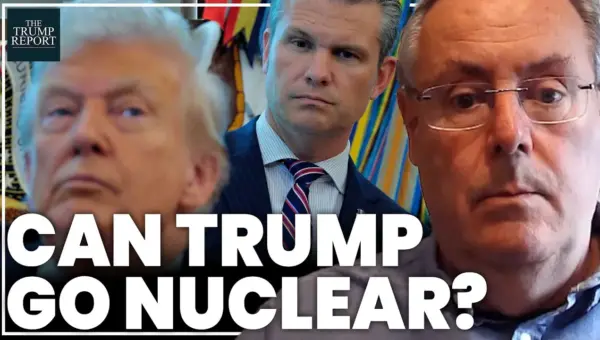
Nuclear Threats Loom: US-Iran Conflict Risks Global Catastrophe
Renewed discussions about nuclear options and escalating rhetoric between the US and Iran signal a dangerous path. Experts warn of potential global catastrophe as military strategies and diplomatic efforts falter, leaving the world in a precarious state.

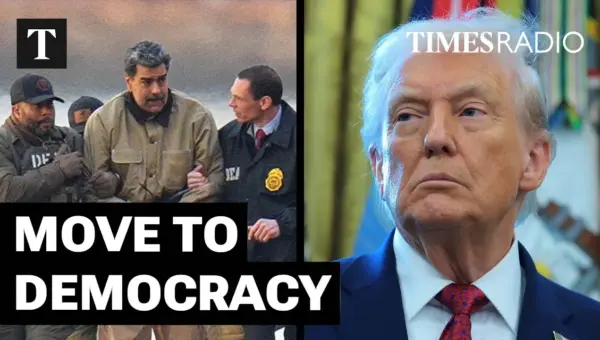
US Keeps Venezuelan Oil Grip as Maduro’s Successor Faces Uncertainty
The U.S. is maintaining control over Venezuelan oil as acting president Delcy Rodríguez's tenure exceeds a legal limit. Former Ambassador Patrick Duddy explains the U.S. strategy involves stabilization before democracy, citing economic collapse and a regional refugee crisis as key concerns beyond just oil interests. Tensions with Iran also remain high.
China’s ‘Quarantine’ Plan Could Trap Taiwan, Experts Warn
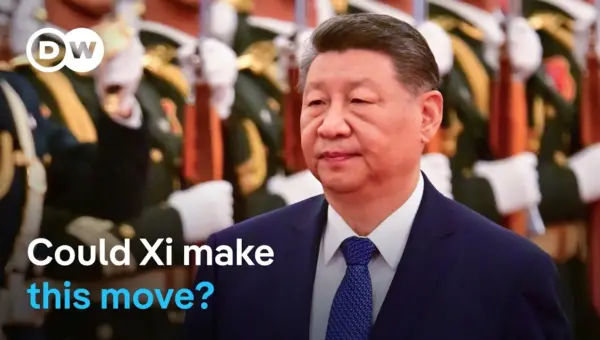
Experts are warning of a new Chinese strategy: a 'quarantine' of Taiwan. This scenario could see China blockade the island, cutting off supplies and exerting control without a direct invasion. The move presents complex dilemmas for the U.S. and its allies, who must decide how to respond to this gray-zone tactic.