General Hodges: US Officers Must Resist Illegal Trump Orders
Former NATO commander Lt. Gen. Ben Hodges stated that President Trump's threats to destroy Iranian civilian targets could constitute war crimes. He urged U.S. officers to use their moral courage to resist illegal orders, even from the commander-in-chief.

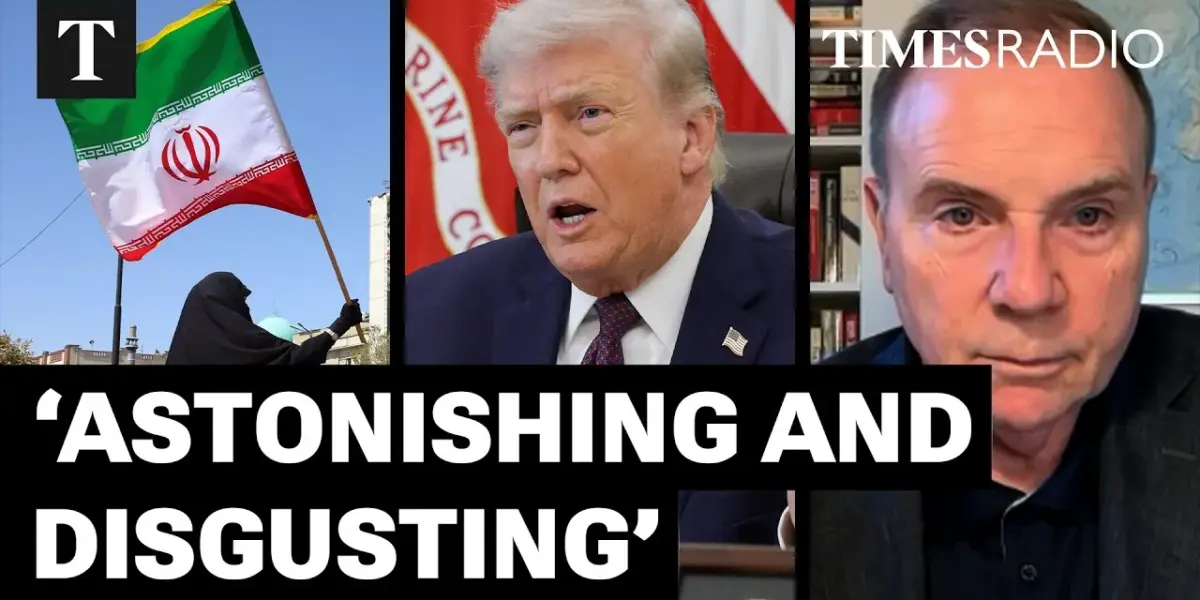
Former NATO Commander Questions Trump’s Iran Threats, Urges Moral Courage
Former Lieutenant General Ben Hodges, who once led NATO’s Allied Land Command, has voiced serious concerns over President Trump’s rhetoric regarding potential military action in Iran. In a recent interview, Hodges suggested that Trump’s public statements, including threats to destroy Iranian civilian infrastructure and the potential for “a whole civilization” to die, could constitute war crimes. He urged U.S. officers to uphold their moral and legal obligations and resist unlawful orders, even from the commander-in-chief.
War Crime Concerns Over Civilian Targets
President Trump’s social media posts have included alarming statements like, “A whole civilization will die tonight, never to be brought back again.” He also stated, “I don’t want that to happen, but it probably will.” Hodges emphasized that destroying civilian targets without direct military relevance is illegal under international law. He believes such pronouncements would serve as key evidence at the International Criminal Court if war crimes are prosecuted.
“What I’m hearing is the commander-in-chief um give indication that he’s going to give them an order to commit a war crime.”
Hodges drew a parallel to his own past experience, recalling an instance where he stated he would not obey an order to invade Greenland if it lacked clear military justification. He stressed that while destroying bridges used for military movements might be debatable, targeting power plants that serve essential civilian functions like hospitals and schools is particularly problematic.
Moral Courage and the Chain of Command
When asked directly if he would refuse an order to destroy Iranian power stations, Hodges affirmed that he would. He explained that legal advisors within the military help officers analyze the legality of orders. If a target, like a specific power plant, lacks clear military relevance, officers have a duty to question it through the chain of command.
“I would be going back up the chain of command saying, ‘Hey, you realize to my commander or to the secretary the this power plant has zero military relevance. Yes. I don’t I don’t think we can do it,'” Hodges stated. He added that if the issue isn’t resolved, he would ultimately refuse, even if it meant facing a court-martial.
Questioning Strategic Goals and Allied Confidence
Beyond the legality of specific actions, Hodges expressed frustration with the lack of clear strategic objectives and communication surrounding potential military action. He criticized Trump for making “outrageous statements” without briefing Congress, rallying public support, or coordinating with allies.
The former general also commented on Trump’s idea of charging other countries tolls for using the Strait of Hormuz, calling it “absurd” and a “mercantilist approach to national security.” He believes such actions and rhetoric are likely baffling allies and damaging U.S. credibility and intelligence sharing.
Assessing Strikes on Kish Island and Ground Assault Risks
Regarding strikes on Kish Island, Iran’s key oil depot, Hodges noted that reports indicate attacks have focused on military facilities like air defense systems. While targeting military assets is logical, he reiterated the need to understand the broader purpose. He also highlighted that destroying Iran’s oil and gas infrastructure has historically been avoided due to its widespread economic impact.
Discussing the possibility of a ground assault, Hodges warned of significant risks. He acknowledged the courage and competence of U.S. troops but stressed the importance of knowing the mission’s objective and ensuring adequate defenses against Iranian drone and missile capabilities. He pointed to the recent rescue of two U.S. airmen as an example of a complex operation that likely involved significant costs and Iranian responses, cautioning against assuming an easy ground invasion.
Public Opinion and Leadership Clarity
Hodges observed that American society is deeply divided, with political discourse marked by intense vitriol. He noted that a segment of the population supports Trump unconditionally, while another segment opposes him regardless of his actions. This polarization, he argued, makes clear communication from civilian leaders about the reasons for military actions critically important.
He expressed pessimism about President Trump providing such clarity, citing the president’s tendency towards “fact-free rants” and personal attacks, even during public events. Hodges concluded that without a clear explanation of the ‘why,’ public support for military engagement, especially with potential casualties, would likely erode.
Looking Ahead
The situation remains tense, with the potential for escalation hanging in the balance. The U.S. military’s adherence to international law and the courage of its officers in the face of potentially unlawful orders will be critical. Attention will also be on whether diplomatic channels can de-escalate the situation or if political rhetoric will push toward further conflict, and how allies and adversaries alike interpret U.S. intentions.
Source: I Hope US Soldiers Stand Against Trump’s Order | Lieutenant General Ben Hodges (YouTube)

Related Articles
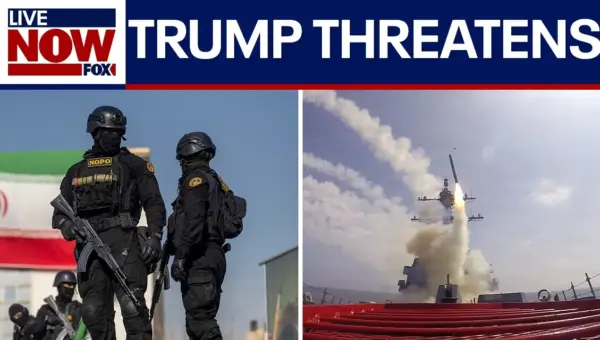
GOP Congressman Discusses Iran Threats, DHS Funding
Congressman Marlon Stutzman discussed former President Trump's strong statements on Iran and the challenges of funding the Department of Homeland Security. He believes reconciliation is the key legislative path forward for DHS funding. Stutzman also suggested potential savings to offset costs by reducing fraud and waste in government programs.

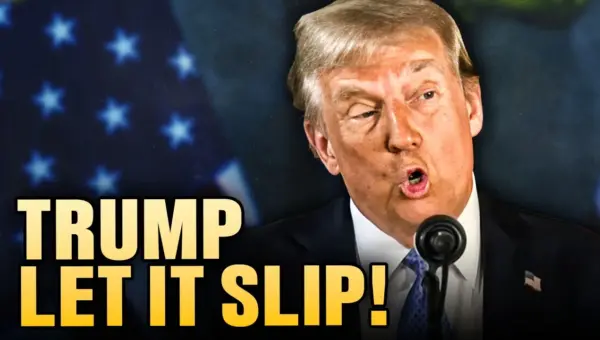
Trump’s Iran Arms Blunder Echoes Past US Fiascoes
President Trump's recent admission of a failed plan to arm groups in Iran echoes past US foreign policy blunders. The weapons were reportedly kept by recipients, not used as intended. This incident raises concerns about decision-making and the effectiveness of interventionist strategies, drawing parallels to historical fiascoes like Iran-Contra.


Trump Escalates Iran Tensions: A New Global Crisis?
Former President Donald Trump's recent strong warnings against Iran are raising global concerns about a potential new conflict. Analysts Adam Mockler and Ahmed Baba are breaking down these escalating tensions. The situation highlights the complex history of U.S.-Iran relations and the potential for significant geopolitical fallout.