General Blasts “Comic Book Tough Guy” Over Officer Promotions
A four-star general has criticized Pentagon leadership, calling it a "comic book tough guy" over the alleged blocking of promotions for two Black and two female officers. This controversial move raises concerns about discrimination and its impact on military morale during a critical geopolitical period.

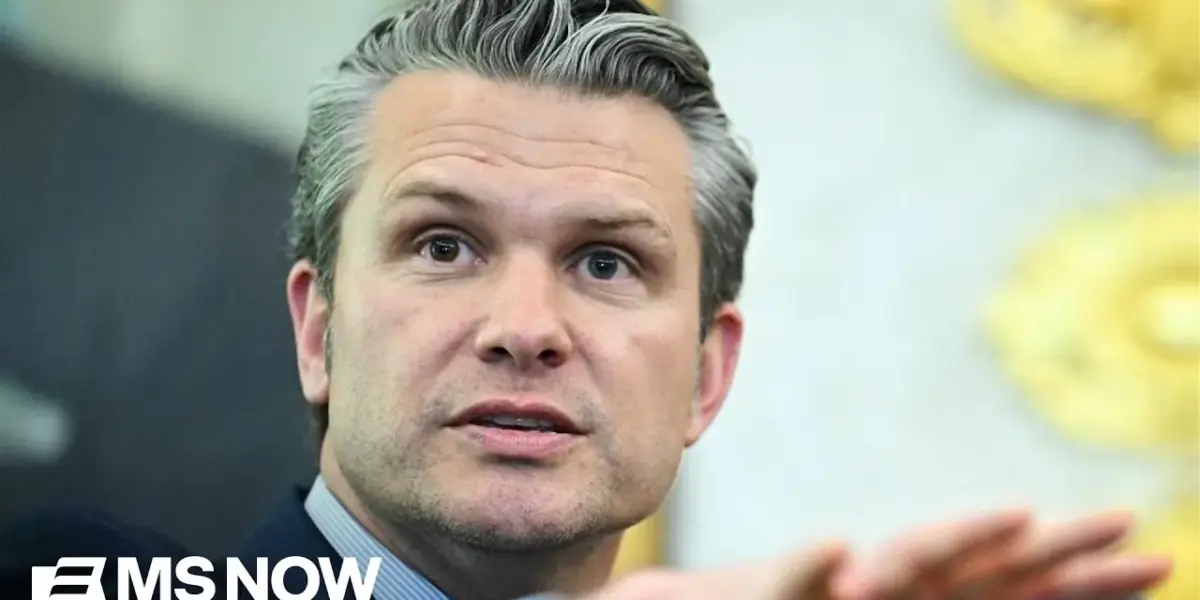
General Slams Pentagon Leadership Amid Promotion Controversy
A retired four-star general has strongly criticized Pentagon leadership, particularly referring to a figure described as a “comic book tough guy,” for what appears to be the blocking of promotions for two Black and two female officers. This highly unusual move has raised serious questions among senior military officials about potential discrimination based on race and gender. The report, citing sources within The New York Times, suggests a disturbing trend in military decision-making at a critical time for national security.
Concerns Over Discrimination in Military Promotions
The controversy centers on the alleged removal of four officers – two Black women and two other female officers – from contention for a one-star general promotion. This action is particularly noteworthy given that the majority of current military leadership consists of white men. Reports indicate that an aide to a high-ranking official made a startling comment, suggesting the president would not want to be seen with a Black female military leader.
A four-star general, speaking anonymously, expressed deep concern over the situation. “This has been going on since the day Trump was sworn in,” the general stated, referring to a perceived pattern of distrust towards military leadership. The general characterized some decision-making within the Pentagon as chaotic and driven by hysteria, likening a particular figure to a “comic book tough guy.”
Broader Implications for Military Morale and Effectiveness
The alleged discrimination in promotions could have significant negative impacts on military morale and overall effectiveness, especially during a period of heightened international tension. When officers feel that their advancement is based on factors other than merit, it can undermine the dedication and commitment of service members. This is particularly concerning when the military is facing complex geopolitical challenges.
Geopolitical Tensions and Strategic Goals
The discussion around the officer promotions comes at a time when the United States is deeply involved in international conflicts, particularly concerning Iran. The general highlighted that key strategic objectives, such as stopping Iran’s nuclear program and reopening the Strait of Hormuz, are currently at risk. Achieving these goals, the general argued, requires more than just bluster; it demands a clear and effective strategy.
“You cannot stop a nuclear weapons program unless you have inspectors on the ground with robust rules of investigation,” the general explained. “That’s not going to happen under the current approach by the United States or Israel.” Similarly, reopening the Strait of Hormuz presents significant challenges. The general warned that the U.S. Navy would face a dangerous environment in the Persian Gulf, with risks from mini-submarines, naval mines, and missiles.
Calls for Diplomatic Solutions
Given the difficulties in achieving military objectives, the general emphasized the need for diplomatic solutions. “We have to have a diplomatic solution,” the general concluded. This perspective suggests that a purely military approach may not be sufficient to resolve the current international crises and achieve lasting stability.
Regional Partners Express Disappointment
Reporting from the region indicates that U.S. allies in the Gulf Cooperation Council (GCC) are also expressing frustration and concern. While some GCC nations still value their relationship with the United States, many are disappointed with the current approach. They feel that the U.S. initiated actions that disrupted regional stability without a clear plan for the consequences.
Ambassadors and ministers from the United Arab Emirates and other GCC countries have spoken about the importance of maintaining U.S. cooperation. However, they also urged the United States to address the instability it created. Before recent events, there was a sense of security, with fewer missile attacks and a functioning global economy. That sense of security has now been shattered.
Some within the GCC are pushing for the U.S. to “finish the job,” but the exact meaning of this remains unclear, with possibilities ranging from regime change to simply restoring the previous status quo. Other GCC countries, however, are advocating for a diplomatic solution. They have invested in a security umbrella with the U.S. for decades, but this cannot be sustained indefinitely. These nations want a diplomatic end to the conflict to bring stability and prosperity back to the region.
Uncertain Future for Regional Stability
The current situation leaves the region in a precarious state. Iran, even if militarily weakened, could become emboldened and continue to lash out at its neighbors. Alternatively, the conflict could lead to Iran’s collapse, creating a failed state and a refugee crisis that could spill into the GCC. Regional partners are watching these developments closely, with many expressing a lack of confidence in current U.S. leadership to prioritize their best interests.
The general’s comments, combined with the reporting on the promotion controversy, paint a picture of significant challenges both within the U.S. military leadership and in its foreign policy. The path forward likely requires a careful re-evaluation of strategic goals and a stronger emphasis on diplomatic engagement to ensure regional and global security.
Source: 'Comic book tough guy': 4-Star General on Hegseth blocking promotions of 2 Black, 2 female officers (YouTube)

Related Articles

Ukraine Eyes Missile Production Boost
CBS correspondent Eden Stretch reports on Ukraine's growing role in defense manufacturing, particularly missile systems. She also details the resilience of Ukrainian families through a harsh winter and discusses the evolving perception of Ukraine as a strategic partner rather than a drain on U.S. resources.

US Allies Rethink Ties as Washington Sows Global Discord
Allegations of geopolitical confusion and disregard for allies from the White House are straining international relationships. This perceived unpredictability is forcing nations to reconsider alliances and forge new economic partnerships, potentially reshaping the global order.

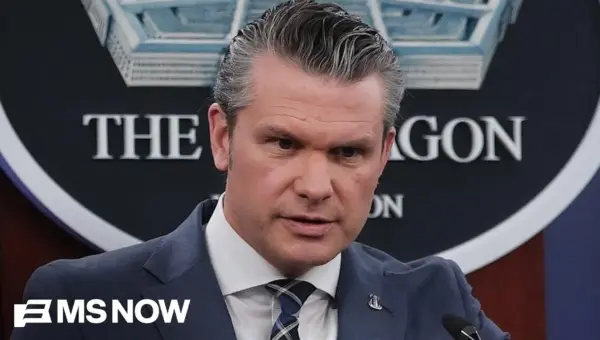
Defense Secretary Blocks Four Officers’ Promotions
Defense Secretary Pete Hegseth has blocked the promotion of four Army officers, two Black and two female, in a highly unusual move. This decision is raising questions about the promotion process and potential biases within the Pentagon. The move could be challenged in the Senate.