Gavin Newsom Declares War on Special Interests: A Progressive Blueprint for Political Reform
California Governor Gavin Newsom has emphatically rejected the influence of powerful special interest groups, including Big Oil, Big Tobacco, and AIPAC, vowing to refuse their money and champion comprehensive lobbying reform. His statements signal a progressive blueprint for the Democratic Party, urging an aggressive stance against corporate influence to make real progress for the American people.

Gavin Newsom Declares War on Special Interests: A Progressive Blueprint for Political Reform
In a bold and unequivocal statement, California Governor Gavin Newsom has drawn a clear line in the sand, publicly rejecting the influence of powerful special interest groups and vowing to champion comprehensive lobbying reform. His recent remarks, delivered with characteristic Californian frankness, signal a potential shift in the Democratic Party’s approach to campaign finance and corporate influence, positioning Newsom as a leading voice in a burgeoning movement to redefine American politics. The Governor’s targets are not minor players; he explicitly named Big Oil, Big Tobacco, and the American Israel Public Affairs Committee (AIPAC), asserting his unwavering refusal to accept their money or succumb to their pressures.
Newsom’s declaration goes beyond mere rhetoric, framing the pervasive power of these groups as a fundamental impediment to progress for the American people. He advocates for a “reform-oriented party” that aggressively confronts corporate special interests, acknowledging past shortcomings and emphasizing the urgency of a more assertive stance. This stance not only reinforces his progressive credentials but also resonates with a growing public sentiment that views money in politics as a corrosive force undermining democratic principles.
The Pervasive Influence of Special Interests: A Decades-Long Debate
The role of special interest groups and lobbyists in American politics is a subject of enduring debate, balancing First Amendment rights with concerns about undue influence and potential corruption. These groups, often representing specific industries, causes, or demographics, spend billions annually to advocate for their interests in Washington D.C. and state capitals. Their activities range from direct lobbying of lawmakers to campaign contributions, grassroots advocacy, and public relations campaigns designed to shape public opinion.
The argument for their existence often centers on the idea that they provide valuable information to legislators, represent diverse viewpoints, and facilitate the participation of various stakeholders in the policy-making process. However, critics, including Governor Newsom, contend that the disproportionate financial power of certain groups distorts the democratic process, allowing well-funded entities to push agendas that benefit a select few at the expense of the broader public interest.
The Supreme Court’s landmark decision in Citizens United v. Federal Election Commission (2010) further amplified these concerns, equating money with free speech and largely deregulating independent political spending by corporations and unions. This ruling opened the floodgates for Super PACs and other outside spending groups, allowing unlimited expenditures in elections, albeit without direct coordination with campaigns. The result has been an unprecedented influx of money into politics, making it increasingly difficult for candidates without access to significant funding to compete, and for policies that challenge powerful entrenched interests to gain traction.
Governor Newsom’s Stance: A Clear Line in the Sand
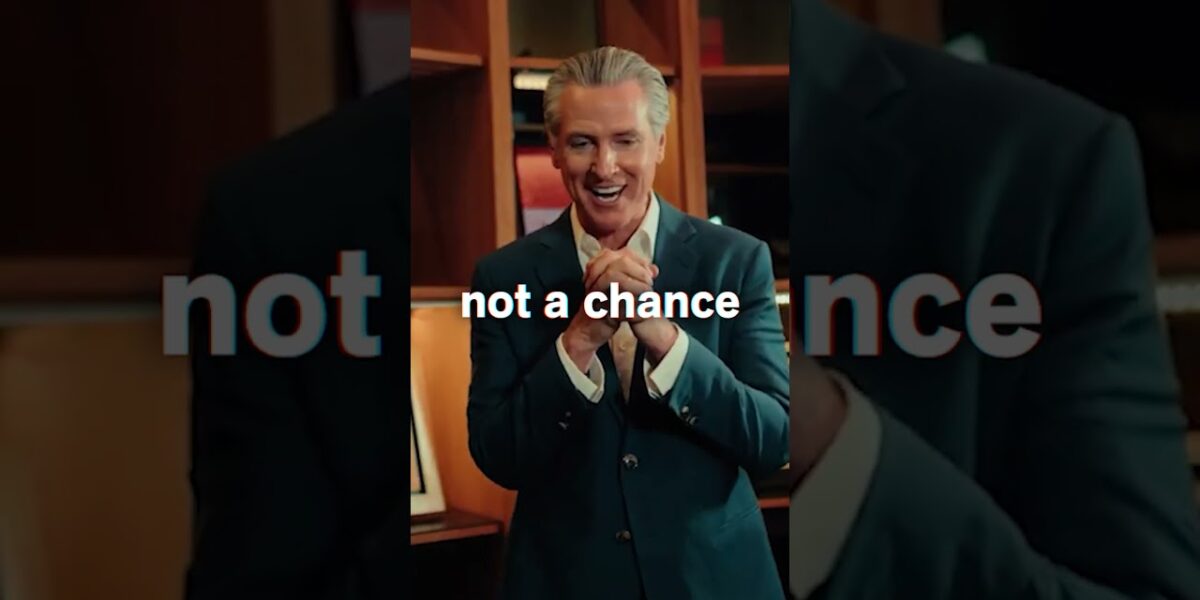
Governor Newsom’s recent comments underscore a deep-seated frustration with the status quo. When asked directly if he would accept money from various special interest groups, his responses were swift and unequivocal.
- Big Oil: “Not a chance in hell. They are the polluted heart of this climate crisis. Big oil, the lies and the mistruths they’ve been perpetuating.”
- Big Tobacco: “No damn way.”
- AIPAC: “Never have and will never will.”
This uncompromising posture is not merely a political tactic; it reflects a core tenet of his progressive ideology and a strategic effort to differentiate himself from traditional political figures often perceived as beholden to powerful donors. By explicitly naming these entities, Newsom is not only signaling his personal conviction but also attempting to rally support for a broader reform agenda.
Confronting Big Oil: The Climate Crisis Frontline
Governor Newsom’s vehement rejection of Big Oil money is perhaps his most consistent and defining stance, deeply rooted in California’s pioneering role in climate policy. As the world’s fifth-largest economy, California has long been at the forefront of environmental protection, setting ambitious targets for greenhouse gas reductions, promoting renewable energy, and implementing stringent emissions standards for vehicles and industries. This leadership has often put the state in direct opposition to the fossil fuel industry, which has historically resisted regulations that threaten its profitability.
Newsom’s characterization of Big Oil as the “polluted heart of this climate crisis” and his condemnation of their “lies and mistruths” reflect a widely held view among climate activists and scientists. For decades, major oil companies have faced accusations of funding disinformation campaigns to sow doubt about climate change, delaying crucial policy action and protecting their investments in fossil fuels. Internal documents and investigative journalism have revealed instances where these companies were aware of the climate impacts of their products even as they publicly downplayed the risks.
The influence of Big Oil extends far beyond direct lobbying. They engage in extensive public relations campaigns, contribute heavily to political candidates (often across party lines), and fund think tanks that promote industry-friendly policies. Their efforts have historically aimed to block or weaken legislation related to carbon pricing, renewable energy mandates, and stricter environmental regulations. This sustained pressure has made it incredibly challenging for policymakers to enact the bold, transformative changes necessary to mitigate climate change effectively.
In California, Newsom has consistently pushed for aggressive climate action, including phasing out oil extraction, investing in offshore wind, and accelerating the transition to electric vehicles. His administration has also pursued legal action against oil companies for alleged environmental damage and misleading consumers. His refusal to accept their money is thus a natural extension of his long-standing commitment to environmental stewardship and a clear message that his administration will not compromise on climate action for the sake of industry profits.
Taking on Big Tobacco: A Public Health Imperative
Newsom’s curt “No damn way” to Big Tobacco money underscores another critical public health battle. The tobacco industry has a notorious history of aggressive lobbying and marketing tactics, particularly aimed at youth, to maintain its customer base despite overwhelming scientific evidence of the devastating health consequences of smoking and vaping. For decades, tobacco companies wielded immense political power, successfully delaying regulations, fighting tax increases, and undermining public health campaigns.
The industry’s playbook has often involved creating front groups, funding sympathetic research, and launching sophisticated advertising campaigns that downplayed health risks or targeted vulnerable populations. Even as smoking rates declined in many developed countries, the industry pivoted to new products like e-cigarettes and heated tobacco, often marketing them as safer alternatives or cessation aids, a claim frequently disputed by public health experts.
California has been a battleground for tobacco control, pioneering measures such as smoke-free workplaces, high tobacco taxes, and restrictions on flavored tobacco products. These efforts have faced fierce resistance from the industry, which has spent millions on lobbying and ballot initiatives to overturn or block such regulations. Newsom, a former mayor of San Francisco, has a track record of supporting public health initiatives, including those aimed at curbing tobacco use. His rejection of Big Tobacco’s influence is a reaffirmation of his commitment to prioritizing public health over corporate profits, aligning him with generations of public health advocates who have fought tirelessly against the industry’s pervasive influence.
The AIPAC Conundrum: Navigating Foreign Policy Influence
Newsom’s declaration that he “never have and will never will” accept money from AIPAC is particularly noteworthy, as it addresses a powerful and often controversial player in American foreign policy. The American Israel Public Affairs Committee (AIPAC) is one of the most influential pro-Israel lobbying groups in the United States, known for its extensive network, significant campaign contributions, and highly effective advocacy for policies that support Israel’s security and interests.
AIPAC’s influence stems from its ability to mobilize grassroots support, engage directly with lawmakers, and endorse candidates who align with its policy positions. Through its political action committee (PAC) and network of donors, AIPAC contributes substantial funds to campaigns, often making it a formidable force in congressional elections. This financial leverage, combined with its organizational prowess, has led to a perception that AIPAC plays a decisive role in shaping U.S. policy towards the Middle East, often ensuring robust military and financial aid to Israel and advocating for specific diplomatic stances.
However, AIPAC’s power has also been a source of significant debate and criticism. Critics argue that its influence can lead to a U.S. foreign policy that is overly deferential to Israeli interests, potentially at the expense of broader American strategic objectives or the rights of Palestinians. Concerns are often raised about the group’s ability to sway elections, creating a chilling effect where politicians are hesitant to criticize Israeli policies for fear of losing AIPAC’s financial support or facing well-funded opposition in future elections.
For a politician like Newsom, rejecting AIPAC’s money could be interpreted in several ways. It could signal an attempt to distance himself from a lobby often associated with more hawkish foreign policy positions, or it could be a broader statement against the influence of single-issue lobbies on national policy. In the context of a Democratic Party grappling with internal divisions over U.S.-Israel policy, Newsom’s stance could position him as an independent voice, appealing to a progressive base that increasingly advocates for a more balanced approach to the Israeli-Palestinian conflict and a reduction in the role of money in foreign policy decision-making.
The Call for Democratic Reform: A New Path Forward
Beyond his specific rejections, Governor Newsom’s broader call for the Democratic Party to become a “reform-oriented party” is perhaps the most significant takeaway from his remarks. He explicitly states, “Look, I think you follow the money every time something goes wrong. We have to be a reform-oriented party. Uh and that’s something in the past we were defending the status quo. Uh Trump took advantage of that. Uh Democratic party needs to lean in and when it comes to lobbying reform, when it comes to these corporate special interests, we have to be much more aggressive.”
This acknowledgement of past complacency within the Democratic Party and his assertion that “Trump took advantage of that” is a candid admission. It suggests that the party’s failure to aggressively challenge entrenched interests may have alienated voters who felt abandoned by the political establishment. Newsom’s vision is one where the party actively champions lobbying reform, greater transparency, and a reduction in corporate influence, rather than passively accepting the existing framework.
Lobbying reform is a complex undertaking, fraught with legal and political challenges. Proposals often include:
- Campaign Finance Limits: Restricting the amount of money individuals and organizations can donate to political campaigns.
- Increased Transparency: Requiring more detailed and timely disclosure of lobbying activities, expenditures, and sources of funding.
- Revolving Door Restrictions: Implementing stricter rules to prevent former government officials from immediately lobbying their former agencies or colleagues.
- Independent Oversight: Establishing independent bodies to monitor lobbying activities and enforce ethics rules.
However, efforts to enact significant reforms often face resistance from both sides of the aisle, as many politicians benefit from the current system. Furthermore, legal challenges, particularly those citing First Amendment protections for speech and association, frequently stymie reform efforts. The Supreme Court’s interpretation of campaign finance as free speech makes it difficult to impose broad restrictions without facing constitutional scrutiny.
Newsom’s emphasis on California’s leadership in this area, while also humbly acknowledging “a lot more work to do,” suggests a willingness to leverage state-level successes as a model for national reform. California has indeed implemented various campaign finance regulations and transparency measures, though even these have their limitations.
His call for aggression against corporate special interests aligns with a growing progressive wing within the Democratic Party that advocates for systemic change to address economic inequality, climate change, and social justice issues. For these activists, meaningful progress on these fronts is impossible without first tackling the root cause of political dysfunction: the outsized role of money in politics.
Broader Implications and The Future of American Politics
Governor Newsom’s unequivocal stance against powerful special interest groups carries significant implications for his political future and the broader landscape of American politics. By positioning himself as a champion of reform and an opponent of corporate influence, he taps into a vein of public discontent that crosses ideological lines. Many Americans, regardless of their political affiliation, express frustration with a political system they perceive as rigged in favor of special interests and wealthy donors.
Should Newsom pursue national office, this platform could serve as a powerful differentiator, allowing him to appeal to voters weary of traditional politics and eager for genuine change. It signals a willingness to challenge established power structures, a trait that has resonated with voters in recent election cycles.
Moreover, his call for the Democratic Party to be more “aggressive” and “reform-oriented” suggests a potential internal struggle within the party. While many Democrats pay lip service to campaign finance reform, fewer have been as explicit in naming and rejecting specific powerful lobbies. Newsom’s approach could push the party to adopt a more confrontational posture, potentially leading to renewed efforts to enact comprehensive lobbying and campaign finance reforms at both state and federal levels.
Ultimately, Governor Newsom’s declaration is more than just a rejection of specific funds; it’s a blueprint for a political movement. It challenges the fundamental assumption that money must dictate policy and calls for a return to a political system where the interests of the American people, rather than powerful lobbies, are paramount. Whether this vision can translate into sustained political will and tangible reforms remains to be seen, but Newsom has certainly ignited a crucial conversation about the future of democratic governance in the United States.
Source: Gavin Newsom REJECTS AIPAC & Interest Groups #politics #fyp #new (YouTube)

Related Articles
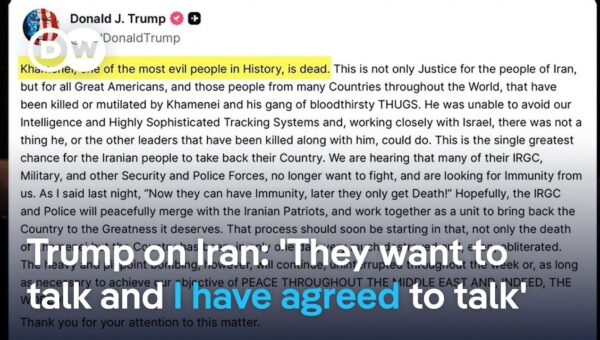
Trump Agrees to Talks with Iran After Major Strikes
President Donald Trump has agreed to talks with Iran's leadership following coordinated strikes that reportedly killed key figures, including the Supreme Leader. While Trump claims significant military successes, U.S. strategy remains unclear, and public opinion shows limited support for the actions amid rising American casualties.
Democrats Demand Clarity on Iran Strategy Amid Strike Concerns
Top Democrats are demanding clarity on President Trump's strategy in Iran, calling for an immediate War Powers vote amid concerns over escalating military actions. Lawmakers cite a lack of clear objectives, potential constitutional overreach, and insufficient diplomatic engagement as key reasons for their pushback.

MS NOW Reporter Details Unprecedented Call with Donald Trump
A reporter from MS NOW has detailed an exclusive phone conversation with former President Donald Trump. The call provided a rare, candid glimpse into Trump's current perspectives on national and international issues. This direct engagement highlights the ongoing influence of former presidents in political discourse.