Gas Prices Surge, Democrats Gain Senate Edge: A Political Tipping Point?
Soaring gas prices and a potential shift in Senate control are reshaping the political landscape. As voters grapple with economic pressures, prediction markets suggest Democrats are gaining an edge, challenging past Republican dominance.

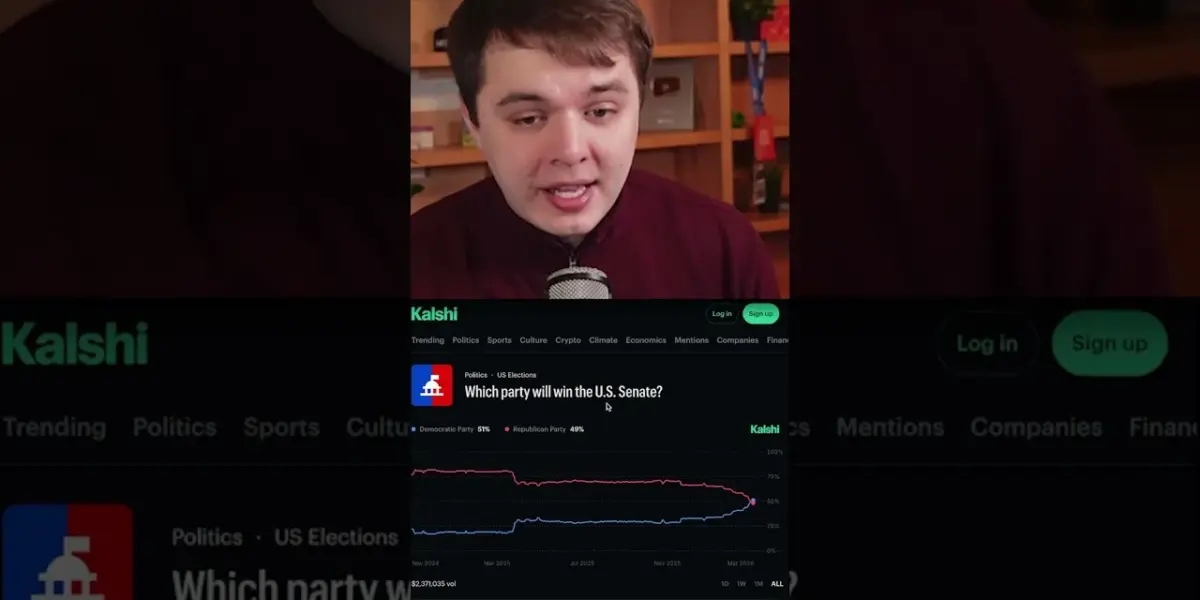
Gas Prices Surge, Democrats Gain Senate Edge: A Political Tipping Point?
The recent surge in gas prices, with a notable $1 increase in just a few weeks, has become a potent symbol in the ongoing political discourse. This price hike, juxtaposed with nostalgia for lower fuel costs and the era of ‘mean tweets,’ has ignited a debate about economic stewardship and the direction of the nation. While some yearn for a return to perceived past stability under Donald Trump, data suggests a shifting political landscape, with Democrats potentially gaining an edge in the Senate.
The Echoes of $1.79 Gas and ‘Mean Tweets’
The sentiment expressed – a longing for gas prices at $1.79 a gallon and the era of ‘mean tweets’ – encapsulates a specific voter frustration. It speaks to a desire for economic predictability and a certain style of political communication that, for some, represented strength and directness. This nostalgia, often amplified in online spaces, is a powerful undercurrent in electoral politics, tapping into economic anxieties and a yearning for a perceived simpler time. The phrase ‘Trump save America again 2024’ clearly articulates this sentiment, framing a potential future presidential bid as a solution to current woes.
Economic Headwinds and Political Ramifications
However, the immediate economic reality presents a stark contrast. The transcript highlights a significant spike in gas prices over the past 12 months, with a substantial jump in recent weeks. This economic pressure is directly linked by the speaker to the actions and policies associated with Donald Trump, specifically citing ‘his wars’ and ‘mean tweets continuing to escalate those wars’ as detrimental to the United States. This perspective argues that the current economic climate is a direct consequence of past leadership, creating a negative feedback loop that impacts national interests and the economy.
Shifting Sands in the Senate: Prediction Markets Eye a Democratic Edge
The economic pressures and the prevailing political narrative appear to be influencing electoral forecasts. The transcript points to prediction markets, specifically mentioning Khi, as indicators of a changing political tide. For the first time, Democrats are shown to have an edge in the Senate, a significant departure from a year ago when Republicans were considered almost certain to win. While acknowledging that prediction markets are not infallible, the shift is presented as a notable development. The speaker suggests that continued hard work by Democrats, coupled with potential missteps by Donald Trump – metaphorically referred to as ‘stepping on the rake’ – could solidify this advantage and lead to a Democratic victory.
Historical Context: The Interplay of Economy and Elections
The relationship between economic conditions, particularly the price of essential goods like gasoline, and electoral outcomes is well-documented. Historically, periods of economic hardship or rising inflation have often led to shifts in voter sentiment and, consequently, in election results. The energy sector, in particular, is highly sensitive to geopolitical events and policy decisions, making gas prices a visible and relatable indicator of economic health for many voters. Periods of high gas prices have, in the past, been a significant factor in incumbent party performance, sometimes contributing to significant electoral losses.
The Role of Leadership and Communication
The transcript touches upon the dual impact of leadership style and policy decisions. The nostalgia for ‘mean tweets’ suggests that for a segment of the electorate, a more abrasive or unconventional communication style is not a deterrent, but perhaps even a draw. Conversely, the critique linking these tweets to escalating ‘wars’ and negative economic consequences presents a different perspective on the effectiveness and impact of such communication. This highlights a key division in voter perception: whether a leader’s communication style is a distraction or a symptom of underlying policy failures and international entanglements.
Why This Matters
The current political climate, as depicted in this analysis, is at a critical juncture. The rising cost of living, symbolized by soaring gas prices, directly impacts the daily lives of most citizens. This economic discomfort is a powerful motivator for voters and can significantly influence their choices at the ballot box. The potential shift in Senate control, if it materializes, would have profound implications for legislative agendas, judicial appointments, and the overall direction of national policy for years to come. It underscores the dynamic nature of public opinion and the responsiveness of the electorate to tangible economic factors, even amidst strong ideological currents.
Implications, Trends, and Future Outlook
The trend indicated by the prediction markets suggests a potential recalibration of voter priorities. While issues like political rhetoric and party loyalty remain important, the immediate economic concerns appear to be gaining prominence. If this trend continues, it could signal a move towards a more pragmatic electorate, one that weighs economic stability heavily in its voting decisions. For the Republican party, the challenge will be to address voter anxieties about the economy without alienating core supporters who may still be drawn to Trump’s populist appeal. For Democrats, the opportunity lies in capitalizing on economic discontent while demonstrating a clear path to alleviating these pressures. The upcoming electoral cycles will be a crucial test of whether voters prioritize a return to a perceived past or a more immediate focus on current economic relief and future stability.
Conclusion: A Nation at a Crossroads
The confluence of rising gas prices and shifting Senate predictions paints a picture of a nation grappling with economic realities and re-evaluating its political leadership. The desire for past economic conditions, while potent, is being challenged by present-day financial pressures. The coming months will likely see intensified political maneuvering as both parties attempt to harness these sentiments and translate them into electoral advantage. The outcome will not only determine the control of the Senate but also offer insights into the enduring factors that shape American political sentiment in an increasingly complex world.
Source: DEMS TAKE THE LEAD! #new #fyp (YouTube)

Related Articles
House Republicans Reject Senate Deal, Sparking Government Funding Clash
House Republicans have rejected a Senate bill to end the government shutdown, citing insufficient border security measures. Congressman Randy Fine called the Senate deal a "disgrace" and highlighted the ongoing fight for full government funding. President Trump's executive order to pay TSA agents offers temporary relief, but the core disagreement over border security continues to paralyze Washington.

Voter ID: Common Sense or Suppression?
A growing debate surrounds voter ID laws, with proponents calling them a common-sense measure against fraud and opponents fearing voter suppression. Many countries and U.S. states already require ID to vote.


MAGA Voters Divided Over Potential Iran War
The potential for a US war with Iran has sparked debate at CPAC, revealing a divided MAGA base. While some support military action, many express concerns over prolonged conflicts and rising economic costs, particularly higher gas prices.