Gas Prices May Fall Soon, Energy Secretary Says
Energy Secretary Chris Wright expressed optimism about potential relief from high gas prices, stating a "good chance" of prices falling after a current conflict concludes. He detailed efforts to stabilize global energy markets and reopen the Strait of Hormuz, emphasizing a long-term goal of more affordable and secure energy supplies.

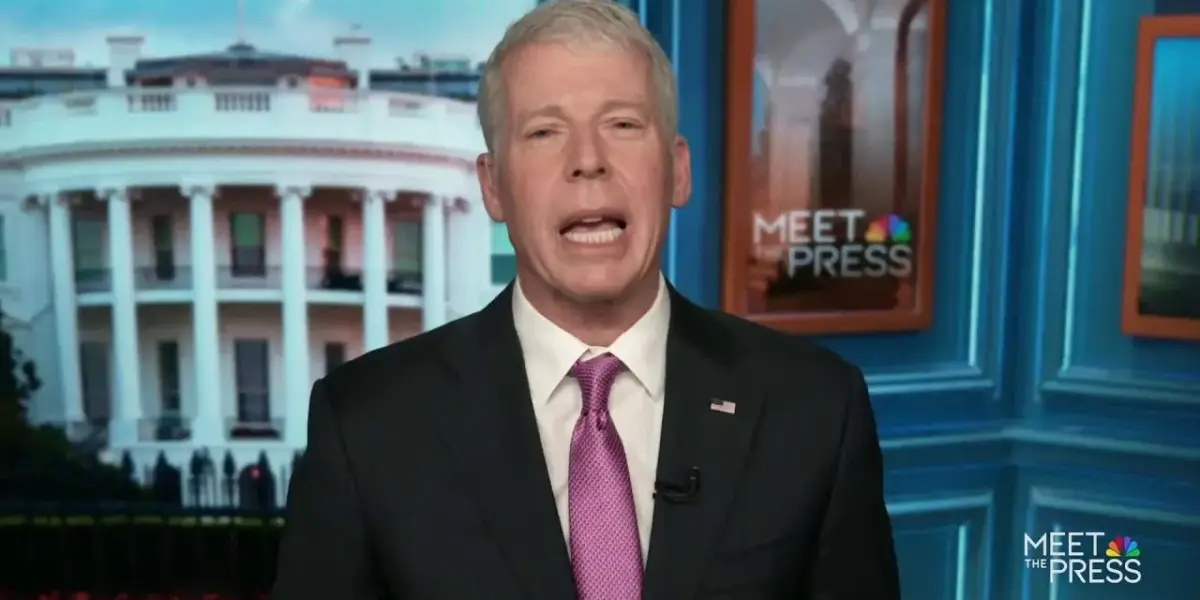
Energy Secretary Cites “Good Chance” of Lower Gas Prices Post-Conflict
Americans grappling with elevated gasoline and diesel prices may soon see relief, according to Energy Secretary Chris Wright. In a recent interview, Secretary Wright stated there is a “very good chance” that gas prices will decrease after the conclusion of a current conflict, though he cautioned that “there’s no guarantees in war.” The national price for gasoline has surged 24% and diesel prices 32% since the conflict began, significantly impacting consumers nationwide.
Conflict Resolution and Energy Market Stabilization
Secretary Wright indicated that the conflict is expected to last for “a few more weeks,” with the administration’s goal being the complete neutralization of Iran’s military capabilities. He elaborated that the initial phase focused on dismantling Iran’s long-range power projection, including its navy, air force, and long-range missile systems. The ongoing efforts are now targeting shorter-term threats like short-range missiles and drones.
“After the conflict is over you’ll start to see prices come back down,” Secretary Wright affirmed. He emphasized that the current military actions are crucial for global energy security, stating, “At the end, we will have removed the greatest risk to global energy supplies. We’ll go to a world more abundant in energy, more affordable in energy and less risky for American soldiers and commerce in the Middle East.”
Strait of Hormuz: A Critical Chokepoint
The Strait of Hormuz, a vital waterway for global energy transport, has been significantly impacted by the conflict, with shipping traffic slowing to a trickle. Secretary Wright confirmed that the strait is “not safe for shipping right now” and that reopening it is a key objective post-conflict. Iran has been impeding the flow of energy through the strait, which directly affects numerous nations, particularly in Asia.
“The whole world would be united in opening the Strait of Hormuz, and we will have the support of other nations to achieve that objective,” Secretary Wright stated, acknowledging the critical importance of this passage for countries like Japan, Korea, China, Thailand, and India, which rely heavily on it for their energy supply. He also noted that the United States is in dialogue with China regarding the security of the waterway, highlighting its importance to the global economy.
Mitigating Price Hikes and Addressing Concerns
In response to potential price spikes, the administration has taken several measures to mitigate the impact on consumers. Secretary Wright pointed to a coordinated release of 400 million barrels of oil with over 30 participating nations, as well as assistance from Middle Eastern allies who moved oil overseas before the conflict. Additionally, new oil production has been initiated in California, a move aimed at increasing domestic supply.
Addressing concerns about the U.S. economy benefiting from higher oil prices, Secretary Wright reiterated the administration’s commitment to lower energy costs for consumers. He explained that while the U.S., as a large oil producer, benefits economically from higher prices, the primary focus remains on ensuring affordability for Americans. “This President has been committed to low gasoline prices, low diesel prices, low travel prices and he ran on that agenda and worked for it in his first administration,” he asserted.
Sanctions Relief and Diplomatic Engagements
The interview also touched upon the temporary lifting of sanctions on Russian oil. Secretary Wright clarified that this measure pertains to oil already en route to a Chinese port, aiming to redirect it to Asian nations to keep their refineries operational and help stabilize prices. He emphasized that this action does not constitute a reward for Russia but rather a strategic move to manage global energy markets.
Regarding the ongoing conflict in Ukraine, Secretary Wright deferred to the President’s remarks on peace negotiations, stating that the administration is deeply committed to finding a resolution to the war. He acknowledged the complexities involved in such negotiations, highlighting the need for agreement between both nations.
Looking Ahead: A More Stable Energy Future
As the conflict nears its anticipated conclusion, the focus remains on stabilizing global energy markets and ensuring the free flow of oil through critical chokepoints like the Strait of Hormuz. Secretary Wright expressed optimism that the actions taken will lead to a more secure and affordable energy future, despite the short-term disruptions. The coming weeks will be critical in observing the actual impact on gas prices and the broader geopolitical landscape.
Source: Energy Sec. Wright says ‘good chance’ but ‘no guarantees’ of cheaper gas soon: Full interview (YouTube)

Related Articles

G7 Leaders Clash Over Trump’s Iran Policy Amidst Global Crisis
World leaders at a G7 meeting voiced sharp criticism of Donald Trump's Iran policy, citing concerns over the Strait of Hormuz and a looming global recession. Disagreements emerged regarding strategy and accusations of misinformation, highlighting deep divisions.


Iran Extends Strait of Hormuz Deadline Amid Global Oil Tensions
The U.S. has granted Iran a 10-day extension to reopen the Strait of Hormuz, a critical global oil route. This move comes amid complex negotiations, military actions, and concerns over Iran's strategic leverage and resilience. Lawmakers express frustration over the lack of a clear strategy and potential escalation.


Iran: Regime’s Tactics Shift Global Power Dynamics
Iran's regime is employing strategic tactics, including control of the Strait of Hormuz, to counter U.S. military might. Meanwhile, a U.S. government shutdown paralyzes domestic services, highlighting deep political divisions. These geopolitical shifts, alongside profound personal tragedies, signal a turbulent global landscape.