Gas Prices Could Plummet to $50 a Barrel
Economists predict a sharp decline in oil prices, potentially reaching $50 a barrel within months, which could lower gasoline costs to below $3 per gallon. This outlook is based on historical trends and potential de-escalation of geopolitical tensions.


Oil Prices Poised for Sharp Decline, Experts Say
Americans are feeling the pinch at the pump, with gasoline prices hitting $4 a gallon nationwide. But some economists believe relief is on the horizon, predicting a significant drop in oil prices within months.
Art Lafferty, Chairman of Lafferty Associates and a former Reagan economist, suggests that if the U.S. withdraws from current international situations, the price of oil could fall dramatically. He pointed to the Reagan administration’s success in lowering oil prices from $178 a barrel (in today’s dollars) to $35 within four to five years through decontrol policies.
“If he pulls out of there, we have achieved our objective, no nuclear weapons for Iran,” Lafferty stated, referencing a potential withdrawal from a geopolitical situation. “We don’t care about the Strait of Hormuz. I love it he said that. I hope he pulls out and we get out of there, we have done our mission, and let’s go home. Watch the price of oil drop.”
Lafferty believes that with a resolution to current conflicts and the continuation of decontrol policies, oil prices could soon tumble. He anticipates that the U.S. could see prices fall to $50 a barrel within the next few months. This would translate to gasoline prices below $3 a gallon.
Historical Trends Show Steep Drops
Steve Moore, a senior fellow, agrees with Lafferty’s outlook, citing analysis of oil prices over the last 50 years. “When the price comes down, it really comes down. You see a waterfall happening,” Moore explained.
Moore emphasized the importance of allowing the free enterprise system to work, warning against policies like oil price controls and windfall profit taxes, which he believes hindered the market in the 1970s. He noted that U.S. oil producers are currently benefiting from higher prices, unlike in previous eras where low prices forced them to consider shutting down operations.
The United States is a leading producer of oil and gas globally. However, the country still imports about 7 million barrels of oil per day to meet its overall needs. This global demand significantly influences the prices Americans pay at the pump.
Inflation and Consumer Anger
Dagen McDowell, a commentator, highlighted how sensitive Americans are to rising gas prices. “Nothing upsets the American people more than a sudden spike in the price of gasoline and fuel,” she stated. She warned that this anger could influence voting patterns.
Moore acknowledged the public’s frustration but put current price increases into historical context. While inflation has risen, he noted that incomes have also increased significantly over the past 40 years. He pointed out that the price of oil has not risen as much as other essential costs like healthcare, housing, and education.
“I understand, people are angry about you are right, people are angry about grocery prices and oil prices. But I am here to tell you, I think when this is over with we’ll see a nice big reduction in the prices like under Reagan,” Moore reassured.
Geopolitical Factors and Future Outlook
Lafferty also addressed concerns about the Strait of Hormuz, suggesting that a de-escalation of tensions could remove a significant “risk premium” from oil prices. He recalled a time when a different Iranian regime used missiles against tankers, but believes the current situation, without nuclear weapons, is less volatile.
“I think that it LTD be lower in 6 months. I don’t think that U.S. needs 74 battleships all day aimed at Tehran. It will come back to normalcy,” Lafferty predicted.
He also expressed frustration with European allies for not contributing more to ensuring oil transport security. The consensus among the analysts is that geopolitical stability and the removal of artificial market controls are key to bringing down oil and gas prices for American consumers.
Market Impact
The potential for oil prices to fall to $50 a barrel could significantly impact various sectors. Lower energy costs would reduce operating expenses for transportation, manufacturing, and agriculture companies. This could lead to lower prices for consumers on a wide range of goods.
For investors, a sustained drop in oil prices might mean lower profits for energy companies. However, it could boost companies in sectors that are heavy energy consumers, such as airlines and trucking. The broader market could see a positive effect as consumer spending power increases with lower fuel costs.
What Investors Should Know
Investors should monitor geopolitical developments, especially those impacting major oil-producing regions. Government policies on energy production and trade also play a crucial role. While the current high prices are a concern for consumers, the historical data and expert analysis suggest that a significant price correction could be underway. This presents both risks and opportunities for those looking to invest in the energy sector and related industries.
Source: Nothing upsets Americans more than THIS: Dagen McDowell (YouTube)

Related Articles


US Jet Downed in Iran; Rescue Mission Under Fire
A U.S. fighter jet was shot down by Iranian forces, sparking a dangerous search and rescue mission under fire. One airman was rescued, but another remains missing. Meanwhile, the economic impact of the conflict is being felt at home with rising prices and new surcharges on goods and services.

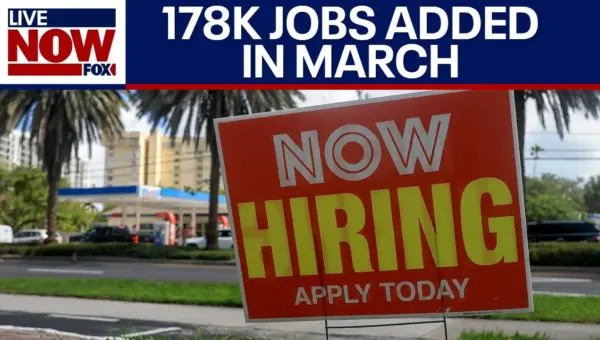
Jobs Surge in March, But Inflation Fears Loom Large
The U.S. economy added a robust 178,000 jobs in March, significantly exceeding expectations and signaling a strong rebound in hiring. However, this positive news is tempered by concerns over rising inflation and the economic impact of ongoing geopolitical conflicts, which could affect future job growth and consumer spending.


Walmart’s Stock Surge Signals Looming Recession Threat
An unusual economic indicator, the Walmart Recession Signal, is flashing a warning. When Walmart's stock rises and luxury goods stocks fall, it has accurately predicted the last three U.S. recessions. This pattern is happening now, suggesting potential economic trouble ahead.