Gas Price Surge Sparks White House Panic Amidst Economic Woes
Soaring gas prices, fueled by geopolitical tensions, are causing panic in the White House. The administration's focus appears to be on poll numbers rather than alleviating consumer pain, as economic woes mount.

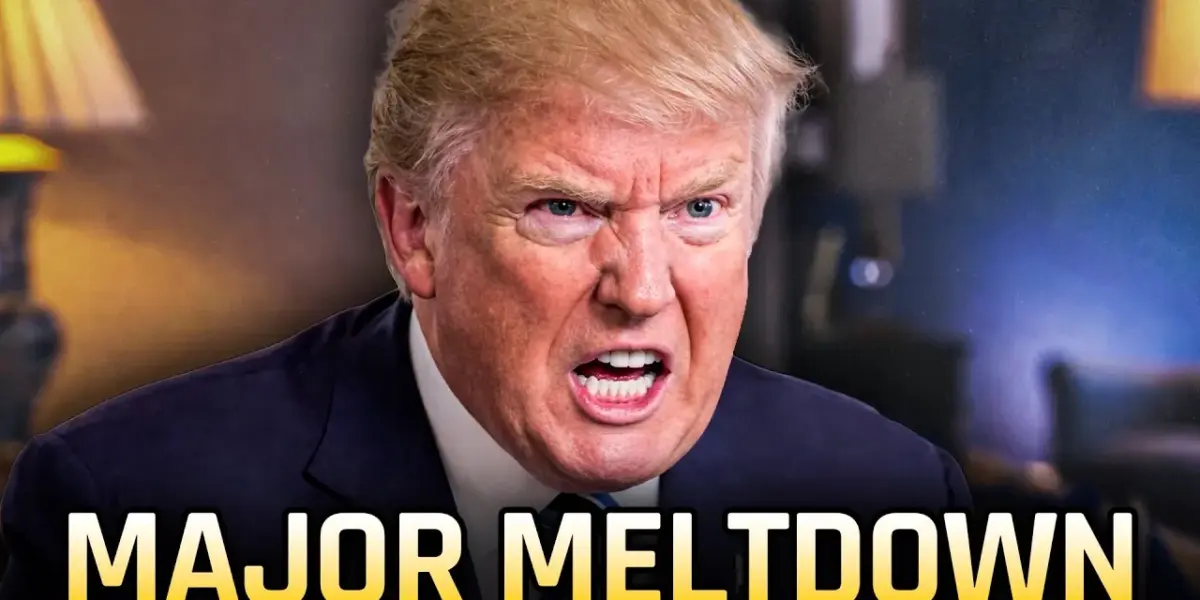
Gas Price Surge Sparks White House Panic Amidst Economic Woes
The United States is grappling with a sudden and sharp escalation in gasoline prices, a development that has sent shockwaves through the economy and ignited significant concern within the highest echelons of the White House. Overnight surges of up to 10% in the national average price of gasoline have been observed, leaving consumers reeling and prompting a high-level, albeit self-interested, response from the administration.
The Hormuz Factor and Supply Chain Disruptions
The immediate catalyst for this dramatic price increase is widely attributed to heightened tensions and attacks targeting Iran, a major oil-producing nation. A significant portion of the world’s crude oil supply transits through the Strait of Hormuz. Reports indicate that this critical chokepoint has faced severe disruptions, leading to interruptions in global supply chains. While the Strait may have seen partial reopening, the flow of oil has not returned to pre-incident levels. This scarcity empowers oil companies to significantly increase prices, a move that has drawn considerable ire.
The Paradox of Pricing: Paying for Future Increases Today
A particularly galling aspect of the current situation is the way gasoline prices are being adjusted. Consumers are facing higher prices for fuel that, in many cases, was produced and refined weeks or even months ago, before the recent crude oil price hikes. Unlike many other industries where price increases are applied to goods produced under the new, higher cost conditions, the energy sector appears to be passing on anticipated future costs immediately. This practice, where consumers pay more for products not yet subjected to the increased production costs, is a source of significant frustration and is seen as a deviation from typical market behavior.
Trump’s Shifting Narrative and Political Vulnerability
For Donald Trump, the soaring gas prices represent a significant political liability. Throughout his term, Trump frequently pointed to declining gas prices as a key achievement, often attributing the decreases to his administration’s policies, despite evidence suggesting global market forces were the primary drivers. Now, with prices climbing rapidly—including the largest single-day increase in over four years—this one area where he could claim a positive economic narrative has evaporated. This reversal places him in a precarious position, as rising fuel costs have historically been a potent motivator for voter discontent.
The White House’s Internal Turmoil
The escalating gas prices are not just an economic issue; they are a political crisis for the administration. The transcript highlights a reported secret meeting involving Chief of Staff Susie Wilds, underscoring the level of anxiety within the White House. The concern stems from the predictable voter backlash that accompanies higher prices at the pump. It is noted that voters often react more strongly to gas price increases than to rising food costs, a phenomenon the administration finds perplexing but politically significant. The ripple effect of higher fuel prices is also expected to exacerbate inflation across the board, as transportation costs for goods, including food, inevitably rise.
A Perfect Storm of Economic Hardship
The current economic landscape is characterized by a confluence of negative factors. Beyond the surge in gasoline prices, a recent labor report indicated a loss of 92,000 jobs. This means fewer people are earning income, while the cost of essential goods and services, including fuel, is increasing. This combination of reduced earning potential and heightened living expenses paints a grim picture for many American households. The situation is described as dire, with the current financial state of the country being an understatement of the true hardship faced by citizens.
Administration’s Response: A Focus on Polls, Not People
The analysis suggests that the panic within the White House is not driven by genuine concern for the economic well-being of the American public. Instead, the urgency appears to stem from a fear of declining poll numbers and the potential electoral consequences. The transcript posits that the administration’s focus is on how these economic woes will affect them politically, rather than on implementing substantive solutions to alleviate the suffering of voters. The insulated nature of those in power, whether due to wealth or position, is cited as a reason for a perceived lack of empathy towards the struggles of ordinary citizens. Their anxiety is framed as a reaction to a threat to their own political standing, rather than a compassionate response to public hardship.
Lack of Policy Solutions and Future Outlook
A critical observation is the apparent absence of concrete plans or innovative solutions from the administration to address the multifaceted economic challenges. The current leadership is characterized as lacking foresight and effective strategies, leading to a feeling of helplessness and a continuation of the negative trends. The future outlook, therefore, appears challenging, with the potential for further price hikes and continued economic strain on households, all while the political apparatus grapples with the fallout.
Why This Matters
The current spike in gas prices is more than just an inconvenience; it is a stark indicator of the delicate balance of global politics and its direct impact on everyday American lives. The situation underscores how geopolitical events, particularly in volatile regions like the Middle East, can have immediate and severe economic repercussions domestically. Furthermore, it highlights the cyclical nature of economic anxieties and their potent influence on political sentiment and electoral outcomes. The administration’s response, or perceived lack thereof, in the face of such a crisis reveals much about its priorities and its connection to the electorate. The disconnect between the struggles of ordinary citizens and the administration’s self-preservation instincts raises fundamental questions about governance and accountability.
Implications, Trends, and Future Outlook
The implications of this gas price surge are far-reaching. It signals a potential return to an era of higher energy costs, which can dampen consumer spending, increase inflation, and slow economic growth. The trend of geopolitical instability directly impacting energy markets is likely to continue, making energy security and diversified supply chains increasingly critical. The future outlook suggests that consumers may need to brace for sustained periods of higher prices, and policymakers will face immense pressure to find solutions that balance economic stability with geopolitical realities. The administration’s ability to navigate this crisis will undoubtedly be a defining factor in its political future.
Historical Context
The United States has a long history of experiencing economic volatility tied to energy prices. The oil crises of the 1970s, for instance, demonstrated the profound impact that disruptions in oil supply and sharp price increases could have on the national economy and public mood. These historical events have shaped energy policy, spurred innovation in fuel efficiency and alternative energy sources, and underscored the vulnerability of economies heavily reliant on fossil fuels. The current situation, while distinct in its specific triggers, echoes these past challenges, reminding us that energy prices remain a critical and often politically charged component of the economic landscape.
Source: Trump Is FREAKING OUT About Soaring Gas Prices (YouTube)

Related Articles


Iran’s New Leader Wounded Amidst Escalating War and Sleeper Cell Fears
Iran's new Supreme Leader, Mostafa Kamani, has reportedly been critically wounded, sparking fears of internal instability and external intervention. Simultaneously, intelligence suggests Iranian sleeper cells may be activating, while Iran's firing on NATO forces escalates the conflict to a new, dangerous phase.

Iran Conflict: Military Success Masks Diplomatic Uncertainty
Retired General Barry McCaffrey assesses the remarkable military successes against Iran, including air dominance, but warns of significant diplomatic challenges ahead. The effectiveness of advanced technology in warfare is contrasted with the uncertain political endgame and potential for Iranian economic pressure and terrorism.

Iran’s Pain Strategy: How Gas Prices Could Sink Trump’s Election Hopes
Iran's strategy to inflict maximum pain on the US through economic disruption, particularly rising gas prices, could significantly impact Donald Trump's political future. This analysis delves into Iran's calculated approach to deterrence and the broader regional implications.