Gabbard Dodges Trump’s Iran ‘Threat’ Claims in Hearings
Director of National Intelligence Tulsi Gabbard faced scrutiny for not directly confirming President Trump's claims about an imminent threat from Iran during recent congressional hearings. Her evasive answers and focus on context led to questions about the role of intelligence officials when their assessments differ from presidential statements.

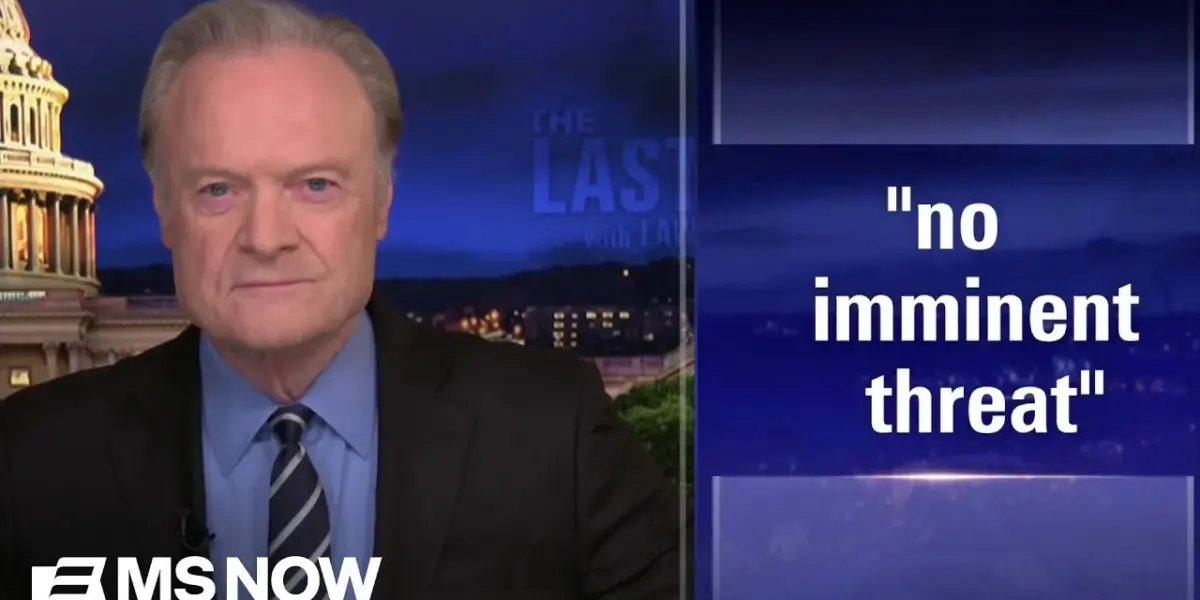
Gabbard Avoids Direct Answer on Iran Threat
During recent congressional hearings on worldwide threats, Director of National Intelligence Tulsi Gabbard faced tough questions regarding President Donald Trump’s claims about Iran posing an imminent threat to the United States. Gabbard repeatedly sidestepped direct confirmation of Trump’s assertion that Iran was weeks away from developing a nuclear weapon. This stance drew criticism, as it appeared to contradict the President’s public statements and the very purpose of a threat assessment hearing.
Questions on Job Function Arise
When asked directly if Iran was an imminent threat, Gabbard stated that context matters and that she stands by the intelligence community’s complete assessment. She explained that while Iran might have the capability to build a weapon, the assessment also includes delivery capabilities and intentions. When pressed on whether she agreed with previous statements that Iran was not building a nuclear weapon, Gabbard deflected, saying the Director of the CIA, John Ratcliffe, could speak for himself.
This exchange led to frustration among some lawmakers. Congressman Jimmy Gomez questioned the role of intelligence officials if the President could ignore their assessments. “If the President can determine and ignore what you’re doing, why do you guys even have a job?” he asked, highlighting the perceived disconnect between intelligence findings and presidential pronouncements.
Contrasting Statements and Resignations
The hearings highlighted a significant divergence. While Trump publicly declared Iran an imminent threat, his intelligence chiefs, including Gabbard and CIA Director John Ratcliffe, avoided using that specific language. This avoidance occurred even as other officials, like Trump’s FBI Director and Director of National Intelligence, who are not Christian, were reportedly excluded from prayers for the war effort, as described by a commentator in the original transcript.
Adding to the controversy, the transcript mentions the resignation of Gabbard’s deputy, Joe Kent. Kent reportedly resigned because he believed everything Trump had said about the Iran threat was correct. The refusal of Gabbard and Ratcliffe to publicly echo Trump’s claims, despite the potential for political fallout, became a central theme of the hearings.
Strait of Hormuz Debate
The discussion also touched upon the Strait of Hormuz, a vital waterway for global oil transport. Trump had suggested the U.S. could easily reopen the strait if necessary. However, Gabbard countered this, stating that Iran still possesses the means to threaten passage through the Strait of Hormuz. She also indicated that Trump’s assertion about easily reopening it was inaccurate, suggesting it requires more than just U.S. military power.
North Korea vs. Iran Threat Assessment
Another point of contention involved comparing threats from North Korea and Iran. Gabbard confirmed that North Korea possesses intercontinental ballistic missiles capable of reaching the U.S. homeland. In contrast, the Defense Department had previously estimated Iran was at least ten years away from achieving such a capability. When asked which posed a more serious threat, Gabbard reiterated that threats are assessed within the total context of intelligence reporting, emphasizing the importance of delivery capability and intent, not just the potential to build a weapon.
Imminent Threat Definition Disputed
The core of the disagreement revolved around the definition of an “imminent threat.” Gabbard suggested that imminence would involve actions like mobilizing troops or preparing for an attack, and that current intelligence did not indicate such preparations by Iran. This practical definition contrasted with the more generalized, politically charged pronouncements from the President, leaving many to question the administration’s messaging and the role of intelligence in shaping public perception of foreign policy threats.
Looking Ahead
The proceedings have intensified scrutiny on how intelligence assessments are communicated and whether they align with presidential rhetoric. The public’s perception of threats from countries like Iran is heavily influenced by these statements. Future congressional hearings and statements from the intelligence community will be closely watched to see if a clearer consensus emerges on threat assessments and their divergence from political messaging.
Source: Lawrence: Tulsi Gabbard again refuses to admit Trump lied about an ‘imminent threat’ in Iran (YouTube)

Related Articles

Tiger Woods DUI Arrest Sparks Political Ripples
Golf legend Tiger Woods was arrested for DUI in Florida after a rollover crash, showing signs of impairment not related to alcohol. President Trump commented on the incident, noting a personal connection through Woods' girlfriend.


CPAC Crowd’s Boos Reveal GOP’s Deep Divide
A moment at CPAC where the crowd booed impeachment hearings reveals deep divisions within the Republican party. Younger supporters are concerned the GOP base is crumbling due to issues like the Iran war, gas prices, and other controversies.

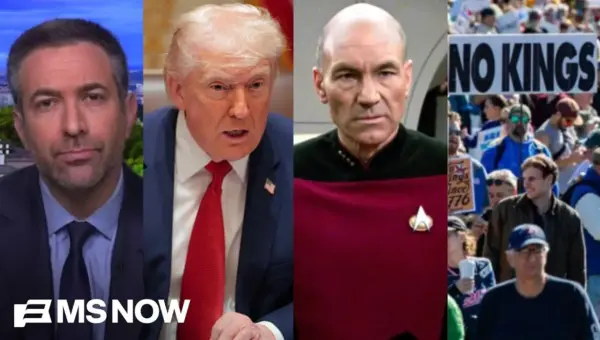
Mass Protests Erupt as Trump Approval Plummets
Thousands of 'No Kings' rallies are scheduled nationwide, protesting perceived autocratic actions by Donald Trump. As Trump's approval ratings fall, concerns grow over his challenges to democratic norms and the rule of law.