Furniture Industry Faces Tariff Uncertainty
The U.S. furniture industry faces mounting pressure from existing tariffs and the uncertainty of a Supreme Court decision on broader tariff policies. Smaller businesses are particularly vulnerable, with bankruptcies on the rise, while larger companies are consolidating market share.

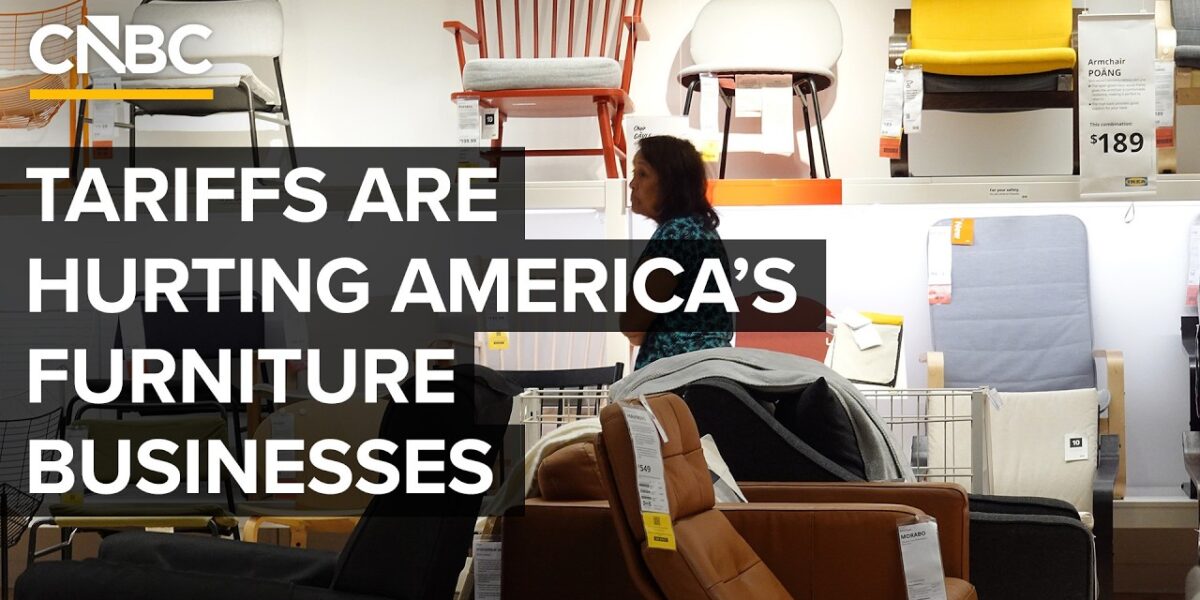
Furniture Industry Navigates Tariff Headwinds Amidst Legal Uncertainty
The U.S. furniture industry is grappling with significant challenges, exacerbated by a complex web of tariffs and looming Supreme Court decisions. While a Supreme Court ruling on reciprocal tariffs invoked under the International Emergency Economic Powers Act (IEEPA) is anticipated soon, its immediate impact on the furniture sector is nuanced. However, the industry, particularly smaller businesses, is already under considerable strain from existing tariffs, with at least 11 furniture companies filing for bankruptcy over the past year. Some of these businesses have been forced to liquidate and cease operations entirely.
The Impact of Existing Tariffs
The tariffs at the heart of the current debate, though not directly part of the upcoming Supreme Court case, have already imposed a 25% levy on imported furniture, including upholstered couches, kitchen cabinets, and vanities, since their imposition in the fall of 2025. The exact tax rate varies by country of origin. These tariffs arrived at a precarious moment for many furniture manufacturers and retailers, who were already navigating a challenging economic landscape.
During the COVID-19 pandemic, the home goods sector experienced a boom, fueled by low interest rates and increased consumer spending. This trend reversed sharply in 2022 as inflation surged and central banks raised interest rates. The subsequent imposition of tariffs added a significant cost burden, proving insurmountable for many smaller companies that lack the financial resilience and operational scale of larger corporations. These smaller entities often do not possess the extensive sourcing teams or deep pockets necessary to quickly pivot their supply chains or absorb escalating costs.
Larger Players Gain Ground
In contrast, larger, publicly traded companies with greater financial margins have been able to weather the storm and even capitalize on the situation. Companies like Ikea reported relatively stable prices and flat revenue in 2025 compared to the previous year, indicating their ability to manage costs and maintain market position. Meanwhile, major players such as Restoration Hardware, Williams-Sonoma, and Wayfair have reported growth in both sales and profit margins over the past year, suggesting they are consolidating market share at the expense of smaller, more vulnerable competitors.
The Supreme Court’s Role and IEEPA Tariffs
The upcoming Supreme Court decision pertains to tariffs imposed under the IEEPA, a law enacted in 1977 that has not been used by previous administrations to levy tariffs. While the specifics of the furniture tariffs are not directly under review, the broader legal challenge to IEEPA-based tariffs could have indirect consequences. If the Supreme Court rules against the administration, the U.S. could be obligated to refund hundreds of billions of dollars. Former President Trump has publicly suggested that such a process would be protracted and immensely difficult.
Justices have expressed skepticism regarding the legality of these tariffs, but the final ruling remains uncertain. The administration’s stated rationale for these taxes is to address trade imbalances and, in the case of furniture tariffs, to stimulate domestic manufacturing. However, the effectiveness of these measures in reigniting U.S. manufacturing remains unclear.
Unpredictability as the Biggest Hurdle
Beyond the direct financial impact, experts highlight unpredictability as a major challenge for the industry. The administration’s shifting stance on tariffs and the ongoing legal battles have created an environment of uncertainty, making long-term business planning exceedingly difficult. This unpredictability is particularly damaging for smaller businesses that rely on stable operating conditions to manage inventory, production, and sourcing.
Analysts anticipate that the ongoing pressures could lead to further consolidation and the failure of more small and independent furniture companies in the coming months and years. The fundamental question facing the industry is not *if* tariffs will cause further harm, but rather the extent of that damage.
Market Impact
The furniture sector is currently experiencing a bifurcation: larger, well-capitalized companies are demonstrating resilience and even growth, while smaller businesses are struggling to survive. The ongoing legal challenges surrounding tariffs add another layer of complexity and risk. Investors may see continued market share gains for major retailers and manufacturers, while the long-term viability of smaller independent players remains in question. The potential for large-scale refunds if the Supreme Court rules against the tariffs could also introduce macroeconomic volatility, although the immediate impact on the furniture industry itself is less direct than the existing import duties.
What Investors Should Know
Investors in the home furnishings and retail sectors should monitor the legal proceedings closely, as well as the financial health of companies within the industry. Companies with diversified supply chains, strong balance sheets, and the ability to adapt to changing cost structures are likely to perform better. The trend of consolidation, where larger firms acquire or outcompete smaller ones, may continue. Furthermore, the broader economic environment, including inflation and interest rates, will continue to play a significant role in consumer demand for big-ticket items like furniture.
Source: How tariffs are pushing America’s furniture industry to the brink (YouTube)

Related Articles

FedEx Leads Tariff Lawsuits: Who Really Pays?
FedEx is leading a new wave of lawsuits against the U.S. government, seeking refunds for Trump-era tariffs. While businesses may recoup costs, consumers are unlikely to see price reductions or reimbursements.

Trump’s SCOTUS Tirade Backfires, Alienating Key Allies
Donald Trump's aggressive attacks on the Supreme Court following a tariff ruling are backfiring, alienating justices and potentially undermining his own legal and political standing. The unprecedented personal assaults are seen as a self-destructive tactic with significant implications for the judiciary's independence.

Bondi’s Court Blunder Could Cost US Billions
A court filing from Pam Bondi's Department of Justice may have committed the U.S. to refunding $170 billion in tariffs. This legal promise was made during challenges to Trump-era tariffs, with the DOJ assuring the court that collected funds would be repaid if the tariffs were overturned.