Furby’s Design Secrets: Why Less Was More
Discover the design philosophy behind the iconic Furby. Learn how the creators intentionally limited its features to avoid appearing 'stupid' and focused on expressive ears, eyes, and a mouth to create a beloved interactive toy.

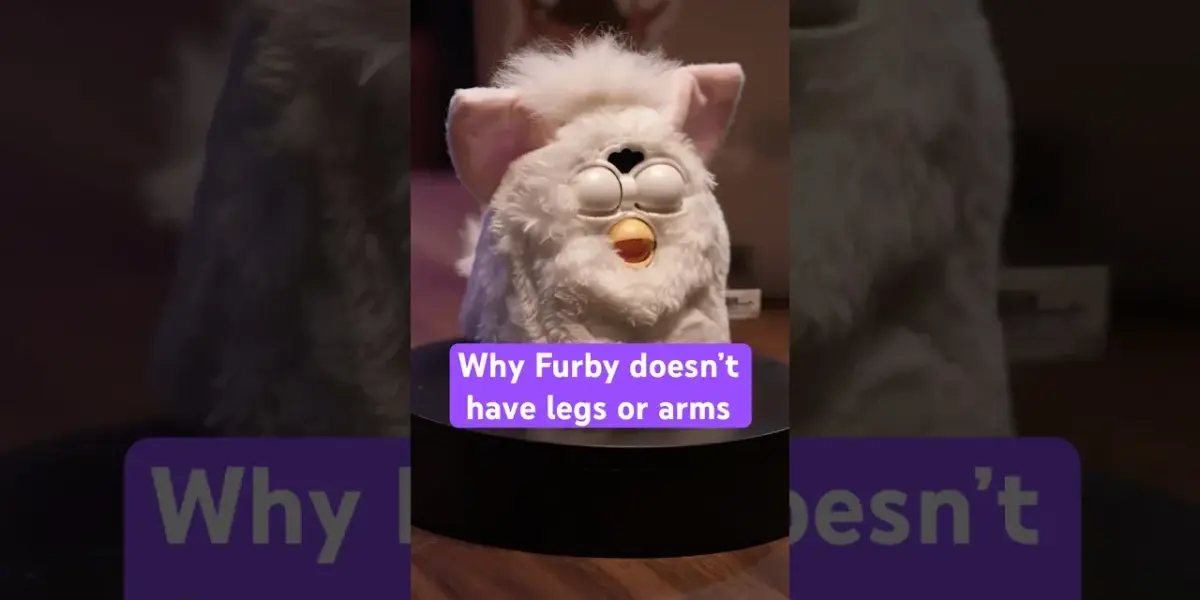
The Philosophy Behind a Toy Icon: Unpacking Furby’s Minimalist Design
In the world of toys, innovation often means adding more features, more complexity, and more bells and whistles. But sometimes, the most groundbreaking approach is to strip things back to their absolute essence. This was the guiding principle behind the creation of Furby, the beloved interactive electronic pet that took the world by storm in the late 1990s. According to research on Dave Hampton, one of the key minds behind Furby, the team deliberately avoided features that would appear “stupid” – not in the sense of being silly, but in the sense of being technologically unfeasible or incomplete.
The ‘Why Can’t It Do This?’ Problem
The core tenet of the Furby design philosophy was to only implement features that could be executed convincingly with the available technology. This led to some seemingly deliberate omissions that, at first glance, might appear to be limitations. For instance, Furby famously lacks hands and legs. The design team recognized that the technology at the time simply wasn’t advanced enough to create realistic or functional appendages. Imagine a Furby with arms that couldn’t grasp anything, or legs that couldn’t walk. The team believed such features would not only be disappointing but would actively detract from the toy’s appeal, making it look “broken” or “underfeatured.”
Stripping Down to Essentials: Ears, Eyes, and Mouth
The decision was made to pare down Furby to its most essential expressive elements. This meant focusing on the parts of the creature that could effectively convey emotion and facilitate communication. The result was a toy that excelled in what it *did* do, rather than being hampered by what it *couldn’t*. The key components that made Furby come alive were:
- Moving Ears: These were crucial for expressing a wide range of emotions, from curiosity to happiness.
- Moving Eyes: The blinking and shifting of Furby’s eyes added a significant layer of personality and responsiveness.
- Moving Mouth: This was the primary tool for communication, allowing Furby to “speak” its unique language, Furbish, and interact with its owner.
By focusing on these three elements, the Furby team achieved an astonishing level of expressiveness and perceived intelligence, all within the technological constraints of its era. This minimalist approach allowed Furby to feel remarkably alive and interactive, creating a deep connection with its owners without needing complex robotics or advanced AI.
The Impact of Intentional Simplicity
The success of Furby serves as a powerful case study in product design. It demonstrates that a deep understanding of user experience and technological capabilities can lead to a more impactful product than simply packing it with every possible feature. The intentional simplicity of Furby allowed its core interactions to shine, making it a memorable and beloved toy for a generation. It’s a testament to the idea that sometimes, less truly is more, especially when that ‘less’ is executed with precision and purpose.
Who Should Care About Furby’s Design?
This minimalist philosophy is relevant not just to toy designers, but to anyone in the tech industry. Developers, engineers, and product managers can learn from Furby’s success. It’s a reminder to:
- Prioritize Core Functionality: Focus on making the essential features work flawlessly.
- Understand Technological Limits: Don’t overpromise or implement features that can’t be delivered effectively.
- Embrace Expressiveness: Find creative ways to convey personality and emotion, even with limited tools.
- Iterate and Refine: Start with a strong foundation and build upon it based on user feedback and technological advancements.
The story of Furby’s design is a fascinating glimpse into the creative process behind a cultural phenomenon. It highlights how thoughtful constraints can actually foster innovation, leading to products that are not only functional but deeply engaging.
Source: Check out the full episode over at @VersionHistoryPodcast. #VersionHistory (YouTube)

Related Articles

Furby’s Flawed Future: A Toy’s Bold, Botched Ambitions
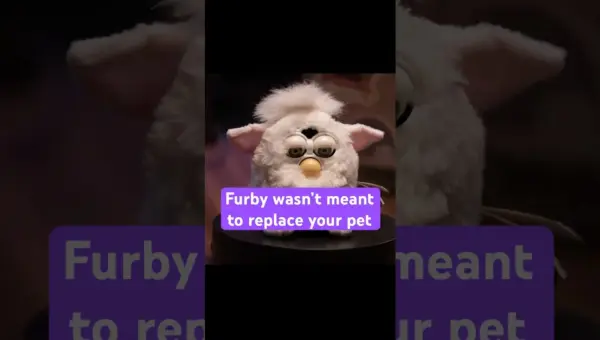
Furby's creator deliberately avoided making it a robot dog or cat, fearing it would be a lesser imitation of real pets. This decision, while admirable, highlights the challenges of replicating familiar experiences with technology, a lesson echoed by early robotic pets like Sony's AIBO.

Furby: The Terrifying Toy That Defined a Generation
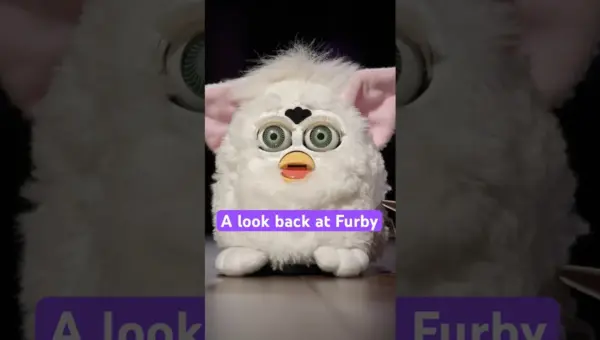
David Pierce explores the peculiar and enduring legacy of Furby on The Verge's "Version History" podcast. This small, furry electronic toy, known for its enigmatic Furbish language and uncanny ability to 'wake up' at night, became a defining gadget of the late 90s.


Robot Revolution Returns: A Look Back at Tech’s Biggest Hits
The new season of 'Version History' dives into groundbreaking tech, from 1998's pioneering robot to the evolution of communication and AI. Premiering March 8th on YouTube, it promises six compelling stories about innovations that shaped our world.