Furby: The Terrifying Toy That Defined a Generation
David Pierce explores the peculiar and enduring legacy of Furby on The Verge's "Version History" podcast. This small, furry electronic toy, known for its enigmatic Furbish language and uncanny ability to 'wake up' at night, became a defining gadget of the late 90s.

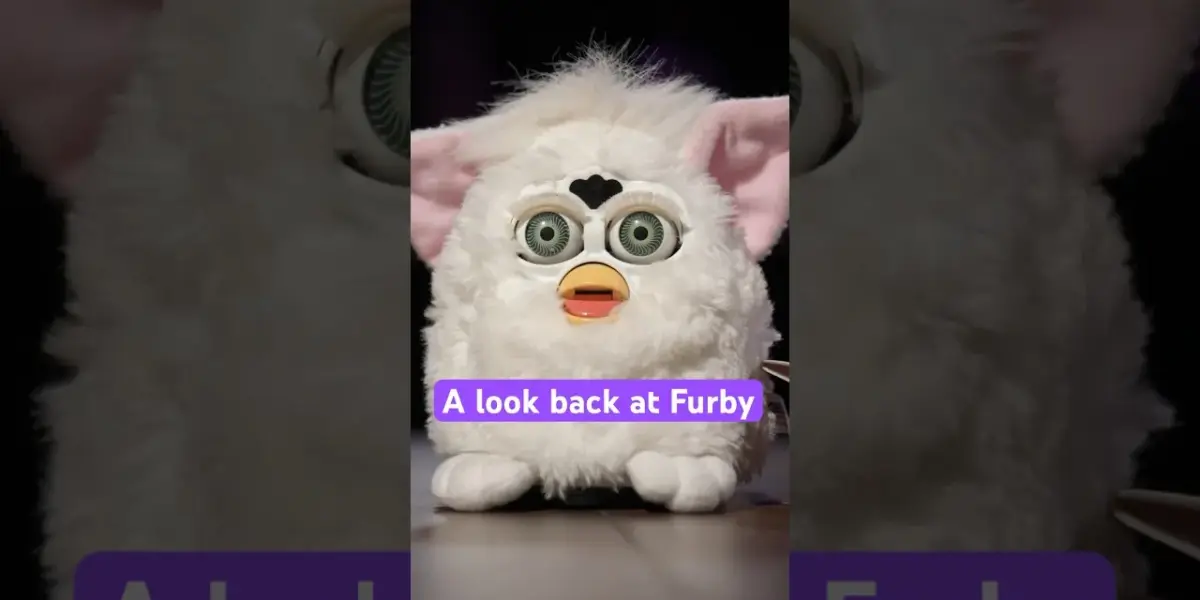
The Unsettling Charm of Furby: A Tech History Deep Dive
In the annals of tech history, few gadgets evoke such a potent mix of nostalgia, terror, and genuine affection as the Furby. This small, furry, and profoundly enigmatic toy, which first stormed the market in 1998, wasn’t just a product; it was a cultural phenomenon. David Pierce, host of The Verge and Vox Media’s “Version History” podcast, delves into the captivating and occasionally terrifying legacy of Furby, exploring why this seemingly simple electronic pet became one of the most iconic toys of its era.
More Than Just a Toy: The Furby Phenomenon
At its core, Furby was an electronic creature designed to interact with its owner. It learned, it grew, and most famously, it spoke – though not in any language humans initially understood. Its proprietary language, “Furbish,” was a deliberate design choice that added to its mystique. Over time, however, Furbies would gradually transition to speaking English, a process that felt like a genuine connection being forged between child and machine.
“It doesn’t do very much. It just kind of makes noises, but it doesn’t make noises that you understand, and you don’t really have any control over them,” Pierce describes, highlighting the initial inscrutability that was key to Furby’s appeal. Yet, he adds with a knowing smile, “It will at some point wake up in the middle of the night and terrify you and everyone you love. It’s small, it’s furry, and I promise you’re going to love it.” This paradoxical description perfectly encapsulates the Furby experience: a blend of uncanny valley creepiness and undeniable cuteness.
Technological Innovation in a Furry Package
Launched by Tiger Electronics in 1998, Furby was a marvel of its time. It featured infrared communication, allowing Furbies to interact with each other, and motion sensors that enabled it to react to being picked up or rocked. Its internal programming allowed for a simulated learning curve, where the toy would supposedly develop its personality and vocabulary based on its interactions. This sense of a living, evolving companion was revolutionary for a toy.
The appeal was undeniable. Demand far outstripped supply during the holiday seasons of 1998 and 1999, leading to widespread shortages and inflated prices on the secondary market. Furbies became the must-have gift, a testament to their innovative design and the marketing genius that positioned them as more than just a plaything, but a pet that could truly become part of the family.
The Legacy and Lingering Questions
The Furby’s impact extended beyond mere sales figures. It played a role in the burgeoning field of human-computer interaction and artificial intelligence, albeit in a rudimentary form. The idea of a device that could learn and adapt, even in a simulated way, was a glimpse into the future of personal technology. The toy also raised questions about privacy and security, particularly with later iterations that could connect to the internet, though these concerns were largely overshadowed by its playful nature.
Pierce’s exploration on “Version History” serves as a reminder of how a product, seemingly simple on the surface, can embody significant technological advancements and cultural shifts. The Furby, with its blinking eyes, flapping ears, and peculiar vocabulary, managed to capture the imagination of millions, becoming a cherished, if sometimes spooky, memory for a generation.
Who Should Care About Furby’s Story?
Anyone interested in the history of consumer electronics, the evolution of interactive toys, or the psychology of what makes a product a hit will find the Furby’s story compelling. It’s a case study in successful product design, marketing, and the creation of a lasting cultural icon. For those who grew up with a Furby, it’s a trip down memory lane, a chance to revisit a toy that was both a comfort and a source of delightful fright.
Specs & Key Features (Original Furby, 1998)
- Type: Electronic robotic toy
- Interaction: Voice, motion sensors, infrared communication (between Furbies)
- “Languages”: Furbish (proprietary), gradually learned English
- Features: Movable eyes, ears, beak; learned responses; simulated personality development
- Power: 4 AA batteries
- Original Release: October 1998
- Manufacturer: Tiger Electronics
The Verdict: A Flawed, Yet Unforgettable Icon
David Pierce’s take on Furby is one of affectionate bewilderment. It’s a toy that defied easy categorization, a piece of technology that was both primitive and pioneering. Its ability to evoke strong emotions – joy, curiosity, and yes, a little bit of fear – is a testament to its unique design. The Furby wasn’t perfect, it wasn’t always understandable, but it was undeniably memorable. It stands as a quirky, furry monument to a specific era of technological innovation and toy design, proving that sometimes, the most impactful products are the ones that are a little bit strange.
Source: Full episode will be available on @VersionHistoryPodcast tomorrow at 8 AM ET! #VersionHistory (YouTube)

Related Articles


Robot Revolution Returns: A Look Back at Tech’s Biggest Hits
The new season of 'Version History' dives into groundbreaking tech, from 1998's pioneering robot to the evolution of communication and AI. Premiering March 8th on YouTube, it promises six compelling stories about innovations that shaped our world.


Robotics Boom Looms: Billions in US Investment Signal New Era
The United States is poised for a significant robotics boom, fueled by billions in government investment and technological advancements. Experts predict a transformative impact on the economy, comparable to the AI revolution, with robots entering manufacturing, defense, and even daily life. Investors are exploring various avenues, from specialized ETFs to AI infrastructure, to capitalize on this emerging sector.


Robots Greet German Chancellor in China Amid Trade Tensions
German Chancellor Friedrich Merz was greeted by dancing and boxing robots in Hangzhou, China, a high-tech display amidst rising trade tensions. The visit highlights China's technological ambitions and the complex economic challenges facing German industry.