Fugitive Alert: Trump Supporter on the Run After Guilty Plea for Threatening Federal Judge and Lawmakers
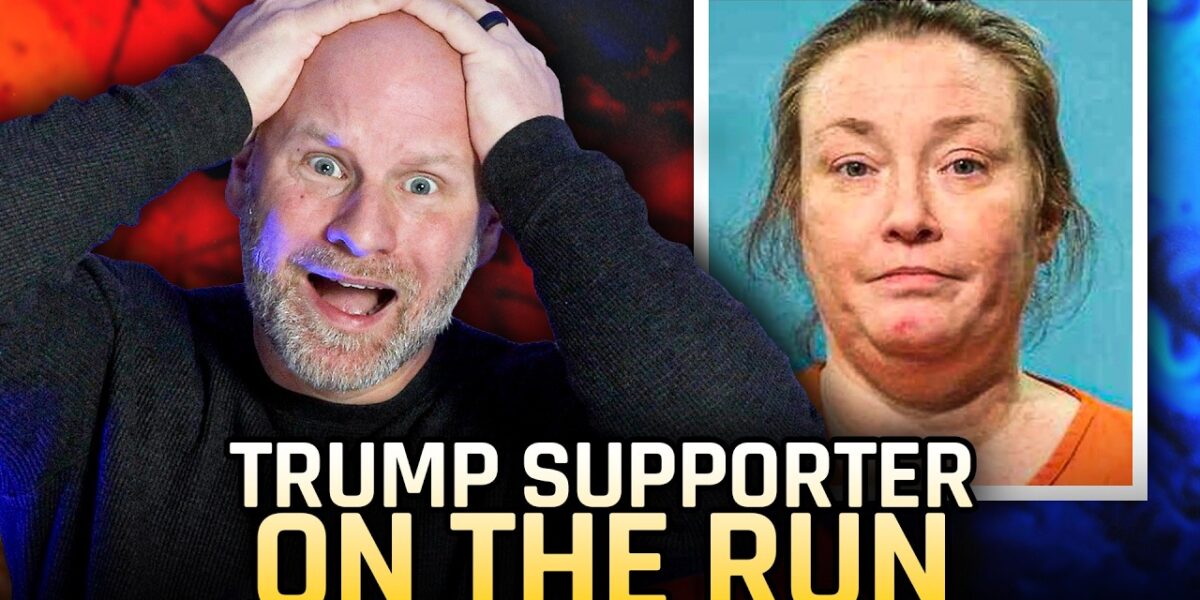
Abigail Shry, a Florida woman who pleaded guilty to threatening federal Judge Tanya Chutkan, Congresswoman Sheila Jackson Lee, and the Texas Capitol, is now a fugitive. After admitting to violent threats, she was controversially granted several months of freedom before her scheduled surrender in February, which she failed to meet. Her disappearance has raised significant public safety concerns and sparked debate over perceived leniency in the justice system.

Fugitive Alert: Trump Supporter on the Run After Guilty Plea for Threatening Federal Judge and Lawmakers
A Florida woman who pleaded guilty in November to a series of alarming threats against a federal judge and prominent Democratic lawmakers is now a fugitive, having failed to surrender to authorities as mandated. Abigail Shry, a self-proclaimed Trump supporter, admitted in court to threatening to kill U.S. District Judge Tanya Chutkan, storm the Texas Capitol with weapons, and personally harm Congresswoman Sheila Jackson Lee and her family. Her current status as a person on the run has ignited significant public safety concerns and raised pointed questions about the leniency shown by the justice system in her case.
The Gravity of the Threats: Targeting Justice and Democracy
Abigail Shry’s guilty plea in November 2023 brought to light a disturbing pattern of politically motivated threats. The most immediate concern stemmed from her threats against U.S. District Judge Tanya Chutkan. These threats were made mere hours after Judge Chutkan was assigned to oversee the high-profile federal election interference case involving former President Donald Trump. Threatening a federal judge is a severe federal offense, punishable by significant prison time, as it directly undermines the integrity and safety of the judiciary, a cornerstone of democratic governance.
Judge Chutkan, appointed by President Barack Obama, has been a central figure in cases related to the January 6th Capitol attack, often issuing tougher sentences than those sought by prosecutors. The timing of Shry’s threat, so closely following Judge Chutkan’s assignment to the Trump case, underscored the highly charged political atmosphere surrounding the legal proceedings and the potential for politically motivated violence against judicial officials.
Beyond the judiciary, Shry also targeted legislative figures and institutions. She threatened to mobilize armed individuals to storm the Texas Capitol if Attorney General Ken Paxton was impeached, stating, "We will take weapons, come to Austin, and annihilate the government." This threat came amidst a contentious period in Texas politics, where Paxton, a Republican, faced impeachment proceedings initiated by the Republican-controlled Texas House of Representatives. While Paxton was ultimately acquitted by the state Senate, Shry’s declaration revealed a willingness to resort to armed insurrection in response to perceived political grievances, echoing sentiments seen during the January 6th Capitol attack.
Furthermore, Shry directed personal and chilling threats at U.S. Representative Sheila Jackson Lee, a long-serving Democratic congresswoman from Texas. Shry explicitly stated, "I’ll kill you," extending the threat to Jackson Lee’s family. Such direct threats against elected officials and their loved ones are not only illegal but also contribute to a climate of fear and intimidation that can deter individuals from public service and erode the foundations of democratic discourse.
An Unconventional Release and a Troubling Escape
Despite the severity of her admitted crimes, which included threatening a federal judge and multiple lawmakers, the federal court system in Florida made an unusual decision following Shry’s guilty plea in November. Instead of immediate detention, Shry was granted a period of freedom, instructed to self-report to prison in February 2024. This leniency allowed her to spend the Thanksgiving and Christmas holidays at liberty, a decision that has since come under intense scrutiny.
Critics argue that granting such a reprieve to an individual who has admitted to violent threats against public officials is an extraordinary measure, particularly given the explicit nature of her intent to cause harm. Standard legal practice often dictates immediate detention or strict bail conditions for individuals who plead guilty to violent crimes, especially those involving threats to national security or public safety. The rationale behind allowing Shry several months of freedom before beginning her sentence remains unclear, but it has now culminated in a significant public safety crisis.
As the February deadline arrived, Abigail Shry failed to surrender to authorities. She is now officially a fugitive, actively sought by law enforcement agencies. Her disappearance from the state of Florida has triggered alarm, as she is a self-admitted violent individual who openly expressed a desire to "kill these Democrats." The fact that she was given the opportunity to evade justice, knowing she faced a substantial prison sentence, is a point of contention for many.
Public Safety Concerns and Broader Implications
The disappearance of Abigail Shry has immediate and pressing public safety implications, particularly for residents of Florida. Law enforcement agencies are now tasked with locating an individual who has demonstrated a clear intent to commit violence against political figures and institutions. The situation underscores the potential dangers when individuals with a history of violent rhetoric and admitted criminal intent are not securely detained.
Beyond the immediate threat, Shry’s case has ignited a broader discussion about perceived disparities and leniency within the American justice system. Commentators have drawn parallels, albeit without specific statistical data from the transcript, to other instances where individuals, particularly those from marginalized communities, face immediate and often prolonged detention for less severe offenses, sometimes without adequate legal representation. The contrast between these scenarios and the freedom granted to Shry before her disappearance has fueled arguments about a "two-tiered justice system" that may appear to favor certain demographics or political affiliations.
The incident also highlights the escalating trend of political violence and threats in the United States. In recent years, there has been a documented rise in threats against elected officials, judges, and government employees across the political spectrum. This environment of heightened animosity and the normalization of violent rhetoric pose a significant threat to the functioning of democracy and the safety of those who serve the public. The case of Abigail Shry serves as a stark reminder of how quickly rhetoric can translate into actionable threats and, in this instance, a dangerous fugitive situation.
The Search Continues
As the search for Abigail Shry intensifies, authorities urge anyone with information regarding her whereabouts to come forward. The incident serves as a critical test for the justice system, not only in apprehending a fugitive but also in addressing the underlying questions about judicial discretion, public safety, and the equitable application of the law. The ongoing situation in Florida underscores the urgent need to address politically motivated threats and ensure that all individuals who admit to such dangerous actions are held accountable without exception.
The circumstances surrounding Abigail Shry’s case – from her explicit threats against pillars of American democracy to the controversial decision allowing her temporary freedom, culminating in her escape – paint a concerning picture. It prompts a re-evaluation of how the justice system manages individuals who pose a clear and present danger, especially in an increasingly polarized political landscape.
Source: Trump Supporter ON THE RUN After Threatening Democrats (YouTube)

Related Articles

Fugitive Found Hiding in Trash Can During Ohio Traffic Stop
A sanitation worker in Ohio made a startling discovery during his rounds, finding a fugitive hiding inside a trash can. The individual had apparently been evading authorities following a traffic stop. The unusual hiding spot led to the fugitive's apprehension.


The Virtual Girlfriend and the Family’s Fatal Downfall
A Florida man's descent into addiction, fueled by a costly obsession with an online virtual girlfriend, ended in the brutal murder of his parents and brother. The case uncovers a family's financial ruin and a desperate, violent act.

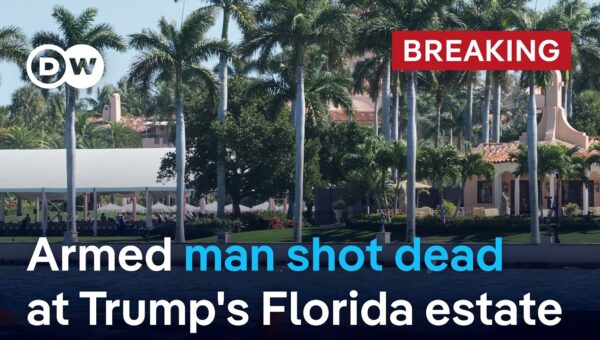
Armed Man Fatally Shot by Secret Service Attempting to Breach Mar-a-Lago
An armed man was fatally shot by the U.S. Secret Service after attempting to breach the security perimeter at Donald Trump's Mar-a-Lago estate in Florida. The suspect, described as a male in his early 20s, was carrying a shotgun and a fuel can. The incident occurred while Donald Trump was in Washington D.C.