Fuel Squeeze Sparks Irish Protests, Global Economic Fears
High diesel fuel prices and heavy taxes have sparked widespread protests in Ireland, crippling farmers and truckers. The crisis highlights global energy vulnerabilities and the potential for economic instability if fuel costs remain unaffordable.

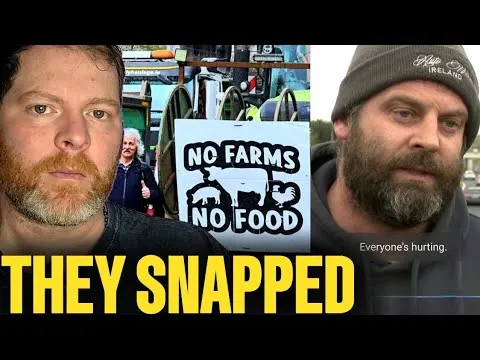
Ireland Gripped by Fuel Cost Crisis, Protests Erupt
Protests are sweeping across Ireland as the price of diesel fuel skyrockets, reaching about €2.18 per liter. This translates to roughly $9.50 per gallon in U.S. dollars. The high cost is crushing farmers, truckers, and everyday citizens, leading to widespread disruptions. Many feel the Irish government isn’t doing enough to help.
Global Energy Shockwaves Felt in Ireland
The root of this crisis is linked to global energy supply issues. While the transcript mentions the shutdown of the Strait of Hormuz due to U.S. actions in Iran, the core problem is the rising cost of fuel worldwide. In the U.S., gas prices average around $4 per gallon, but other nations like Ireland are feeling the pinch much harder. A significant portion of the fuel cost in Ireland, up to 50%, comes from taxes. Even a 20-cent excise cut offered to truckers isn’t enough to ease the burden.
Farmers and Truckers on the Brink
Agricultural contractors are struggling to operate. One contractor explained that filling eight tractors now costs significantly more, forcing them to leave some equipment idle. “We’re going to go bust,” they stated, highlighting the unsustainable nature of current fuel prices. For many, the choice is between staying home and losing their business or driving and losing money.
Truckers face similar challenges. Owner-operators, who often run on thin profit margins, are hit hardest. The cost of fuel is their biggest expense. For some, the situation is so dire that they face going out of business within weeks. “I’m gone in a couple of weeks. I can’t carry it anymore,” one trucker shared, illustrating the urgency of the crisis.
The Impact on Livelihoods
The rising fuel costs don’t just affect businesses; they threaten entire livelihoods. Farmers worry about next year’s crops if they can’t afford to operate now. Truckers, whose jobs are often a stable career choice for working-class families, are finding their profession increasingly difficult and financially unviable. This crisis is not unique to Ireland; similar struggles are being seen in Canada, Mexico, and other parts of the world.
Government Response and Public Frustration
The Irish government has acknowledged the protests but maintains that they are disruptive and should be conducted within the law. Officials like Michael Martin have criticized the aggressive nature of some demonstrations. However, the public’s main demand remains clear: reduce the high fuel taxes. Many believe that simply removing the fuel tax would alleviate the pressure on businesses and allow them to recover.
Global Implications: A Warning Sign
This situation in Ireland is seen by some as a sign of things to come globally. As fuel and energy become more scarce and expensive, communities may be forced to unite for survival. The transcript suggests that the current global energy challenges, possibly exacerbated by geopolitical tensions and U.S. foreign policy, are creating a ripple effect worldwide. This includes potential impacts on food availability, as seen in regions like India where cooking fuel is scarce, and historical examples like Cuba facing fuel blockades.
Why This Reshapes the World Order
The Irish fuel crisis highlights a critical vulnerability in the global economy: dependence on affordable energy. When fuel costs become prohibitive, it doesn’t just impact transportation; it affects food production, supply chains, and the ability of people to work and live. This can lead to widespread economic slowdown, job losses, and social unrest. The protests show that when basic necessities become unaffordable due to government policy or global events, people will demand change. The situation underscores the interconnectedness of global energy markets, geopolitical stability, and the economic well-being of ordinary citizens. The ongoing geopolitical tensions, described as “saber rattling,” suggest that these energy challenges may persist, forcing nations to rethink their energy strategies and potentially leading to new alliances or conflicts over resources.
Looking Ahead: Scenarios
One scenario is that governments worldwide will respond to public pressure by lowering fuel taxes or providing subsidies. This could temporarily ease the burden but might not address the underlying causes of high energy prices. Another possibility is that the crisis deepens, leading to more widespread protests and economic instability. Geopolitical events, such as further disruptions to energy supply routes, could also worsen the situation. The transcript suggests a future where communities must band together for survival as energy becomes scarcer, indicating a potential shift towards more localized resilience or increased global cooperation on energy security.
Source: The $9 Fuel Nightmare: Farmers Are Shutting Down Ireland (YouTube)

Related Articles
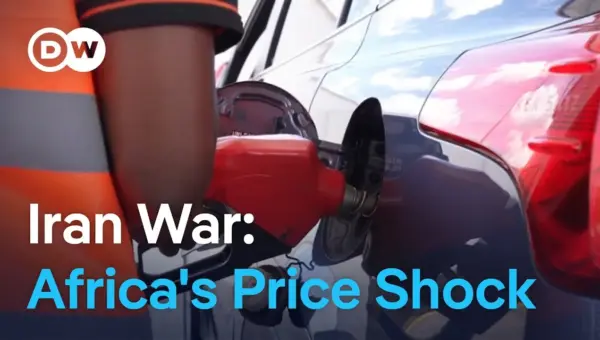
Africa Faces Fuel, Fertilizer Price Shock Amid Global Tensions
Africa is facing a severe economic shock as fuel and fertilizer prices surge due to global conflicts. Nigeria's Dangote refinery is increasing fertilizer exports to the continent, while South Africans feel the pinch of rising transport and food costs. Experts warn of long-term consequences and call for greater energy autonomy.
Diesel Shock Cripples Global Food Supply
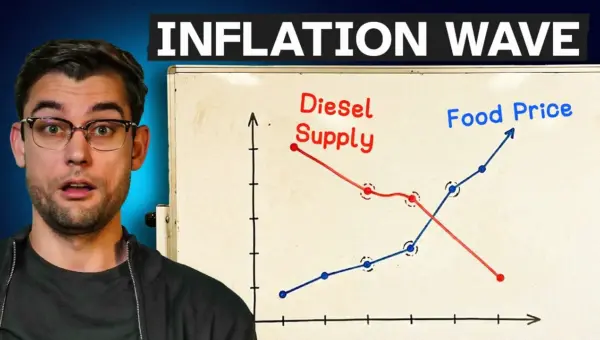
Soaring diesel prices have grounded a significant portion of the global fishing fleet, particularly in Southeast Asia. This disruption is creating a critical shortage of fish meal, a key ingredient in animal feed, which is driving up costs for poultry and farmed fish. The ripple effect is expected to lead to significant food inflation globally.

Mayor’s First 100 Days: Radical Promises Spark Tax Hikes
Mayor Zohran Mamdani's first 100 days are marked by radical promises, particularly a push for significant tax hikes on the wealthy and middle class. Critics question his leadership and alleged anti-American stance, citing controversies like the scaled-back Times Square anniversary event.