From ‘War Zone’ to World Cup: British Perceptions of Holidaying in the U.S. Spark American Self-Reflection
A recent social media experiment exploring British willingness to vacation in the U.S. has revealed a complex and often critical perception of America, prompting significant self-reflection from an American observer. Concerns range from viewing the U.S. as a 'war zone' due to gun violence, to fears about rights, safety, and treatment at borders. This candid feedback underscores a growing international apprehension about the U.S., challenging long-held narratives of universal safety and freedom.

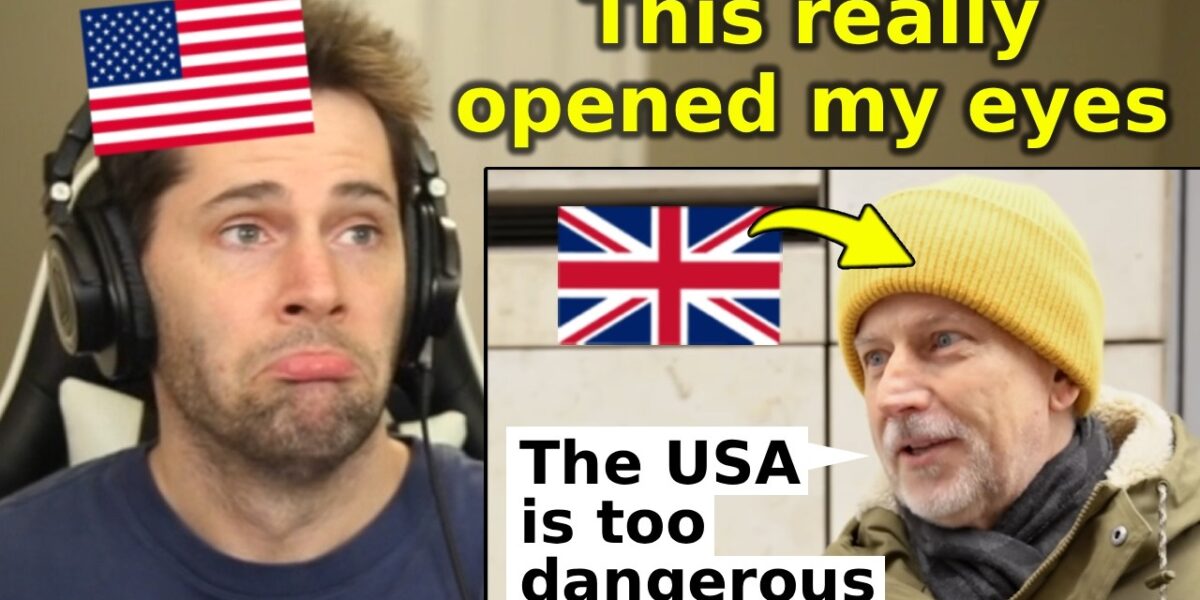
From ‘War Zone’ to World Cup: British Perceptions of Holidaying in the U.S. Spark American Self-Reflection
A recent social media experiment, where a British media outlet polled its citizens about their willingness to vacation in the United States, has unveiled a complex and often critical perception of America, prompting significant self-reflection from an American observer. The candid responses, ranging from outright dismissal of the U.S. as a ‘war zone’ to a reluctant willingness to visit for specific events like the World Cup, highlight growing international concerns about safety, rights, and the overall image of the world’s most powerful nation.
The viral reaction video by an American commentator, who initially expected a degree of British curiosity about the U.S., found himself confronted with a stark reality. “I really don’t know what British people think about the US now,” he admitted at the outset, a sentiment soon replaced by a mix of shock, defensiveness, and eventual understanding as he processed the unvarnished opinions.
The ‘War Zone’ Perception: A Harsh Reality Check
One of the most striking initial responses came from a British individual who bluntly stated, “You can’t be going into that active war zone and think it’s going to be the peachy keen because you’re a tourist.” This powerful and unsettling description immediately caught the American reactor off guard. “Oh my god. Is it that like intense of a feeling towards the US? Like you guys view us as a war zone. That’s some pretty, you know, that’s a pretty powerful statement. It’s pretty harsh,” he reacted.
While initially inclined to dismiss this as an exaggeration, the American commentator quickly conceded that recent events have made such a perception less outlandish than it once seemed. He acknowledged the U.S.’s high rates of violence, particularly gun violence, which frequently makes international headlines. He specifically cited “recent events, especially like in Minnesota, if you’ve heard about some of the ICE like shootings where US citizens were literally like shot and killed on the streets, like literally,” as incidents that lend a chilling credence to the ‘war zone’ label. This admission underscores a growing internal recognition among some Americans that the nation’s challenges are increasingly visible and concerning to the outside world, challenging the long-held narrative of universal safety and freedom.
The issue of gun violence, a persistent point of contention within the U.S., undoubtedly contributes to this external perception. With a unique constitutional right to bear arms and a culture where gun ownership is widespread, the U.S. experiences a volume of gun-related deaths and mass shootings far exceeding other developed nations. While many Americans, particularly those living in quieter communities, may not personally encounter such violence, the sheer frequency of these events reported globally shapes an international image of a nation grappling with an internal security crisis. This stark contrast between daily American life for many and the headline-grabbing incidents creates a disconnect that foreign visitors are increasingly aware of.
Safety and Rights: A Shifting Narrative
Beyond the ‘war zone’ label, British respondents articulated deep-seated concerns about personal safety and the erosion of rights. One individual’s comment, “Have no rights. You have no there’s no laws to protect you,” sparked a strong, albeit nuanced, reaction from the American commentator. He initially pushed back, asserting, “I do think we have pretty good rights and protections.” However, his defense quickly fractured as he acknowledged the caveats: “It certainly depends… which is a horrible thing to say, but and that’s not the way it should be, is it?”
This internal struggle reflects a broader societal debate within the U.S. about who truly benefits from the nation’s promised freedoms and protections. The American reactor admitted that for certain groups, particularly immigrants or those from specific backgrounds, the reality of rights and protections might feel precarious. This sentiment resonates with ongoing discussions in the U.S. about civil liberties, racial justice, and the impact of political polarization on individual freedoms. The perception that rights are not universally applied or are subject to arbitrary enforcement by authorities creates a deterrent for potential visitors who prioritize personal security and legal safeguards.
Another profound observation from a British respondent highlighted America’s international responsibility: “The biggest and most powerful country in the western world. America has a certain responsibility to behave the right way and do the right things.” The American reactor found this statement “extremely reasonable” and “very honest.” He elaborated on the idea that the U.S., having benefited immensely from established international norms, now appears to be “breaking all the rules” under certain leadership, undermining global cooperation and trust. This point touches on the concept of ‘soft power’ – a nation’s ability to influence others through attraction rather than coercion. When a nation’s internal policies and external conduct are perceived as erratic or unjust, its soft power diminishes, impacting everything from tourism to diplomatic relations.
Navigating Borders: Fear of Detention and Deportation
A significant portion of the British apprehension centered around the experience of entering the U.S. and the fear of arbitrary detention or deportation. Concerns ranged from invasive border security measures to the risk of permanent travel bans. The American reactor acknowledged hearing “stories about people trying to come here on visas, travel visas, work visas… having a horrible time at the border or the airport or getting turned away, having your cell phone searched.” He conceded that while not physically unsafe, such experiences are “certainly disturbing. It’s certainly uncomfortable. Nobody like that that for that would be enough for me not to want to visit a place.”
One particularly stark comment referenced the fear of being targeted due to identity: “Don’t go back. You’ll get detained. You’re miss brown. They’ll never let you be.” This speaks to a deep-seated anxiety among some international travelers, particularly people of color, about racial profiling and discriminatory treatment at U.S. ports of entry. The American reactor, initially taken aback, found himself acknowledging the uncomfortable truth: “They will just take the tiniest tiniest grain of difference and then exploit it and send you to freaking Venezuela.” While perhaps hyperbolic, the sentiment reflects a genuine fear of an overly aggressive and potentially prejudiced immigration system.
The severity of U.S. immigration enforcement further contributes to this unease. The possibility of being deported and subsequently facing a permanent ban on re-entry was a major concern for one British woman who expressed a love for America but feared visiting. “If you get deported that’s it. You cannot return,” she noted, highlighting the high stakes involved for international travelers. This ‘bizarre situation,’ as the American reactor termed it, where a genuine desire to visit is overshadowed by the fear of irreversible consequences, paints a picture of a nation that, despite its allure, has become increasingly intimidating for potential visitors.
Beyond the Headlines: Nuance and American Self-Reflection
Despite the prevailing negativity, the British perspectives were not entirely monolithic. The individual willing to visit for the World Cup provided a moment of levity, showcasing that specific cultural or sporting events can still draw visitors, even amidst broader concerns. “He’s like, ‘You know what? I don’t really care much for the US, but if the World Cup is there, okay, you got to have your priorities in order,'” the American observed.
Crucially, the American reactor’s journey through these opinions evolved from initial defensiveness to a profound sense of self-reflection. He admitted that many Americans, living within their own contexts, may not fully grasp the external perception of their country. “Most Americans don’t think about [these fears] because we live here,” he noted. He recognized his own “privileged experience” of never personally witnessing gun violence despite living in the U.S., acknowledging that this experience doesn’t negate the statistical realities or the fears of others.
The exercise, he concluded, was “quite productive” and “certainly opened my eyes to some things that I think a lot of us Americans don’t think about or don’t want to really acknowledge.” This willingness to engage with critical external viewpoints, even when uncomfortable, underscores a growing, albeit slow, process of self-assessment within the U.S. It suggests that while national pride often leads to defensiveness, there’s an increasing recognition of the value in understanding how the world views America, especially in an era of rapid information dissemination and global interconnectedness.
Broader Implications: The Soft Power Challenge
The British sentiments articulated in this informal poll carry significant implications for the United States’ global standing. When a nation’s image deteriorates to the point where potential tourists view it as unsafe or unwelcoming, it affects more than just holiday bookings. It impacts ‘soft power’ – the ability to attract and persuade through cultural and political values rather than coercion. The comment about not wanting to “give good PR to a nation that really doesn’t deserve it and is actively working against it” directly addresses this challenge.
A decline in tourism, while perhaps a minor economic impact for a country the size of the U.S., is a visible symptom of a broader erosion of international goodwill and trust. It signals that America’s foundational ideals of freedom, opportunity, and safety are being questioned abroad, not just by political adversaries but by traditional allies and ordinary citizens. For a nation that has historically projected itself as a beacon of democracy and a land of welcome, these perceptions present a profound challenge to its identity and its role in the world.
Conclusion
The reactions from British citizens regarding holidaying in the U.S., as filtered through an American commentator’s eye, offer a revealing snapshot of contemporary international perceptions of America. From the visceral fear of a ‘war zone’ to the anxiety over border encounters and the erosion of rights, these concerns are deeply rooted in current events and political realities. For the American observer, the experience was an “eye-opening” journey from defensiveness to a candid acknowledgment of the nation’s complexities and challenges. It highlights the critical importance for the United States to not only address its internal issues but also to understand and respond to how these issues are perceived on the global stage, lest its reputation as a desirable destination continue to be overshadowed by an image of instability and uncertainty.
Source: American Reacts to "Asking Brits if They'd Holiday in America" (YouTube)

Related Articles

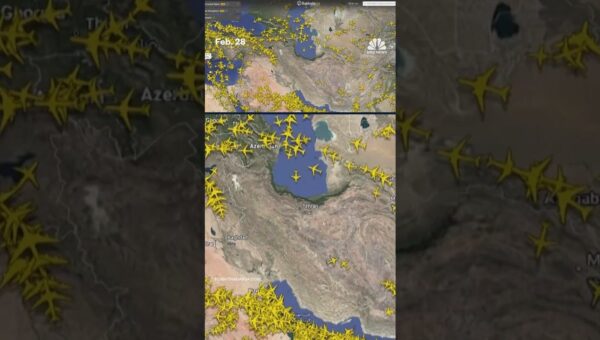
Austin Bar Shooting Claims 3 Lives in Early Morning Violence
At least three people were killed and several others injured in a shooting at a bar in downtown Austin early Saturday morning. Law enforcement is currently investigating the incident, which occurred in a busy entertainment district, and urging anyone with information to come forward.
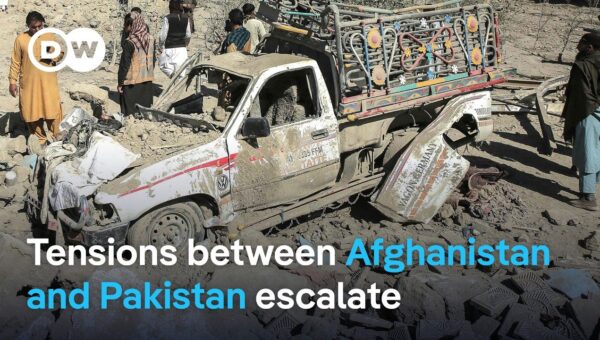
Afghanistan-Pakistan Border Clashes Escalate Amid Ceasefire Fears
Fresh clashes have erupted along the Afghanistan-Pakistan border, threatening a fragile ceasefire. Afghanistan's Taliban claim to have attacked Pakistani military targets in retaliation for earlier airstrikes, while Pakistan denies any losses and released footage of its own strikes. The escalation highlights deep-seated tensions over militant activity and cross-border accusations.

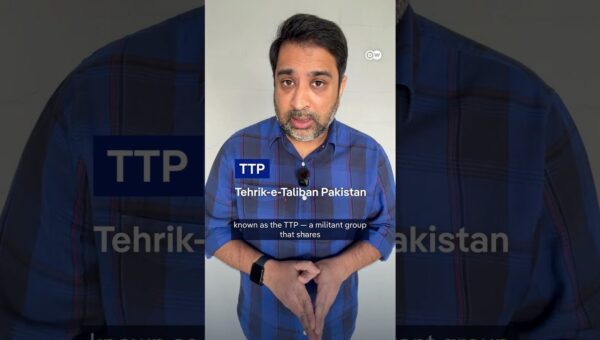
Pakistan-Taliban Ties Strain Amid Border Clashes, Militant Surge
Pakistan and the Afghan Taliban's long-standing relationship is under severe strain due to escalating border clashes and a surge in militant violence within Pakistan. Islamabad blames the Afghan Taliban for harboring the Pakistani Taliban (TTP), a designated terrorist group, leading to retaliatory air strikes and reciprocal accusations.