From Grand Ballroom to Beloved Boozer: Hamilton Hall Offers a Taste of History and Unbeatable Value
Hamilton Hall, a Wetherspoons pub housed in the former ballroom of the Great Eastern Hotel at Liverpool Street Station, offers a unique blend of Victorian grandeur and modern affordability. This Grade II listed building provides a spectacular setting for a traditional Full English breakfast, praised for its quality and exceptional value at just £8.52, including unlimited tea. It stands as a testament to heritage preservation and Wetherspoons' ability to make historic spaces accessible to all.

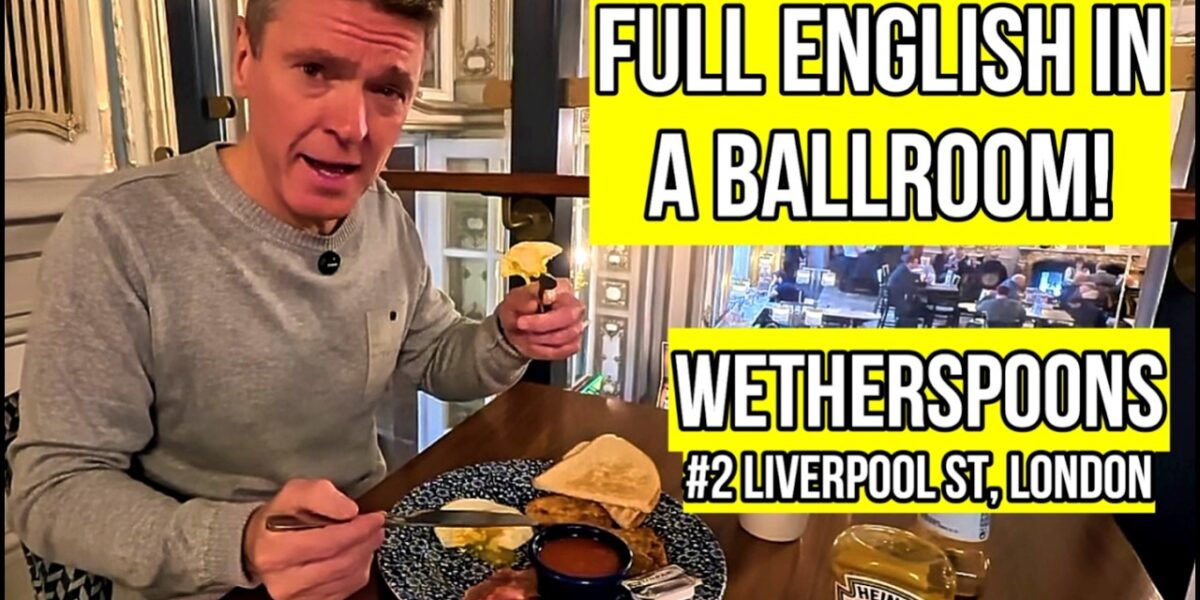
From Grand Ballroom to Beloved Boozer: Hamilton Hall Offers a Taste of History and Unbeatable Value in the Heart of London
Nestled amidst the gleaming skyscrapers and bustling energy of London’s financial district, adjacent to the historic Liverpool Street Station, lies a pub that offers far more than just affordable pints and hearty meals. Hamilton Hall, a Wetherspoons establishment, is a magnificent architectural marvel, a living testament to Victorian grandeur, and a surprising haven for budget-conscious diners seeking a quintessential British experience. This particular Wetherspoons, housed within what was once the opulent ballroom of the Great Eastern Hotel, consistently ranks as one of the busiest in the UK, drawing in hundreds of thousands of commuters daily and offering an unparalleled blend of history, atmosphere, and value.
A Glimpse into the Past: The Grandeur of the Great Eastern Hotel
The story of Hamilton Hall begins long before it became a popular pub. Its origins trace back to 1884, with the construction of the Great Eastern Hotel as an integral part of Liverpool Street Station. This was an era of railway expansion and architectural ambition, where grand hotels were built to serve the burgeoning class of railway travellers. The Great Eastern Hotel was no exception, designed to cater to the discerning tastes of first-class commuters and visitors to the capital.
The ballroom, now known as Hamilton Hall, was the jewel in the hotel’s crown. It wasn’t merely a space for lavish dances and social gatherings; it was a symbol of exclusivity and convenience. First-class passengers arriving at Liverpool Street Station enjoyed a unique privilege: a special, private corridor led directly from their carriages into the ballroom, allowing them to bypass the public areas of the station and check into the hotel with utmost discretion and ease. This architectural feature underscored the hotel’s commitment to luxury and bespoke service, a stark contrast to the democratic accessibility it offers today.
The Great Eastern Hotel thrived for approximately a century, witnessing the ebb and flow of London’s fortunes, two World Wars, and profound social changes. However, like many grand Victorian establishments, it eventually succumbed to the pressures of changing travel habits, economic shifts, and the high costs of maintenance. By the 1980s, the hotel had fallen into disrepair, eventually going bust and leaving its magnificent ballroom abandoned and neglected.
Wetherspoons’ Vision: Preserving History, Serving the Masses
The dereliction of such a historically significant and architecturally stunning building presented a unique opportunity for JD Wetherspoon, the pub chain renowned for its strategy of acquiring and sympathetically restoring historic properties. In 1991, Wetherspoons took on the ambitious project of transforming the former ballroom into a pub, a decision driven by the immense footfall of Liverpool Street Station, which sees approximately 200,000 people pass through its concourses every day. This station serves as a vital gateway, particularly for commuters from Essex who work in London’s lucrative financial sector.
The decision proved to be prescient. Hamilton Hall quickly became one of Wetherspoons’ busiest pubs in the entire UK, a testament to its strategic location and the chain’s winning formula. The pub serves thousands, sometimes tens of thousands, of people on peak days, becoming particularly ‘rammed’ on Thursday and Friday evenings as City workers unwind. The establishment’s popularity extends to its extensive outdoor seating area, which, even on a chilly morning, hints at the vibrant crowds that will fill it later in the day.
Crucially, Hamilton Hall is a Grade II listed building, a designation that legally protects its architectural and historical integrity. This meant that Wetherspoons’ renovation was not merely a cosmetic upgrade but a meticulous restoration effort, requiring approval from heritage authorities for any structural changes. The chain rose to the challenge, ensuring that the former ballroom’s original glory was not just preserved but enhanced. The result is a space that, despite its modern function as a pub, transports visitors back to the 19th century.
The interior is nothing short of spectacular. Soaring, incredibly high ceilings draw the eye upwards, adorned with intricate, ornate plasterwork featuring cherubs and angels. Massive, glittering chandeliers hang gracefully, casting a warm glow over the expansive space. The bar itself is designed to complement the ballroom’s grandeur, appearing ‘flash’ and ‘upmarket,’ seamlessly integrating with the historical aesthetic. A mezzanine level provides additional seating and a slightly more private dining experience, while floor-to-ceiling windows flood the space with natural light. The sympathetic conversion by Wetherspoons ensures that while it operates as a bustling pub, it retains the opulent feel of a grand ballroom, a truly unique setting for a casual meal or drink.
The name ‘Hamilton Hall’ itself is a nod to this rich history. It honours Lord Hamilton, who served as the chairman of the Great Eastern Railway and was instrumental in the construction of Liverpool Street Station and the associated hotel. This practice of naming pubs after local historical figures or features is a hallmark of the Wetherspoons brand, further embedding their establishments within the fabric of their communities and celebrating local heritage.
The Wetherspoons Phenomenon: Value and Consistency
Beyond its impressive architecture, Hamilton Hall embodies the core principles that have made Wetherspoons a household name across the UK: unbeatable value, extensive choice, and a consistent, if not always gourmet, standard of food and drink. The chain’s business model is built on economies of scale, direct purchasing, and a no-frills approach that eschews background music and televisions, fostering an atmosphere conducive to conversation and relaxation.
This model particularly shines in high-cost urban centres like the City of London. While surrounding establishments might charge exorbitant prices for even a simple cup of tea, Wetherspoons offers a refuge of affordability. This democratic approach to dining and drinking has cemented its place in British culture, attracting a diverse clientele from business professionals and commuters to tourists and local residents, all seeking a reliable and economical option.
The Quintessential British Breakfast: A Culinary Review
The focus of a recent visit to Hamilton Hall was to assess one of Wetherspoons’ most popular offerings: the traditional Full English Breakfast. Following numerous recommendations from viewers, the expectation was high for a satisfying, classic rendition of this beloved national dish.
The menu at Hamilton Hall offers a variety of breakfast options, but the ‘traditional breakfast’ was selected for its classic appeal. It comprised a fried egg, two rashers of back bacon, one Lincolnshire sausage, a pot of baked beans, two hash browns, and a slice of toast. Accompanying this feast was an order of refillable tea, a remarkable value proposition in itself.
A Breakdown of the Breakfast Experience:
- Service and Value: The efficiency of service was striking. Within a minute of ordering, the teacup and teapot arrived, allowing for immediate self-service of unlimited hot beverages (tea, coffee, hot chocolate, water). The breakfast itself followed a mere five minutes later. The cost for the unlimited tea was an astonishing £1.81, while the traditional breakfast was priced at £6.71, bringing the total bill to an incredible £8.52. In the context of London’s financial district, where a single takeaway cup of tea can cost upwards of £5, this represents an almost unbeatable financial deal.
- The Egg: The fried egg was perfectly cooked, with a nicely runny yolk that was neither overly fatty nor crispy at the edges. Its presentation was neat, resembling a poached egg in its compact form, making for an enjoyable first bite.
- The Sausage: The Lincolnshire sausage was a highlight. Well-cooked to a golden brown, it boasted good meat content without being overly fatty. Its taste was described as ‘very, very tasty,’ fulfilling the promise of a quality breakfast sausage.
- The Bacon: A crucial component, the bacon was back bacon – a preference for many over streaky bacon, offering a more substantial, meaty texture. It was well-cooked, not crispy, and possessed a satisfying saltiness, which is considered an essential characteristic of breakfast bacon. The classic combination of bacon and egg, with the saltiness of the bacon complementing the juiciness of the egg, was particularly praised.
- The Beans: Served in a separate pot, a thoughtful touch to prevent the ‘bean juice’ from mingling with other items, the baked beans were noted as being a bit watery and not the premium Heinz brand. However, their status improved significantly when combined with other elements of the breakfast, acting as a crucial moistening agent for the drier components.
- The Hash Browns: The two hash browns were well-executed, crispy on the outside and light and fluffy within. They were not overly greasy and had a good, satisfying flavour, proving to be an excellent accompaniment, especially when paired with the beans.
- The Toast: A single slice, cut into two, was described as ‘lightly toasted,’ almost on the verge of being bread rather than fully toasted. While a little cold due to being left until last, the bread itself was tasty, and like the beans, its value increased when combined with other elements, particularly as a base for beans on toast.
- Condiments: A well-stocked condiment station offered genuine HP brown sauce and English mustard, among others. The brown sauce, a classic accompaniment, was deemed the ‘ticket’ and a ‘winning combination’ with egg and bacon, providing an extra ‘kick’ that defines the quintessential British breakfast flavour. The reviewer also championed the combination of sausage, egg, brown sauce, and mustard as a ‘must-try’ for those seeking the ultimate flavour profile.
The Enduring Appeal of the Full English:
The Full English Breakfast is more than just a meal; it’s a cultural institution with roots stretching back to the Victorian era, when it served as a substantial start to the day for both the working classes and the gentry. It provided enough calories and sustenance to last through long hours of work, a tradition that continues to resonate today. The joy of the Full English, as highlighted in the review, lies not just in its individual components but in the harmonious interplay of textures and flavours when combined – the saltiness of bacon, the richness of egg, the savoury depth of sausage, and the moistness of beans.
Unbeatable Value in a Pricy Locale
The financial aspect of dining at Hamilton Hall cannot be overstated. For a total of £8.52, the traditional breakfast with unlimited hot drinks offers extraordinary value, especially in the context of London’s financial district, which is one of the most expensive areas in the world. A single cup of coffee or tea from a high-street chain like Pret a Manger or Starbucks often costs close to £5. The ability to enjoy unlimited refills of hot beverages for just £1.81 is a game-changer, particularly for those seeking a quiet, comfortable space to work or study without the pressure of constant purchases.
The reviewer noted that despite the sheer volume of food, the meal did not feel greasy or heavy. Instead, it left a feeling of being ‘fueled up’ and ready for the day, a testament to the quality and cooking of the components. This combination of satisfying food, incredible value, and a magnificent setting makes Hamilton Hall a standout destination.
Hamilton Hall: A Legacy of Preservation and Accessibility
Wetherspoons’ commitment to Hamilton Hall extends beyond mere commercial operation; it represents a significant contribution to heritage preservation. By taking on a Grade II listed building and restoring it to its former glory, the chain has ensured that a piece of London’s architectural history remains accessible to the public. It’s a prime example of how adaptive reuse can breathe new life into historic structures, preventing their decay and allowing new generations to appreciate their beauty.
The pub’s success also underscores Wetherspoons’ unique position in the UK hospitality landscape. While it may not offer Michelin-star dining, it consistently delivers on its promise of good value and a reliable experience. Hamilton Hall, in particular, elevates this offering by providing an unexpectedly grand setting, democratizing access to a space that was once the exclusive domain of the elite.
The overall assessment of the traditional breakfast at Hamilton Hall was overwhelmingly positive. From a financial perspective, it earned a perfect 10 out of 10 for its unbeatable value. In terms of quality, factoring in the minor critiques of the beans and toast, it achieved a solid 7.5 out of 10. This score, indicating a strong recommendation, firmly places Hamilton Hall as a must-visit destination for anyone seeking a delicious, affordable, and historically rich breakfast experience in London. It’s a place that transcends the typical pub visit, offering a genuine taste of British heritage alongside a satisfying meal.
Source: I Ate a Full English in a Ballroom at Wetherspoons! #2 Hamilton Hall, Liverpool St, London (YouTube)

Related Articles


Trump Warns of More US Deaths in Escalating Conflict
Former President Donald Trump issued a somber warning on Truth Social, stating that further U.S. service member deaths are "likely" as geopolitical tensions escalate. He condemned Iran's former supreme leader, Ayatollah Ali Khamenei, and vowed retribution for fallen soldiers.


Air Travel Chaos Erupts as Gulf Conflict Shuts Skies
Tens of thousands of passengers are stranded as the conflict in the Persian Gulf forces widespread airspace closures, disrupting global air travel. A tourist in Israel described witnessing air strikes and the desperate search for escape routes amidst rapidly changing travel options.


Gulf States Caught in US-Iran Crossfire, Seek Stability
Gulf states are caught in the escalating US-Iran conflict, facing violations of sovereignty and national security threats. Leaders express a strong desire for stability and economic prosperity, contrasting with the unfolding scenes of regional instability.