From Allies to Adversaries: The US-Iran Relationship’s Tumultuous History
The relationship between the United States and Iran has a complex and often volatile history, moving from close allies in the mid-20th century to deep adversaries today. Key events like the 1953 coup, the 1979 Islamic Revolution, the hostage crisis, and the 2015 nuclear deal have shaped this tumultuous dynamic.

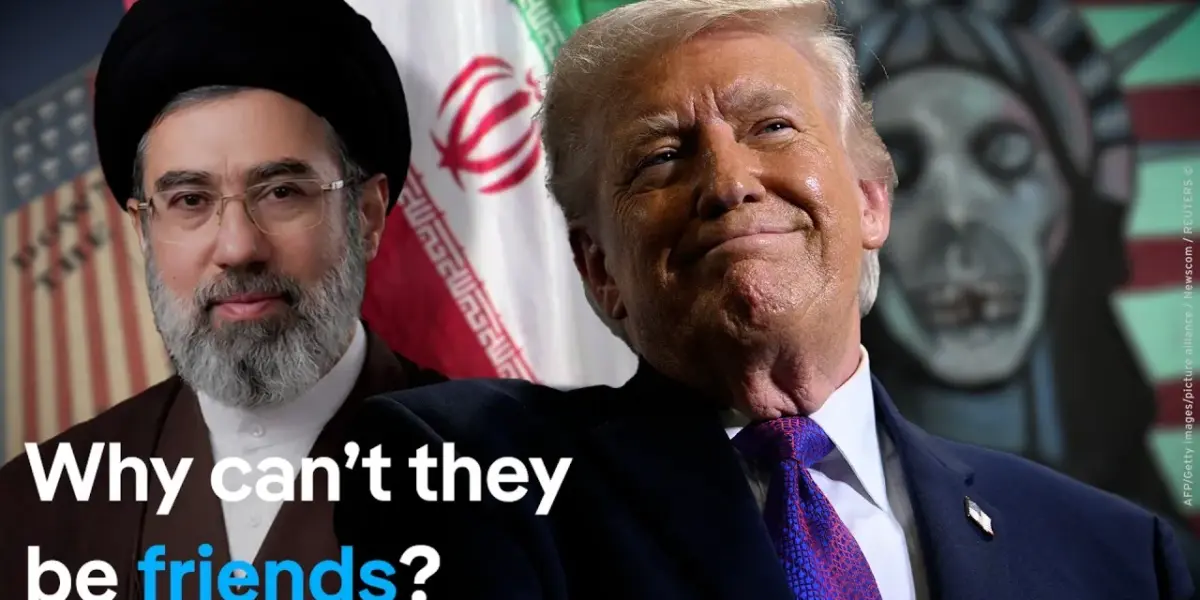
US-Iran Ties: A Dramatic Fall from Friendship to Hostility
The relationship between the United States and Iran has undergone a dramatic and often violent transformation, shifting from close allies to bitter adversaries. This complex history is marked by strategic alliances, covert operations, revolutions, and prolonged periods of deep mistrust. For decades, the two nations shared a bond built on mutual interests, particularly during the Cold War era when Iran, under Shah Mohammad Reza Pahlavi, was seen as a vital bulwark against Soviet influence in the Middle East.
The Golden Age: A Strategic Partnership
From the 1950s through the 1970s, the Shah of Iran was a favored partner of the United States. Iran’s vast oil reserves and its strategic location made it a crucial ally in a volatile region. The U.S. provided significant support to the Shah’s regime, including advanced military technology and even nuclear technology through programs like the 1950s Atoms for Peace initiative. President Nixon’s administration, for instance, sold Iran advanced weaponry, further cementing their close ties. This period represented a high point in bilateral relations, with Iran serving as a stable partner for American interests in the Middle East.
The Seeds of Discord: The 1953 Coup and Growing Resentment
However, the foundation of this alliance was controversial. The Shah himself ascended to power in 1953 following a coup that was secretly orchestrated by the U.S. and the United Kingdom. This operation toppled the democratically elected government of Prime Minister Mohammad Mosaddegh, who had nationalized Iran’s oil industry and was viewed by Washington and London as being too sympathetic to communist ideals. This intervention fostered a deep-seated resentment among many Iranians and planted the seeds for future anti-American sentiment. While the U.S. provided substantial aid and security assurances, the undemocratic nature of the Shah’s rule and the memory of the 1953 coup created underlying tensions.
The 1979 Revolution and the Hostage Crisis
The relationship dramatically fractured in 1979 with the Islamic Revolution. This upheaval led to the overthrow of the Shah’s regime and the establishment of a hardline Shiite Muslim government that was intensely hostile to the United States. “Death to America” quickly became a prominent slogan, reflecting the new government’s stance. The situation reached a crisis point in November 1979 when Iranian students stormed the U.S. embassy in Tehran, taking more than 50 Americans hostage. These individuals were held for 444 days, a prolonged ordeal that deeply humiliated the United States and further poisoned relations. Upon their release, the U.S. pledged non-interference in Iranian affairs, though the deep wounds from the crisis lingered.
“I think at the beginning of the revolution maybe the first couple of years… there was a time that my parents generation… there were a lot of people amongst them that were thinking yeah the the problems that the country had was uh because of the US inter you know intervention.”
Nagin Shiraag, activist and founder of the Azadi Iranian Network
Echoes of the Past: Iran-Contra and Ongoing Mistrust
Even after the hostage crisis, the relationship remained fraught with suspicion. In a shocking turn of events, U.S. officials were later implicated in secret arms sales to Iran during the Iran-Contra affair. This scheme aimed to secure the release of American hostages held by Hezbollah in Lebanon, a proxy group supported by Iran. The operation failed to achieve its primary objective, as two hostages were killed anyway, and the scandal further eroded trust. This period highlighted the complex, often contradictory, nature of the U.S.-Iran dynamic, where adversarial actions coexisted with back-channel communications and attempts at strategic maneuvering.
Shifting Alliances: The Iran-Iraq War and Sanctions
During the brutal Iran-Iraq War in the 1980s, which resulted in hundreds of thousands of casualties, the United States sided with Iraq. This decision further alienated Iran and solidified its perception of the U.S. as an adversary. In the 1990s, under President Bill Clinton, the U.S. imposed significant economic sanctions on Iran, citing concerns over its pursuit of nuclear energy, which Washington suspected was a cover for developing nuclear weapons. These sanctions placed a heavy burden on ordinary Iranian civilians.
A Brief Thaw: Post-9/11 Cooperation
A surprising moment of potential reconciliation emerged in the aftermath of the September 11, 2001, terrorist attacks. Iran expressed solidarity with the American people and even cooperated with Washington in combating the Taliban in Afghanistan. This period offered a glimpse of shared interests, particularly in confronting Sunni fundamentalism and extremist groups like al-Qaeda. Many in Iran, especially younger generations, saw a potential opening for improved relations or even a shift in the Islamic Republic’s policies. However, this hopeful moment was short-lived.
“I remember that time quite clearly. I was a journalist in Iran um back then and there was a the feeling we had on our side like as as public it was mixture of agreement and not agreeing because we we as Iranian society we always have this uh kind of not being sure how to do how to deal with Islamic Republic right so even at that time people were hoping that there might be some sort of possibility towards the Islamic Republic from the American side that would allow you know a change of regime but then at the same time we were trying before and trying to change from within the system.”
Journalist in Iran during the post-9/11 period
The “Axis of Evil” and Renewed Confrontation
In 2002, just a year after the brief period of cooperation, President George W. Bush dramatically shifted the tone. In a televised speech, he denounced Iran, along with Iraq and North Korea, as part of an “axis of evil.” Bush accused these nations of seeking weapons of mass destruction and threatening world peace. This rhetoric signaled a return to confrontation and dashed hopes for improved U.S.-Iran relations, effectively ending any potential goodwill generated by post-9/11 cooperation.
The Nuclear Deal and its Demise
Fast forward thirteen years, and a different approach emerged under President Barack Obama. In 2015, his administration successfully negotiated a landmark nuclear deal with Iran, known as the Joint Comprehensive Plan of Action (JCPOA). This agreement aimed to limit Iran’s nuclear program in exchange for sanctions relief. The agreement was a significant diplomatic achievement, with Iranian President Hassan Rouhani even speaking directly with President Obama by phone, an extraordinary event for isolated Iran. Celebrations erupted in Iranian streets, signaling a brief period of optimism that relations might be cooling.
Trump Era: Withdrawal and Escalation
However, this progress was reversed during the presidency of Donald Trump. In 2018, Trump withdrew the United States from the JCPOA, calling it the “worst deal ever made,” and reimposed stringent economic sanctions on Iran. This move significantly increased tensions and isolated Iran once again. The situation escalated further in January 2020 with the U.S. assassination of top Iranian general Qasem Soleimani, a move that brought the two countries to the brink of open conflict. Despite Trump’s past comments expressing respect for the Iranian people, his administration’s policies led to a sharp deterioration in relations.
Current Tensions and the Path Forward
The cycle of confrontation continued with the Biden administration, particularly concerning Iran’s nuclear program and regional activities. In the midst of ongoing negotiations over Iran’s nuclear ambitions, the U.S. and Israel have engaged in air strikes on Iranian nuclear facilities, escalating tensions and sparking fears of a wider regional war. The deep-seated animosity, fueled by decades of mistrust, covert actions, and ideological divides, continues to define the U.S.-Iran relationship. While younger generations in Iran often express disillusionment with the current regime and a desire for change, the path forward remains unclear. The challenge lies in finding a way to foster positive change within Iran without triggering nationalist reactions that could further destabilize the region and push the two nations further into conflict.
Source: What brought the U.S. and Iran from friendship to war? | DW News (YouTube)

Related Articles


G7 Allies Clash Over Iran War Strategy, Urge Focus on Russia
G7 foreign ministers met in Paris, revealing deep divisions over the U.S. war with Iran. European allies urged the U.S. to pressure Russia, linking its actions to the conflict and fearing support for Ukraine will wane.

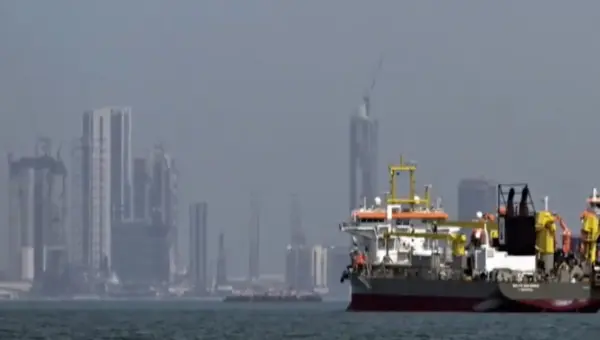
Iran Blocks China Ships, Exposing Beijing’s Weak Grip
Iran's recent decision to block Chinese ships at the Strait of Hormuz is exposing the limits of Beijing's influence in the Middle East. This action is causing delays and cancellations for Chinese manufacturers, turning a perceived geopolitical win into an economic strain.
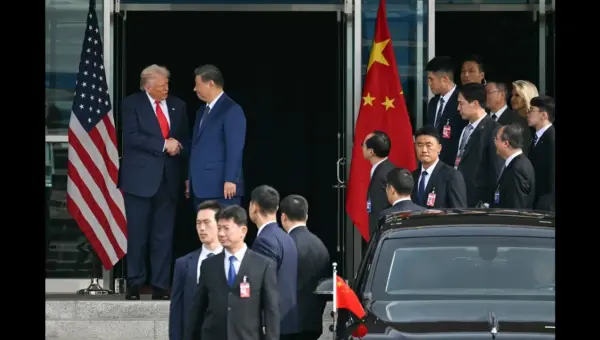
Trump’s “Walk Away” Tactic Signals Tougher Stance on China
Retired Air Force Brigadier General David Stillwell believes President Trump's strategy of being willing to walk away from negotiations puts pressure on China. This tactic, combined with US global actions and strengthened alliances, signals a more assertive American foreign policy.