Frida Kahlo’s Image Fuels Global Brand Amid Family Feud
Frida Kahlo's iconic image has become a global brand, fueling 'Fridamania' with merchandise ranging from clothing to dolls. This commercialization has divided her family and raised questions about honoring her legacy versus exploiting her likeness. The Frida Kahlo Corporation controls her image through trademarks, leading to legal battles and debates over ethical representation.

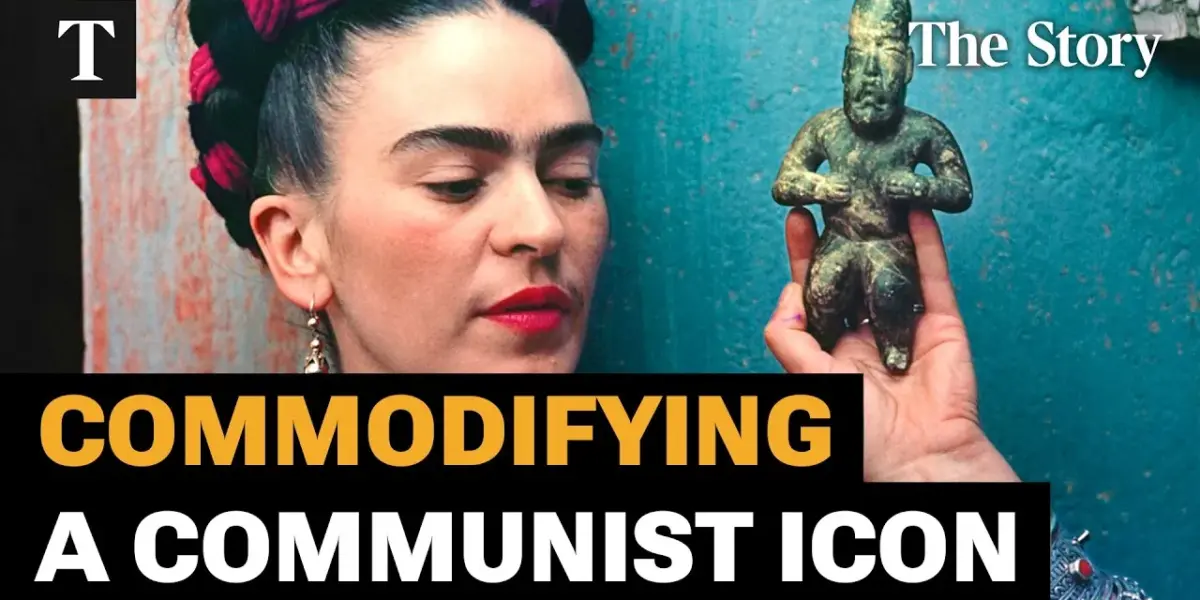
Artist or Brand? The Complex Legacy of Frida Kahlo
Frida Kahlo, the iconic Mexican painter known for her striking self-portraits and turbulent life, has become a global phenomenon, far beyond the art world. Her distinctive image, complete with unibrow and vibrant traditional clothing, adorns everything from tote bags and tattoos to sanitary pads and tequila bottles. This widespread commercialization, often dubbed ‘Fridamania,’ has sparked a complex debate about legacy, art, and business, even dividing her own family.
From Pain to Art: Kahlo’s Early Life and Career
Born in 1907, Frida Kahlo’s life was marked by significant hardship. She contracted polio as a child, which affected her leg. Later, a devastating bus accident at age 18 left her with severe injuries and chronic pain that would plague her for the rest of her life. This accident, however, led her to art. Confined to bed during her recovery, Kahlo began to paint, transforming her physical and emotional suffering into powerful, often surreal, self-portraits. Her art became a deeply personal exploration of identity, pain, and Mexican culture.
A Tumultuous Personal Life and Political Passion
Kahlo’s personal life was as intense as her art. Her marriage to the famous muralist Diego Rivera was famously tumultuous, marked by infidelity on both sides, including an affair Rivera had with Kahlo’s sister. Despite their divorce and remarriage, they remained a significant artistic and personal partnership. Kahlo was also a passionate member of the Communist Party, sharing political ideals with Rivera. Her political beliefs and her experiences as a woman, an artist, and someone living with disability deeply influenced her forthright depictions of the female body, suffering, and sexuality.
The Rise of ‘Fridamania’: From Art to Global Brand
Although Kahlo gained some recognition during her lifetime, with her work exhibited in places like New York and Paris, she was not a household name. Her widespread fame truly began decades after her death in 1954. A pivotal moment was the 1983 biography by Hayden Herrera, which brought Kahlo’s life and art to a broader audience, particularly within feminist circles. This sparked a surge of interest, leading to her image becoming globally recognized. Today, Kahlo’s paintings command millions of dollars, with one selling for over $32 million, breaking records for female artists. However, her image has transcended the art market, becoming a massive commercial brand.
Family Divided: The Frida Kahlo Corporation
The commercial success of Kahlo’s image has created significant tension within her family. Two branches of her family exist: one descended from her sister Cristina, and another from her father’s other daughters. Cristina’s descendants, including Kahlo’s great-niece Christina Kahlo, are not involved with the official Frida Kahlo Corporation. This corporation was established in 2004 by Kahlo’s niece, Isolda Pinedo Kahlo, and businessman Carlos Dorado. Their goal was to register trademarks and turn Kahlo into a global brand.
Legal Battles and Loss of Control
The Frida Kahlo Corporation holds numerous trademarks for Kahlo’s name, likeness, and artworks, particularly in the United States. This allows them to pursue legal action against vendors selling unauthorized merchandise. While copyright on her paintings has expired in many regions, these trademarks enable the corporation to control how her image is used. The corporation’s majority shareholder is Carlos Dorado, meaning the family does not have ultimate control. This led to internal conflict when the corporation partnered with Mattel to release a Frida Kahlo Barbie doll in 2018. While intended as a tribute, the doll’s lack of a unibrow and its able-bodied representation drew criticism. Even members of the corporation, like Maria Christina, Isolda’s daughter, were reportedly unhappy with the Barbie, leading to legal disputes within the company itself. Ultimately, a Mexican court ruled in favor of the corporation, allowing the Barbie sales to continue.
‘Fridamania’ and Ethical Questions
Christina Kahlo, who is not part of the corporation, expressed discomfort with the widespread commercialization. While proud of her great aunt’s artistic achievements and the messages her art conveys, she questions what Frida herself would think of the ‘tat’ and merchandise. She stated, “It’s really sad that the name Frida Kahlo as a brand, as a trademark, no longer belongs either to the family or to Mexico.” The partnerships the corporation has made, such as with luxury building developments in Miami or fast-fashion brands like Shein, seem at odds with Kahlo’s communist ideals. However, Kahlo’s biographer, Hayden Herrera, suggests that Frida, with her love for ‘bits and bobs’ and a good sense of humor, might have found some aspects of ‘Fridamania’ amusing, though perhaps not the sanitary pads or luxury apartments.
The Future of Kahlo’s Legacy
As major art institutions like the Tate Modern prepare exhibitions that lean into ‘Fridamania,’ dedicating sections to merchandise and its profitability, the debate continues. The commercial success of Kahlo’s image raises broader questions about the ethics of branding deceased artists, especially those with strong political and social messages. The story of Frida Kahlo’s legacy is a complex one, balancing artistic reverence with commercial exploitation, and highlighting the ongoing challenge of controlling an artist’s image in the modern global marketplace.
Source: What Would Frida Kahlo Think of Her Own ‘Fridamania’? (YouTube)

Related Articles

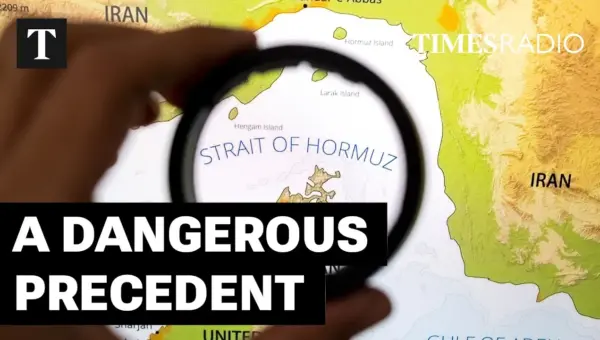
US Navy Clears Strait of Hormuz Mines Amid Tensions
The U.S. Navy has begun clearing sea mines in the Strait of Hormuz, a crucial global shipping lane, as commercial traffic remains critically low. Experts warn that Iran potentially controlling the strait could set a dangerous precedent for global trade, leading to a "free-for-all" in vital waterways worldwide.


NASA’s Artemis II Mission Blasts Off for Moon Flyby
NASA's Artemis II mission is launching, sending four astronauts on a historic journey around the Moon. This mission marks humanity's first crewed deep-space voyage in over 50 years and is a crucial step in NASA's plan to establish a lunar presence and eventually travel to Mars. The launch signifies a renewed era of lunar exploration amid a global space race.


US Warships Clear Strait of Hormuz Amid Mine Threats
US warships are reportedly sweeping the Strait of Hormuz for mines amid escalating tensions with Iran. While the US claims progress, experts note a lack of dedicated mine-clearing vessels in the region and question the current mine threat. The situation's resolution may depend on ongoing peace negotiations.