Free Speech vs. Harm: Court’s Conversion Therapy Ruling Sparks Outrage
The Supreme Court's recent decision supporting a challenge to Colorado's ban on gay conversion therapy has ignited widespread concern. While the ruling is technically narrow, focusing on free speech technicalities, critics fear it undermines protections for LGBTQ+ youth and could embolden harmful practices.

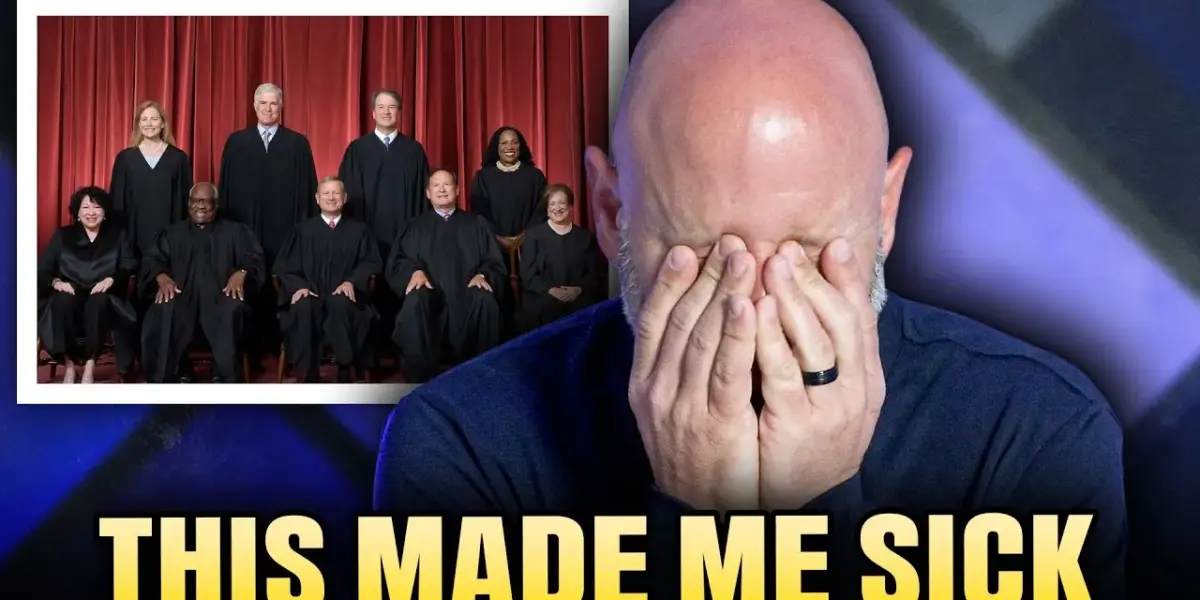
Free Speech vs. Harm: Court’s Conversion Therapy Ruling Sparks Outrage
The Supreme Court recently made a decision that has left many people deeply concerned. The court backed a challenge to Colorado’s ban on gay conversion therapy for young people. This ruling has sparked a strong reaction, with many seeing it as a step backward for LGBTQ+ rights and safety.
At its heart, the case deals with a tricky question about free speech. Colorado had a law that banned conversion therapy. This practice, often compared to torture, tries to change a person’s sexual orientation or gender identity. The Supreme Court’s decision, however, focused on the wording of Colorado’s law. Justice Elena Kagan, writing for the court, explained that the law was problematic because it specifically targeted certain types of speech. She noted that a law that was neutral about its viewpoint might present a different, harder question. This means the ban, as written, was seen as a free speech issue.
A Narrow Ruling, A Broad Impact?
It’s important to understand that the Supreme Court’s decision technically does not strike down Colorado’s ban. The law remains in place for now. However, the court’s reasoning has raised alarms. Even liberal justices, like Kagan and Sonia Sotomayor, joined the majority. They stressed that their agreement was based on the narrow nature of the ruling. They believe the court’s decision is limited to laws that are content-based, meaning they focus on the message being expressed.
This has led to disappointment, especially among those who expected more from the liberal wing of the court. Some feel that even a narrow ruling that allows challenges to such bans is a significant blow to hope for protecting vulnerable youth. The idea that banning harmful practices could be seen as a free speech violation is difficult for many to accept.
How is fake medical or psychological care a violation of free speech? You can’t go out there, offer this fake treatment, and claim it’s free speech. It’s not about the speech; it’s about the forced religion, which is illegal.
Historical Context and Concerns
Conversion therapy has a long and harmful history. For decades, it has been practiced with the goal of changing LGBTQ+ identities. Numerous medical and mental health organizations have condemned it as ineffective and dangerous. The American Psychological Association and the American Medical Association have stated that it can lead to depression, anxiety, and even suicide. The comparison to torture by some critics highlights the severe distress and harm it can cause.
The ruling has also brought renewed calls for reform of the Supreme Court itself. Many viewers expressed frustration with the lifetime appointments of justices. Ideas like term limits or even electing judges were discussed. The concern is that without accountability or a limit on their time in service, justices may become detached from the public or entrenched in their views. The debate over how to make the court more responsive to the public’s will is gaining steam.
The Broader Political Picture
For many in the LGBTQ+ community and their allies, this ruling is seen as part of a larger political struggle. Some view it as evidence that certain political groups are actively working against LGBTQ+ rights. The disappointment is compounded by the belief that this ruling will embolden those who wish to treat LGBTQ+ individuals unfairly. Social media has already seen reactions that suggest this fear is well-founded.
The question of whether the justices fully considered the real-world impact of conversion therapy, including the high rates of mental health issues among LGBTQ+ youth, has also been raised. Critics argue that the focus on the legal technicality of free speech may have overlooked the very real harm that such practices inflict.
Why This Matters
This Supreme Court ruling touches on fundamental questions about the balance between free expression and public safety. It raises concerns about how the legal system protects vulnerable populations. The decision highlights the ongoing debate about whether certain types of harmful practices can be shielded by free speech protections. For LGBTQ+ youth, who are often targets of discrimination and prejudice, this ruling can feel like a betrayal by the very institutions meant to protect them.
Implications and Future Outlook
The immediate impact is that bans on conversion therapy in other states may face new legal challenges. While Colorado’s ban remains for now, the Supreme Court’s reasoning could weaken similar laws elsewhere. Advocates will likely work to pass new laws that are more carefully worded to avoid the free speech issues identified by the court. They may also focus on direct legislative action and public education to counter the practice.
The ruling also fuels the ongoing debate about the role of the Supreme Court in modern society. Calls for reform, such as term limits or popular elections for justices, are likely to grow louder. This decision could become a rallying point for those seeking to change how the judiciary is structured and operates. The future may see increased political engagement aimed at influencing judicial appointments and court policies.
Source: Farron Reacts to TRAGIC Supreme Court Ruling (YouTube)

Related Articles

Supreme Court Weighs Birthright Citizenship in Key Trump Case
The Supreme Court is set to hear arguments in Trump v. Barbara, a case challenging President Trump's executive order to end birthright citizenship. The core debate centers on the 14th Amendment's 'subject to the jurisdiction thereof' clause and historical precedent, potentially impacting hundreds of thousands born in the U.S. annually.

Israel’s Death Penalty Bill Sparks Outrage, Faces Legal Challenge
Israel's parliament has passed a controversial death penalty law for Palestinians convicted of terrorism, sparking widespread protests in the West Bank and drawing international condemnation. The law, set to take effect in 30 days, faces a legal challenge at Israel's Supreme Court and has strained relations with European allies.

Polls Show GOP Slipping as Wisconsin Court Race Highlights Democracy Battle
A new Gallup poll shows Republicans at a historic low in voter identification, with Democrats holding a significant advantage. This shift coincides with economic anxieties and a key Wisconsin Supreme Court race that highlights national debates on democracy and the rule of law.