France Plans Strait of Hormuz Mission to Secure Global Shipping
France is reportedly preparing a naval mission to secure passage through the Strait of Hormuz, a critical global shipping lane for oil and gas. The initiative aims to de-escalate tensions and ensure the safe transit of commercial vessels amid rising regional instability and attacks on vital infrastructure.

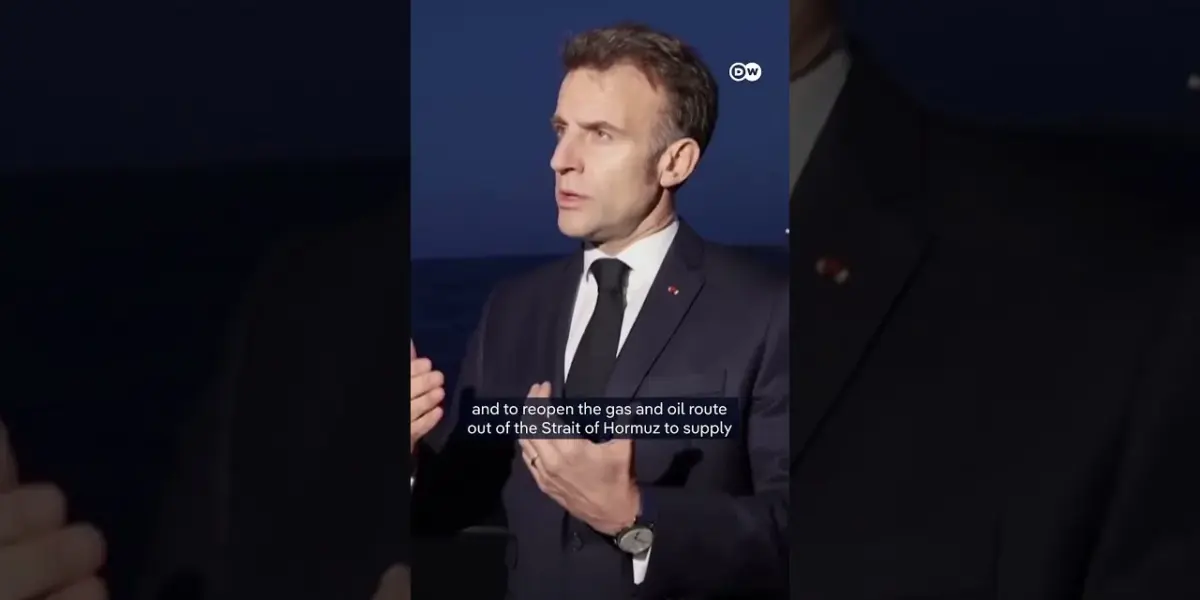
France Weighs Hormuz Mission Amid Rising Regional Tensions
France is reportedly preparing a naval mission aimed at securing maritime passage through the Strait of Hormuz, a vital chokepoint for global oil and gas supplies. The initiative, spearheaded by President Emmanuel Macron, seeks to de-escalate tensions and ensure the safe transit of commercial vessels, including oil tankers and container ships, should conflicts in the region subside.
The proposed mission, as detailed in recent reports, has the objective of escorting tankers and container ships through the Strait, thereby reopening critical routes for global energy markets and regional supply chains. This move comes at a time of heightened geopolitical instability, with recent attacks targeting crucial infrastructure, including desalination plants and hydrocarbon production facilities, underscoring the volatile nature of the region.
Strategic Importance of the Strait of Hormuz
The Strait of Hormuz, a narrow waterway connecting the Persian Gulf to the Gulf of Oman, is one of the world’s most strategically important maritime passages. Approximately 30% of the world’s seaborne oil trade passes through this strait daily. Its closure or disruption would have severe repercussions on global energy prices and supply, impacting economies worldwide.
Recent escalations in regional conflicts have raised concerns about the potential for disruption. The targeting of desalination plants, which are vital for providing fresh water to many countries in the region, and hydrocarbon production facilities highlights the fragility of the current situation. These attacks demonstrate a clear risk of geographical escalation and underscore the need for measures to ensure the free flow of commerce.
France’s Diplomatic and Military Posture
While details of the French mission remain under wraps, the underlying objective is to provide a secure corridor for shipping. The plan reportedly hinges on a de-escalation of existing conflicts, suggesting a diplomatic prelude to any potential military escort operations. The goal is to facilitate the peaceful transit of vessels, thereby stabilizing energy markets and alleviating shortages of essential goods in regional countries.
France, a permanent member of the UN Security Council and a key player in European security, has consistently advocated for diplomatic solutions to regional conflicts. However, the readiness to consider a naval mission indicates a willingness to employ military assets to safeguard international maritime law and ensure the stability of global trade routes. This approach reflects a broader strategy of maintaining a robust presence in key strategic areas to deter aggression and uphold international norms.
Broader Geopolitical Context and Risks
The situation in the Strait of Hormuz is intrinsically linked to the broader geopolitical landscape of the Middle East. Tensions between Iran and several Gulf states, coupled with ongoing conflicts in neighboring countries, create a complex web of challenges. Any military intervention or increased naval presence in the Strait could be perceived as escalatory by regional powers, potentially leading to unintended consequences.
The transcript highlights the existing risks of escalation, noting that infrastructure vital for both energy and daily life, such as desalination plants, has been targeted. This points to a deliberate strategy by some actors to create instability and disrupt regional economies. The volatile environment necessitates careful diplomatic maneuvering alongside any potential security measures to avoid further exacerbating the situation.
Potential Impact on Global Markets and Regional Stability
The successful reopening and securing of the Strait of Hormuz would have significant positive implications. It would help stabilize global oil prices, which are susceptible to geopolitical shocks. Furthermore, it would ensure the consistent supply of essential goods, such as food and fuel, to countries in the region that are currently facing shortages. This would contribute to greater economic stability and potentially reduce humanitarian concerns.
Conversely, a failure to address the security concerns in the Strait, or an escalation of tensions, could lead to severe economic downturns globally. The interconnectedness of global supply chains means that disruptions in such a critical chokepoint would ripple through various industries, from manufacturing to transportation.
Looking Ahead: Diplomacy and Deterrence
The proposed French mission represents a delicate balancing act between diplomatic engagement and military deterrence. The success of such an initiative will likely depend on a coordinated international effort, including the cooperation of regional powers. Continued diplomatic channels will be crucial to de-escalate tensions and prevent miscalculations. The coming weeks will be critical in observing how diplomatic efforts unfold and whether a consensus can be built to ensure the unimpeded flow of maritime traffic through this vital global artery.
Source: Macron prepares mission that could help reopen the Strait of Hormuz | DW News (YouTube)

Related Articles
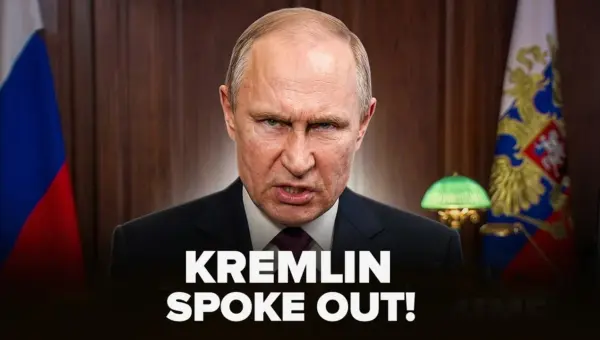
Russia Admits Support for Iran Amid Regional Tensions
Russia has openly admitted its supportive stance towards Iran, stating it would consider providing assistance if requested. This announcement comes amidst escalating regional tensions, including a deadly strike in Kharkiv, Ukraine, and an Iranian drone attack in Bahrain.
Trump Iran Case Doubts Emerge on Nuclear Claims
New reporting suggests the Trump administration's justifications for action against Iran, particularly regarding its nuclear program, may be based on misrepresented information. Experts reportedly told MSNBC that a key Iranian reactor cited by the administration lacks the capacity to produce nuclear weapons, and the administration has yet to provide evidence to Congress.


Trump Demands ‘Guts’ in Warzone, Sons Profit from Drone Boom
Donald Trump's call for Iran's unconditional surrender ignited market fears, contrasting sharply with historical precedents and his own subsequent softened rhetoric. Amidst rising tensions, Trump urged commercial mariners to "show some guts" in the Strait of Hormuz, while his sons expand their investments in the drone sector.