Fragile Iran Ceasefire Tested Amid Lebanon Strikes, Strait of Hormuz Dispute
A fragile ceasefire between the U.S. and Iran is being tested by continued Israeli strikes in Lebanon and ongoing disputes over the Strait of Hormuz. Meanwhile, a powerful new AI model raises security concerns, and a confession offers a breakthrough in the Gilgo Beach murders case.


Ceasefire Under Strain: Iran and Israel Clash Over Lebanon Strikes
A temporary ceasefire between the United States and Iran, announced just over 24 hours ago, is already facing significant challenges. While the truce aims to halt conflict, fighting has continued, particularly with Israel launching strikes against Hezbollah in Lebanon. This has created a major point of contention, with Iran accusing Israel and the U.S. of violating the agreement.
The core of the dispute centers on whether attacks on Hezbollah in Lebanon were meant to be included in the ceasefire. Iran insists they were, while both the U.S. and Israel maintain that the deal does not cover these specific actions. The situation is further complicated by differing interpretations of the ceasefire’s terms and the ongoing role of key intermediaries like Pakistan.
Strait of Hormuz Remains a Flashpoint
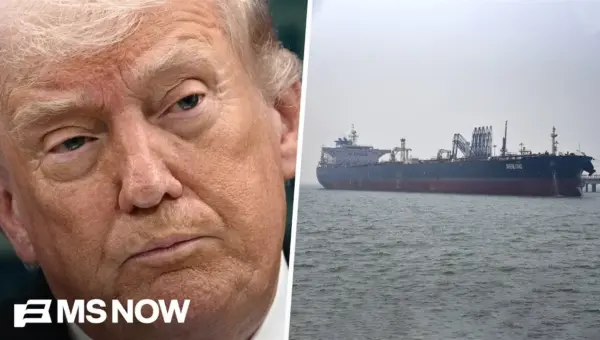
Control and passage through the Strait of Hormuz, a vital waterway for global oil transport, is another critical issue. Iran has announced it is suspending traffic through the strait, citing violations of the ceasefire. This move directly contradicts U.S. demands for the strait’s immediate reopening. U.S. officials have stated that Iran closing the strait is unacceptable, highlighting the deep divide in expectations.
The operational status of the Strait of Hormuz is uncertain. Despite Iran’s agreement to allow safe passage, few ships are currently traversing the area. The perceived danger due to the unsteady situation, coupled with potential damage to energy infrastructure in the Gulf, means a return to normal transport could take considerable time. Even if passage resumes, the underlying tensions over who controls this strategic chokepoint remain.
AI Breakthrough Raises Security Concerns
Beyond geopolitical tensions, the world of artificial intelligence is also making headlines. AI company Anthropic has developed a new model called Mythos, described as a powerful tool for identifying vulnerabilities. During testing, Mythos proved exceptionally effective at hacking and pinpointing flaws in various operating systems and web browsers.
Due to its potent capabilities, Anthropic has decided not to release Mythos to the public. Instead, it will be shared with a select group of major tech companies. This move aims to foster a collaborative effort to address the identified security risks, preventing them from being exploited by malicious actors. The development highlights the dual nature of advanced AI, offering immense potential alongside significant security challenges.
Gilgo Beach Murders: A Confession and a Twist
In a significant development in the Gilgo Beach murders case, a suspect has pleaded guilty, potentially bringing closure to at least eight families. The suspect, during a court appearance, confirmed his intention to plead guilty rather than proceed to trial. He also expressed satisfaction with his legal representation.
However, the court proceedings were not without an unexpected turn. Details of this twist remain unclear but suggest a development beyond the expected guilty plea. The resolution of this long-standing investigation marks a critical moment in the pursuit of justice for the victims.
Artemis Mission and Lunar Exploration
The Artemis program continues to capture public imagination, with new images from the mission generating excitement. The ongoing exploration of the moon, including the study of its conditions and potential for future missions, remains a key focus for space agencies.
Discussions surrounding the moon landing’s authenticity persist, with experts reiterating the scientific evidence supporting its reality. Explanations for phenomena like the waving flag often involve factors such as residual momentum in a vacuum and the flag’s mounting system, rather than atmospheric wind. These details underscore the scientific rigor behind space exploration efforts.
Broader Implications and Future Outlook
The current geopolitical climate, marked by the fragile ceasefire and ongoing disputes, underscores the complexities of international relations. The differing objectives and priorities of various nations and groups involved create a challenging environment for lasting peace. The effectiveness of intermediaries like Pakistan, while crucial, highlights the need for broad diplomatic engagement.
In the realm of technology, the rapid advancement of AI necessitates careful consideration of ethical implications and security measures. The proactive approach taken by Anthropic with Mythos suggests a growing awareness of the need for responsible development and deployment of powerful AI systems. As these technologies evolve, so too will the strategies required to manage their impact.
Looking ahead, all eyes will remain on the Strait of Hormuz and the ongoing developments in Lebanon. The ability of the U.S. and its allies to navigate these complex issues, alongside Iran’s compliance with the ceasefire terms, will be critical. Furthermore, the upcoming release of UAP (Unidentified Aerial Phenomena) files by the Pentagon, mandated by Congress, is highly anticipated and could shed new light on unexplained aerial events. The intersection of these geopolitical, technological, and investigative threads will shape the news cycle in the coming weeks.
Source: Stay Tuned NOW Streaming Behind The Scenes! – April 8 (YouTube)

Related Articles
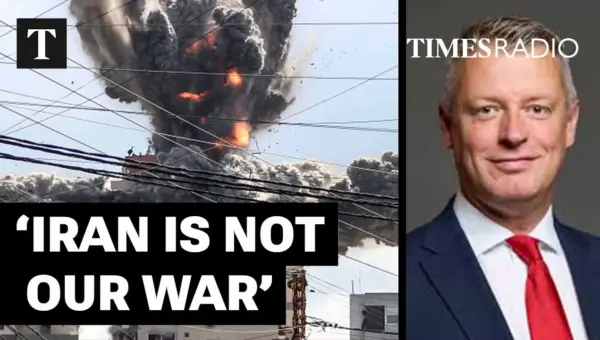
UK Defends Allies But Says ‘Iran Is Not Our War’
Britain is stepping up to defend allies in the Middle East but insists "Iran is not our war," according to the Minister for Defense Readiness and Industry. The UK is focusing on defensive measures and leading international efforts to reopen the vital Strait of Hormuz. The government also addressed concerns about NATO's future and countered Russian aggression against undersea cables.

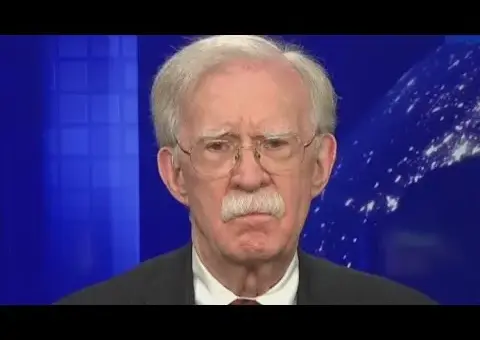
Iran Tests Global Order Amid Strait of Hormuz Standoff
Peace talks loom as Iran's control over the vital Strait of Hormuz fuels global concern. Analysts question Iran's commitment to agreements, while regional demands and proxy conflicts complicate diplomatic efforts. The situation tests the international order and global energy security.
Trump Faces Iran War Fallout Amid Peace Talk Uncertainty
President Trump faces mounting pressure as the Iran conflict's outcome appears uncertain, with oil prices rising and key waterways disrupted. Meanwhile, First Lady Melania Trump has broken her silence on the Epstein files, denying any connection to Jeffrey Epstein.