Fox News Stumbles: Wrong Footage Fuels Apology Tour
Fox News issued live apologies after airing incorrect footage twice in two days. The incidents, involving coverage of a dignified transfer and geopolitical tensions, have sparked debate over journalistic accuracy and the deliberate shaping of public narratives.

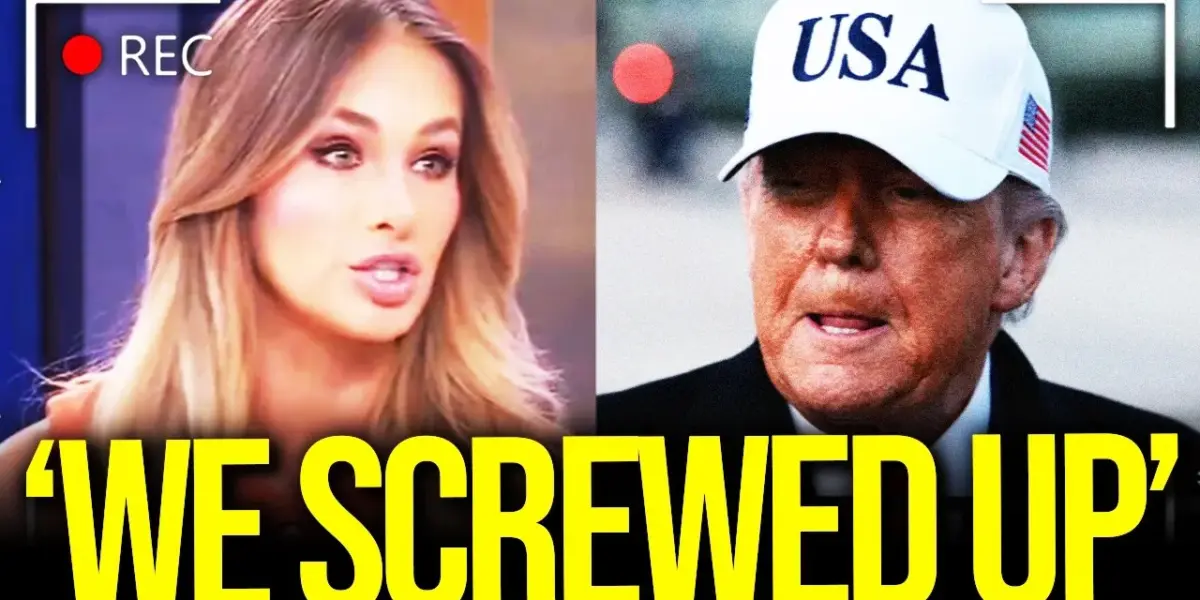
Fox News Stumbles: Wrong Footage Fuels Apology Tour
In a peculiar series of broadcast errors, Fox News found itself in the uncomfortable position of issuing live on-air apologies for airing incorrect footage on two separate occasions. The incidents, which occurred during coverage of a dignified transfer of fallen U.S. soldiers and discussions surrounding geopolitical tensions, have raised questions about journalistic accuracy and the deliberate shaping of public narratives.
The Dignified Transfer Debacle
The first incident involved the coverage of a dignified transfer ceremony honoring six U.S. service members killed in Kuwait. While former President Donald Trump attended the solemn event, Fox News initially aired footage from an older, unrelated ceremony. The network then issued an apology, stating they had “inadvertently aired video from an older dignified transfer.” The apology acknowledged the error and extended condolences to the families of the fallen heroes.
However, the transcript suggests skepticism regarding the nature of the error, implying it could have been intentional to obscure details about Trump’s attire – specifically, a baseball cap worn during the actual event, which the transcript contrasts with the older footage.
Geopolitical Tensions and Misinformation
The second instance of airing incorrect footage, or at least presenting a misleading narrative, occurred during discussions about escalating tensions with Iran. During a segment featuring commentator Caroline Levit, the discussion pivoted to the economic implications of potential conflict. Levit downplayed the impact of rising oil prices, attributing them to “short-term disruption” and suggesting that removing the “rogue Iranian regime” would ultimately benefit the oil industry. She linked the current situation to President Trump’s “American energy dominance agenda.”
This portrayal was challenged within the transcript, which highlighted a significant 27% increase in oil prices over seven days and a 50% increase since the beginning of the year. The analysis argued that such price hikes, coupled with existing economic pressures like tariffs and healthcare costs, represent a substantial burden on American families, contradicting the notion of a “slight increase.” The transcript also posited that the public did not sign up for a war with Iran that would lead to such economic disruption.
Interrogating Policy and Warmongering
The analysis then shifted to a segment where Fox News host Maria Bartiromo engaged with Senator Lindsey Graham. Bartiromo pressed Graham on the economic costs of the escalating situation with Iran, citing the daily expenditure and the proposed defense budget increases. She questioned how these costs would be justified, especially in light of reported significant increases in oil prices.
Graham’s response, described as “slurring” and characteristic of “full neocon warmongering,” framed the conflict as a “good investment” to prevent Iran from acquiring nuclear weapons. He expressed confidence in the eventual downfall of the Iranian regime and suggested that the United States and its allies should actively seek the regime’s collapse. He also advocated for allies like the United Arab Emirates and Saudi Arabia to join the fight, a stance that the transcript argues would likely lead to further disruption of the Strait of Hormuz and exacerbate oil price spikes.
The transcript drew parallels between Graham’s rhetoric and the “Holden Bloodfeast meme,” a decade-old internet phenomenon depicting an elderly senator obsessed with nuking Iran. This comparison aimed to highlight what the analysis perceived as an extreme and almost gleeful eagerness for conflict and destruction, divorced from the practical consequences for the American public.
The Nuance of Regime vs. People
The analysis made a crucial distinction between the Iranian regime and its citizens. It unequivocally condemned the regime for its “despicable” repression of its people for over 40 years, while emphasizing that the desire for liberation should extend to the Iranian populace. The criticism directed at Graham was not an endorsement of the Iranian regime, but rather a rejection of his seemingly indiscriminate calls for military action that could have devastating humanitarian and economic repercussions.
Economic Realities and Political Messaging
The discussion also touched upon the White House’s efforts to manage the public perception of rising energy prices. An exchange between Shannon Bream and Energy Secretary Christopher Wright highlighted reports of officials being pressured to find “good news” to counter the narrative of escalating costs. Wright dismissed these reports as “fiction,” but the transcript countered that the significant price increases since the beginning of the year and the month suggested otherwise.
Why This Matters
The repeated airing of incorrect footage by a major news network, even if followed by apologies, erodes trust and raises concerns about the integrity of information presented to the public. The alleged intention behind these errors – to manipulate perceptions of political figures or events – is a serious accusation that, if true, speaks to a deliberate strategy of misinformation. Furthermore, the commentary on the geopolitical discussions, particularly the hawkish rhetoric surrounding the Iran conflict, underscores the critical need for nuanced reporting that balances national security concerns with economic realities and the potential human cost of war. The analysis presented suggests a concerning trend of warmongering rhetoric being amplified, potentially without adequate consideration of the broader implications for American citizens and global stability.
Implications, Trends, and Future Outlook
This incident highlights a broader trend in media consumption where the lines between objective reporting, opinion, and propaganda can become blurred. The reliance on visual media, coupled with the speed of news cycles, creates opportunities for errors, both accidental and intentional, to spread rapidly. The analysis suggests that the increasing polarization of political discourse may incentivize news outlets to either inadvertently or deliberately present information that aligns with specific political agendas. The future outlook for media trust hinges on a commitment to accuracy, transparency, and a willingness to critically examine narratives, even those presented by established institutions.
Historical Context and Background
The discussion about war with Iran and the economic implications echoes historical debates surrounding U.S. foreign policy and military interventions. The post-9/11 era, in particular, saw increased scrutiny of the justifications for war and the influence of the military-industrial complex. The mention of a “2005-esque” approach by commentators like Caroline Levit points to a perceived return to the foreign policy debates and media strategies prevalent during the lead-up to the Iraq War, characterized by a strong emphasis on regime change and often downplaying economic consequences.
The transcript also implicitly references the long-standing tensions between the U.S. and Iran, including concerns about Iran’s nuclear program and its regional influence. The debate over how to address these issues – through diplomacy, sanctions, or military action – has been a recurring theme in U.S. foreign policy for decades.
Source: WOAH: Fox Host FORCED to Apologize FOR THIS (YouTube)

Related Articles
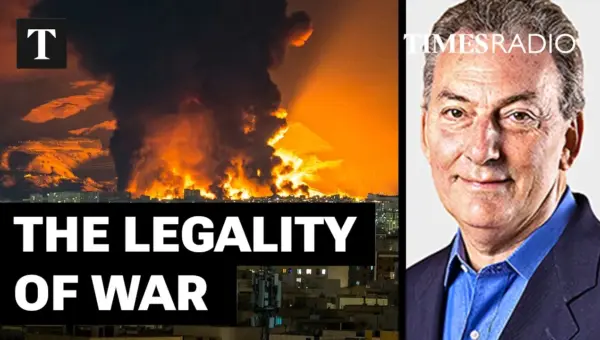
Trump’s Iran Attack: Legal or Illegal War? Experts Weigh In
Experts are questioning the legality of the US-led offensive in Iran, noting that true 'legal gold standard' wars, authorized by UN Security Council resolutions, are exceptionally rare. The conflict's objectives, potential for internal unrest in Iran, and the differing strategies between the US and Israel are under intense scrutiny as the situation develops.

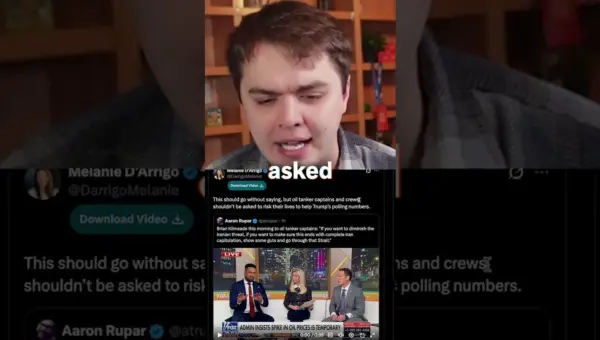
Fox News Urges Tankers to Risk Lives, Sparking Outrage
Fox News host Brian Kilmeade's suggestion that oil tankers should sail through war zones to diminish threats has sparked outrage. Critics argue this encourages mariners to risk their lives for political gains, raising ethical and safety concerns.
Iran Conflict Backfires: Trump’s War Fuels Unrest, Profits
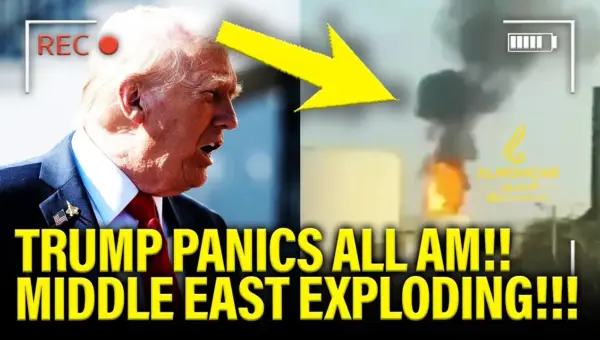
Donald Trump's approach to Iran is reportedly backfiring, fueling public unrest in Tehran and sparking accusations of family members seeking to profit from a new drone company. The conflict's economic impact is evident with disruptions to oil infrastructure, while political rhetoric focuses on internal divisions.