Fox News Reacts to Trump’s Speech: A Divided Network
Fox News personalities debated Donald Trump's recent speech, revealing sharp divisions on its effectiveness and implications for U.S. foreign policy. Discussions centered on the role of NATO, with some commentators questioning the value of alliances and calling for a re-evaluation of America's commitments.

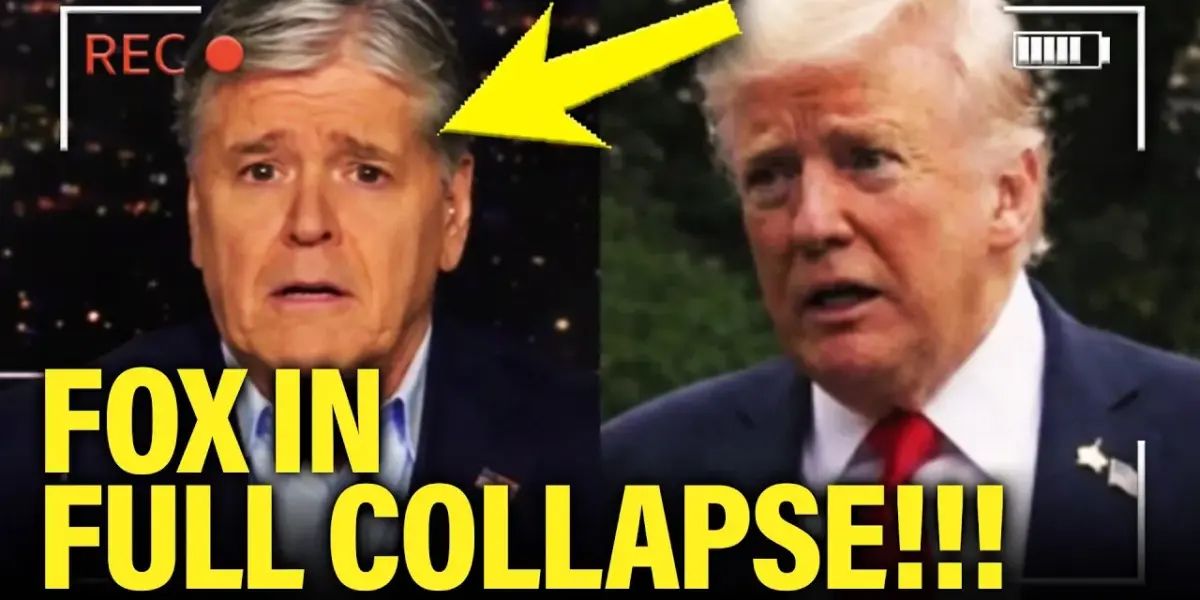
Fox News Analysts Debate Trump’s Address, NATO’s Role
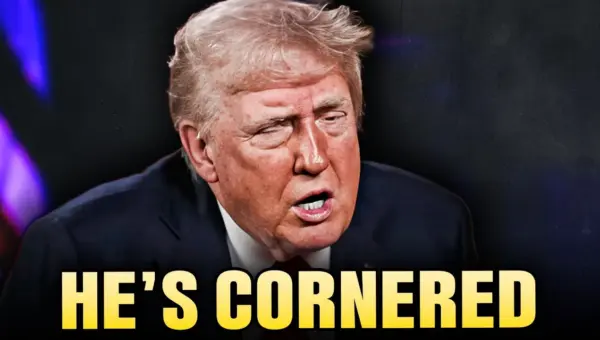
Following a recent address by Donald Trump, discussions erupted on Fox News, revealing a network grappling with how to interpret the speech and its implications. While some commentators praised the address, others focused on its perceived lack of clear direction and its potential impact on international relations, particularly concerning NATO.
Assessing the Speech’s Impact
The immediate aftermath of Donald Trump’s speech saw varied reactions among Fox News personalities. Some, like Mark Levin, described it as the “best speech ever,” suggesting a strong positive reception. However, the video transcript highlights a different perspective from others, who felt the speech was underwhelming or failed to provide crucial details.
Sean Hannity, for instance, noted the absence of a specific timeline for military objectives, though he acknowledged that Trump did speak about wrapping up operations within “the next two to three weeks.” This comment, along with others, suggests a tension between supportive commentary and objective analysis of the speech’s content and clarity.
The report found serious problems and suggests new rules that would affect all holders.
Questions Raised About NATO and Alliances
A significant portion of the discussion revolved around NATO and America’s role within the alliance. Lindsey Graham voiced strong opinions, suggesting a need to “get rid of NATO” and expressing disappointment with European allies. He argued that these allies did not provide sufficient support during a critical period, making operations harder and putting American lives at greater risk.
Graham specifically mentioned the Strait of Hormuz and questioned why NATO allies were not more proactive in ensuring its security. He felt that the United States was shouldering too much of the burden, especially in dealing with threats from Iran, which he described as a “cancer” and the “largest state sponsor of terrorism.”
Jesse Watters echoed these sentiments, expressing significant disappointment with NATO. He detailed historical instances where he believed the U.S. had heavily supported European nations, only to find a lack of reciprocal action when needed. Watters pointed out that NATO is a defensive alliance, yet America often acts unilaterally, and allies seem unwilling to assist in critical moments, like securing airspace or naval passage for operations against terrorism.
Criticism of Allies and Call for Re-evaluation
The idea that allies were not pulling their weight was a recurring theme. Marco Rubio also questioned the value of NATO if allies denied the U.S. access to military bases during times of need. He suggested that after the current conflict concluded, the relationship with NATO would need to be re-examined, implying a potential shift in U.S. foreign policy and alliance commitments.
The sentiment that the U.S. was not receiving adequate support from its allies was contrasted with the perceived burden placed upon American taxpayers and military personnel. This perspective suggests a growing internal debate within the U.S. about the benefits and costs of its long-standing international partnerships.
Concerns Over Economic and Geopolitical Stability
Beyond military and alliance discussions, the economic implications were also touched upon. The potential impact of oil supply shocks on European economies was mentioned, alongside the idea that allies were not contributing enough to stabilize global energy markets. The speech’s effect on markets was also noted, with some suggesting a negative reaction, though the transcript did not provide specific data on this.
Jessica Tarlov offered a counterpoint, highlighting President Trump’s approval ratings and public perception of his economic policies. She cited polls showing significant dissatisfaction with his administration’s handling of the economy, suggesting that such low approval numbers are “unsustainable.” Tarlov also raised critical questions about the potential for the U.S. to withdraw from NATO, noting that such a move would require Senate approval, a fact acknowledged by figures like Marco Rubio.
The Role of Media and Public Perception
The commentary also touched upon how such events are perceived by different audiences, including adversaries. Dana Perino suggested that the Iranians might not hear Trump’s speech, implying a lack of reach or impact. However, the counter-argument presented was that Iranian social media might actually use Trump’s speeches as propaganda to rally their own people, showcasing how political messaging can be repurposed by opposing sides.
The discussion also veered into more personal and controversial territory, with commentary on Gavin Newsom’s public persona and, notably, allegations concerning Kristy Noem’s husband. These segments, while part of the broader Fox News discussion, detracted from the core foreign policy and national security themes, raising questions about the network’s editorial focus and the use of personal matters in political discourse.
Why This Matters
The debate on Fox News reflects a broader conversation happening within the United States about its role in the world and the nature of its alliances. The questioning of NATO’s relevance and the calls for allies to contribute more significantly highlight a potential shift in American foreign policy thinking. This re-evaluation could have profound implications for global security architecture, impacting everything from defense spending to international cooperation on issues like trade and climate change.
Implications and Future Outlook
If the U.S. were to significantly reduce its commitment to NATO or other alliances, it could embolden adversaries and create power vacuums in various regions. Conversely, a more transactional approach to alliances, focused purely on immediate national interest, could lead to a more fragmented and less stable international order. The differing viewpoints within Fox News suggest that even within a generally supportive media environment, there is no single, unified approach to these complex issues.
The future outlook depends heavily on the decisions made by U.S. leadership and the responses of international partners. The ongoing discussions about burden-sharing, strategic priorities, and the very definition of national security will continue to shape alliances and global dynamics for years to come.
Historical Context
The post-World War II era saw the creation of alliances like NATO as a bulwark against Soviet expansion. These alliances have evolved over time, adapting to new threats and challenges. However, periods of introspection and debate about their cost-effectiveness and strategic value are not new. What is notable in the current discussion is the direct questioning of the fundamental premise of collective security and the role of the United States as a guarantor of that security.
The Marshall Plan, mentioned in the transcript, is a historical example of U.S. investment in European recovery, which helped forge strong post-war ties. The current debates about whether these ties have become unbalanced or are no longer serving U.S. interests represent a significant departure from the consensus that largely underpinned American foreign policy for decades.
Source: Fox News COLLAPSES ON AIR as Trump’s SPEECH BOMBS!!! (YouTube)

Related Articles

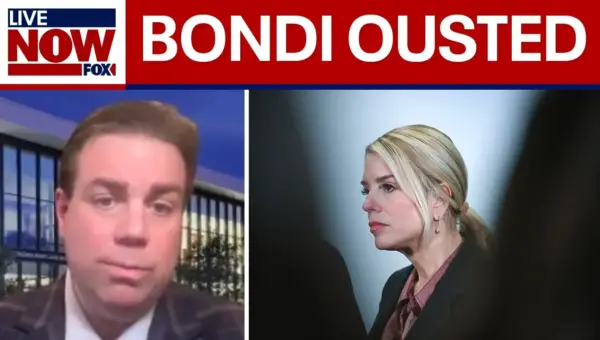
Trump Ousts AG Pam Bondi Amid Epstein File Controversy
Attorney General Pam Bondi has been ousted from her position, with President Trump confirming her departure via Truth Social. The move comes amid controversy surrounding the Jeffrey Epstein files. Deputy Attorney General Todd Blanch has been appointed acting Attorney General, while reports suggest EPA administrator Lee Zeldon is a potential successor.
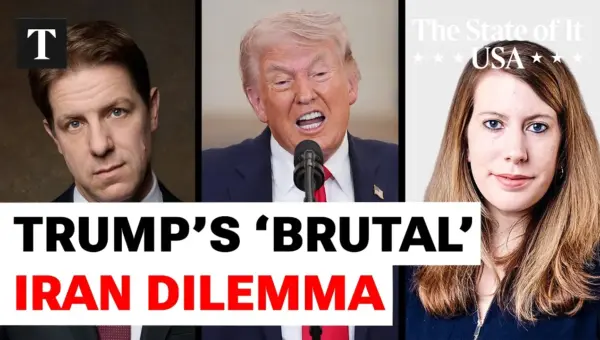
Trump Declares Iran Conflict ‘Done,’ But Doubts Linger
President Donald Trump has declared the conflict in Iran nearing its end, promising a swift conclusion within weeks. However, the administration's shifting justifications for the war and the potential for prolonged engagement are raising doubts among analysts and the public.

Abuse Accuser’s Story Gains Credibility Amidst Missing Files
A woman who accused Donald Trump of abuse has had more of her story confirmed by a newspaper, boosting her credibility. However, 30 pages of her testimony remain missing from public files, raising questions.