Fox News Defends Trump’s Iran Stance Amidst Criticism
Fox News hosts and guests have largely defended Donald Trump's strategy concerning Iran, framing his actions as crucial for global stability and economic security. Critics, however, argue that these policies have backfired, increasing regional tensions and diminishing U.S. influence.

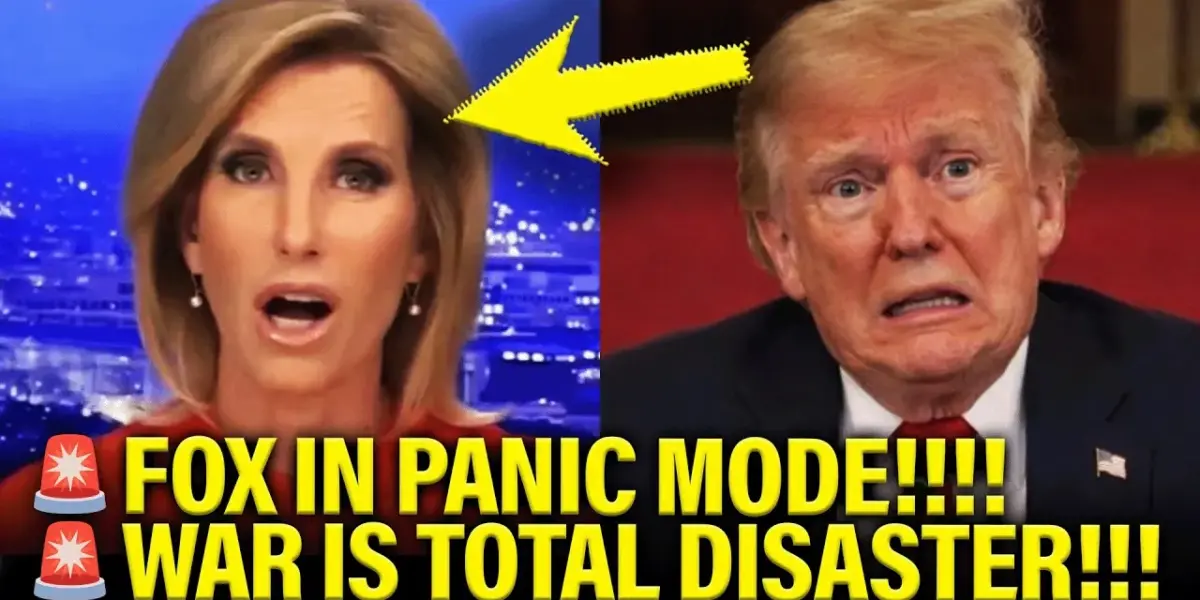
Fox News Navigates Trump’s Iran Strategy Amidst Shifting Geopolitical Tides
Recent discourse surrounding Donald Trump’s foreign policy, particularly concerning Iran and its impact on global oil markets, has highlighted a significant divergence in perspectives. While proponents, often amplified by outlets like Fox News, frame Trump’s actions as decisive and strategically brilliant, critics contend that these policies have backfired, exacerbating regional instability and weakening America’s standing.
Proponents Frame Actions as Strategic Masterstrokes
During a period of heightened tension in the Middle East, figures associated with Fox News, including Laura Ingraham, Jesse Watters, and Sean Hannity, have largely presented Donald Trump’s approach to Iran as a resounding success. Ingraham, in particular, has championed what she terms “Operation Epic Fury,” arguing that Trump’s administration has “saved the world” through strategic control of key waterways and by preventing Iran from choking off vital oil routes like the Strait of Hormuz.
“What we’re seeing in the Middle East and what we’re going to see when Donald Trump visits China is Trump has saved the world. Trump has saved the world, everybody.”
Laura Ingraham
This narrative posits that Trump’s decisive actions have thwarted potential economic nightmares, such as bad actors controlling oil routes, and have even potentially opened Californians’ eyes to the detrimental effects of radical environmentalist policies on the energy sector. Furthermore, Ingraham has called for a multinational Gulf security force, led by the U.S., to counter Iran’s threats, framing it as a necessary step to ensure stability.
Sean Hannity has also lauded Trump’s decision to release oil from the Strategic Petroleum Reserve (SPR) as a powerful move, contrasting it with what he portrays as Joe Biden’s political use of the reserve. Hannity argues that Trump’s actions are precisely what the SPR is intended for – responding to extraordinary events and ensuring the free flow of oil.
Critics Argue for a Different Reality
Conversely, critics, including those from the Midas Touch Network, vehemently dispute these claims, labeling the Fox News coverage as “regime propaganda” and “despicable conduct.” They argue that Trump’s “war against Iran” has backfired spectacularly, leading to increased regional instability and a diminished U.S. global position.
The core of the criticism lies in the perceived failure of Trump’s policies to de-escalate tensions. Critics point to ongoing Iranian aggression, including drone attacks on regional nations, which they claim overwhelm U.S. defense systems like THAAD and Patriot. They also argue that Trump’s actions have united the Iranian people and the Shiite community against the United States, exacerbating sectarian issues throughout the Middle East.
The strategy of releasing oil from the SPR is also met with derision. Critics argue that draining reserves during a period of rising oil prices is counterproductive and akin to bankruptcy, a metaphor they extend to Trump’s past business dealings. They question the efficacy of releasing a relatively small amount of oil that does little to offset global demand while depleting strategic reserves.
Geopolitical Implications and Future Outlook
The debate extends to the broader geopolitical landscape, particularly concerning U.S.-China relations. While proponents like Kevin McCarthy suggest Trump’s actions are reshaping the world order to America’s advantage and that he will confront Xi Jinping from a position of strength, critics see a vastly different picture.
Critics argue that China’s influence has grown under Trump, with Xi Jinping never being more powerful internationally. They point to a perceived U.S. withdrawal from global commitments, such as the removal of THAAD and Patriot systems from South Korea and wavering support for Taiwan, as evidence of America’s declining influence. The planned visit to China is framed not as a show of strength, but as a potentially embarrassing spectacle for a weakened United States, with Chinese state media actively mocking Trump and U.S. disorganization.
Historical Context and Underlying Narratives
The discussion is framed within a broader context of U.S. foreign policy in the Middle East, particularly regarding Iran. The establishment of the Strategic Petroleum Reserve in 1973, following the Arab oil embargo, serves as a historical anchor for arguments about its intended use. Critics of Trump’s actions also evoke past U.S. interventions and their unintended consequences, suggesting a pattern of policies that alienate allies and empower adversaries.
The narrative from critics is one of a “Ponzi scheme” in policy, where promises of future benefits are used to mask present failures and ongoing harm. They characterize the proponents of Trump’s policies as “demonic” and “evil,” accusing them of harming the country and future generations through “despicable conduct” and “horrible propaganda.” This highly charged language underscores the deep ideological chasm in interpreting these events.
Why This Matters
The differing interpretations of Trump’s foreign policy, particularly concerning Iran and its impact on global energy markets, are crucial for understanding the current geopolitical landscape. The debate highlights fundamental disagreements on how to project American power, manage international relations, and respond to threats. The narrative war waged by media outlets on both sides shapes public perception and influences political discourse, with significant implications for U.S. foreign policy decisions, regional stability, and global economic health. The underlying claims about the effectiveness of military action, the role of economic sanctions, and the U.S. role as a global leader are central to these discussions. The future outlook will likely depend on how these conflicting narratives evolve and whether diplomatic or confrontational approaches ultimately prevail in managing the complex relationship with Iran and its impact on global energy security.
Conclusion
The discourse surrounding Trump’s approach to Iran, as presented through the lens of Fox News and its critics, reveals a stark contrast between perceived strategic triumphs and alleged disastrous failures. While proponents emphasize decisive action and long-term benefits, critics point to immediate negative consequences and a weakened U.S. global standing. This ongoing debate underscores the profound impact of media framing on public understanding of complex international issues and the enduring challenges in navigating volatile geopolitical terrain.
Source: Fox News COLLAPSES ON AIR as Trump’s WAR BACKFIRES!!! (YouTube)

Related Articles
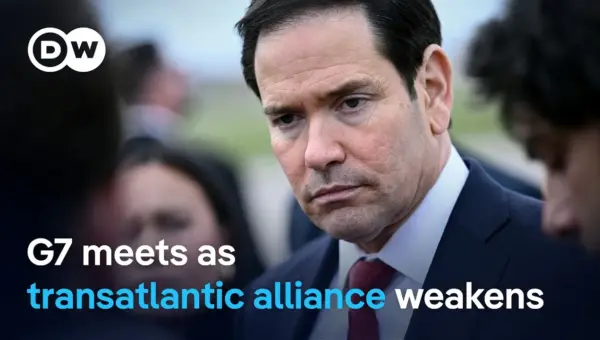
G7 Allies Clash Over Iran War Strategy, Urge Focus on Russia
G7 foreign ministers met in Paris, revealing deep divisions over the U.S. war with Iran. European allies urged the U.S. to pressure Russia, linking its actions to the conflict and fearing support for Ukraine will wane.

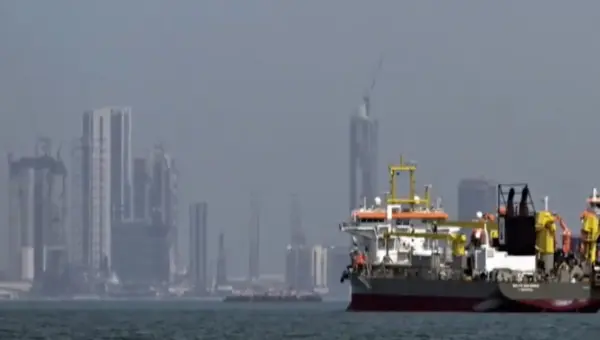
Iran Blocks China Ships, Exposing Beijing’s Weak Grip
Iran's recent decision to block Chinese ships at the Strait of Hormuz is exposing the limits of Beijing's influence in the Middle East. This action is causing delays and cancellations for Chinese manufacturers, turning a perceived geopolitical win into an economic strain.
Rubio: US Can Achieve Iran War Goals Without Troops
Senator Marco Rubio outlined a strategy to counter Iran without deploying U.S. ground troops, focusing on weakening the regime and enhancing maritime security. He also criticized Cuba's economic system and expressed concerns about West Bank violence.