Former UK Ambassador Dismisses Trump’s Iran Threat Claims as ‘Bogus’ Amid Rising Regional Tensions
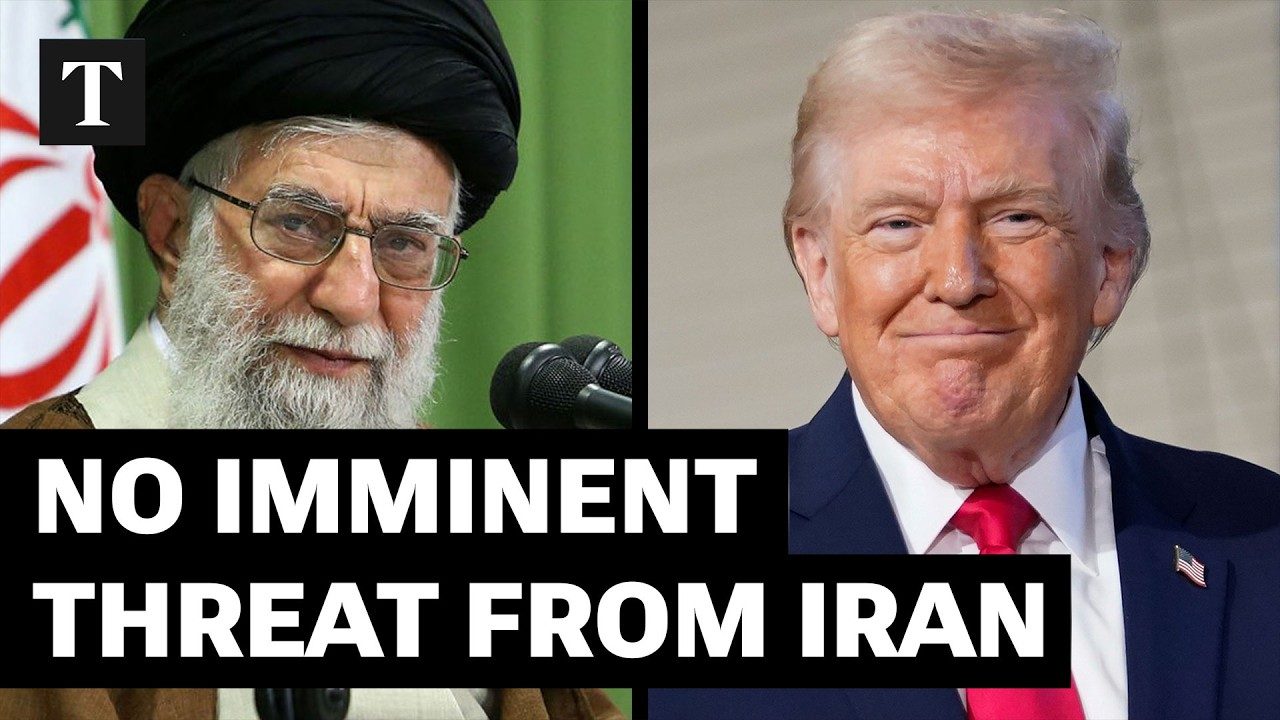
Former UK Ambassador to Iran Sir Richard Dalton has strongly criticized President Trump's claims of an imminent Iranian threat as 'bogus,' arguing there is no case for suggesting Iran poses a real threat to the United States or its allies. His comments come as tensions escalate following Trump's 10-day ultimatum to Iran for a nuclear deal.

Diplomatic Pushback Against Military Escalation
Former UK Ambassador to Iran Sir Richard Dalton has delivered a scathing assessment of President Trump’s recent claims regarding Iranian threats, dismissing them as fundamentally false and warning against military escalation in the Middle East. Speaking during a television interview, Dalton argued that the United States risks creating a “bogus narrative” about Iran’s intentions while the region faces increasingly volatile circumstances.
The diplomatic veteran’s comments come at a critical juncture, with President Trump issuing what amounts to a 10-day ultimatum for Iran to agree to a nuclear deal, while Iranian officials have warned of “decisive response” to any American military aggression. This escalating rhetoric has raised concerns about the potential for armed conflict in an already unstable region.
Questioning the Foundation of Military Action
Dalton’s most pointed criticism centered on Trump’s justification for potential military action against Iran. “There is no case to make that there is an imminent and real threat to the United States and to other countries from an unprovoked attack by Iran,” the former ambassador stated emphatically. He characterized Trump’s threat assessment as part of a deliberate effort to create a false narrative that could justify military intervention.
This assessment directly challenges the Trump administration’s positioning on Iran, which has included suggestions that the country poses a significant threat to American interests and regional stability. Dalton argued that such claims lack substantive evidence and appear designed to build public support for potential military action.
Nuclear Negotiations in Limbo
The current diplomatic situation regarding Iran’s nuclear program remains highly uncertain, according to Dalton’s analysis. He noted that American negotiators had to suspend talks to address the ongoing crisis in Ukraine, highlighting the complex web of international challenges facing the United States. Despite Trump’s 10-day deadline, Dalton suggested that meaningful negotiations require significantly more time to address the technical complexities involved.
“The devil is in the detail of how you regulate control and limit Iranian nuclear activities and how you complete the transfers overseas of highly-enriched material,” Dalton explained, emphasizing the intricate nature of nuclear diplomacy. He expressed skepticism about whether the Trump administration is genuinely committed to serious negotiations, pointing to the president’s history of abandoning diplomatic processes in favor of military action.
Historical Context and Failed Agreements
The former ambassador provided crucial historical context, noting that “Iran has always been willing to negotiate limitations on its nuclear activities.” He specifically referenced the nuclear agreement that was in place until the United States “foolishly unilaterally withdrew in 2017 and 2018,” referring to Trump’s previous decision to abandon the Joint Comprehensive Plan of Action (JCPOA) negotiated under the Obama administration.
This historical precedent raises questions about the reliability of any new agreement with the current administration, particularly given Trump’s track record of reversing diplomatic achievements. Dalton suggested that an “updated version” of the previous agreement with “additional measures” might represent the best path forward, but noted significant obstacles remain.
The Missile Program Stalemate
One of the most significant challenges to any potential agreement involves Iran’s missile program, which Dalton identified as a likely deal-breaker. He argued that Iran’s missile capabilities serve as “Iran’s sole means of defending its independence and national sovereignty” in the absence of modern conventional weaponry due to international arms embargoes.
The former ambassador suggested that while Iran might consider “limiting the range of certain missiles,” complete dismantlement of the program remains unlikely. This creates a fundamental impasse, as the United States and Israel have made missile program restrictions a key demand in any comprehensive agreement.
UK’s Legal and Diplomatic Position
Dalton strongly endorsed UK Prime Minister Keir Starmer’s decision to refuse American requests to use British military bases for potential attacks on Iran. He argued that such a decision aligns with international law, which requires “a real and imminent threat from the country being aimed at in order to justify a preemptive attack.”
“It is high time that the medium powers of the world stood up against the United States and Israel’s unilateral determination” to ignore fundamental rules of international relations, Dalton stated. He emphasized that these principles were “laid down after the immense sacrifices of our fathers and grandfathers in two world wars” and should not be abandoned lightly.
Regional Stability and Competing Narratives
Addressing arguments that Iran needs to be “reined in” due to its support for groups like Hezbollah and Hamas, Dalton presented a contrasting perspective on regional dynamics. He pointed to recent developments, including Israeli and American attacks on Iranian allies and the fall of Syrian President Assad, Iran’s key regional partner.
“The threats to stability in the region that we see at present come more from the United States and Israel than they do from Iran,” Dalton argued, directly challenging conventional Western narratives about regional security threats. This assessment reflects a broader debate about responsibility for Middle Eastern instability and the effectiveness of military solutions to complex political problems.
Implications for International Relations
The former ambassador’s intervention represents a significant diplomatic voice challenging the trajectory toward potential military conflict. His emphasis on international law and multilateral approaches to regional security issues reflects broader concerns about unilateral military action and its consequences for global stability.
As tensions continue to escalate, Dalton’s warnings about the risks of “prolonged Iranian response” and the potential for conflict to “spill over in many uncontrollable ways” serve as a sobering reminder of the stakes involved in current diplomatic and military calculations in the Middle East.
Source: Trump’s Claims Of Imminent Threat From Iran Are ‘Bogus’ Says Former Ambassador (YouTube)

Related Articles

Trump’s Shifting Iran Stance: From Dealmaker to War Talk
President Trump's rhetoric on Iran has undergone a significant shift, contrasting his past calls for diplomacy with recent threats of military action. This shift follows a period of escalating tensions, withdrawal from the Iran nuclear deal, and renewed indirect negotiations.

Germany on US-Israel Strikes: No “Lecturing” Partners
Germany's Chancellor Scholz calls on Iran to end its attacks and nuclear program but refrains from "lecturing" US-Israel on international law regarding recent strikes. Berlin increases security for Jewish institutions amid fears of retaliation.

Trump Saw Iran Strike as ‘Too Good to Pass Up,’ Says Ex-Chief of Staff
Former White House Chief of Staff Mick Mulvaney revealed that the Trump administration viewed the strike on Iran not as a planned initiative, but as a unique opportunity that was "too good to pass up." He discussed the confluence of factors leading to the decision and drew parallels to past interventions, suggesting a preference for targeted actions over prolonged conflicts. The potential economic impact, particularly on oil prices, was also a key consideration.