Former Trade Envoy Chief Reveals How He Asked Prince Andrew to Step Down from Role
Lord Jonathan Marland reveals he personally asked Prince Andrew to step down from his trade envoy role to implement a more commercially-focused network. The former trade envoy chief discusses the strategic restructuring of UK trade diplomacy and raises concerns about Britain's diminished global influence.

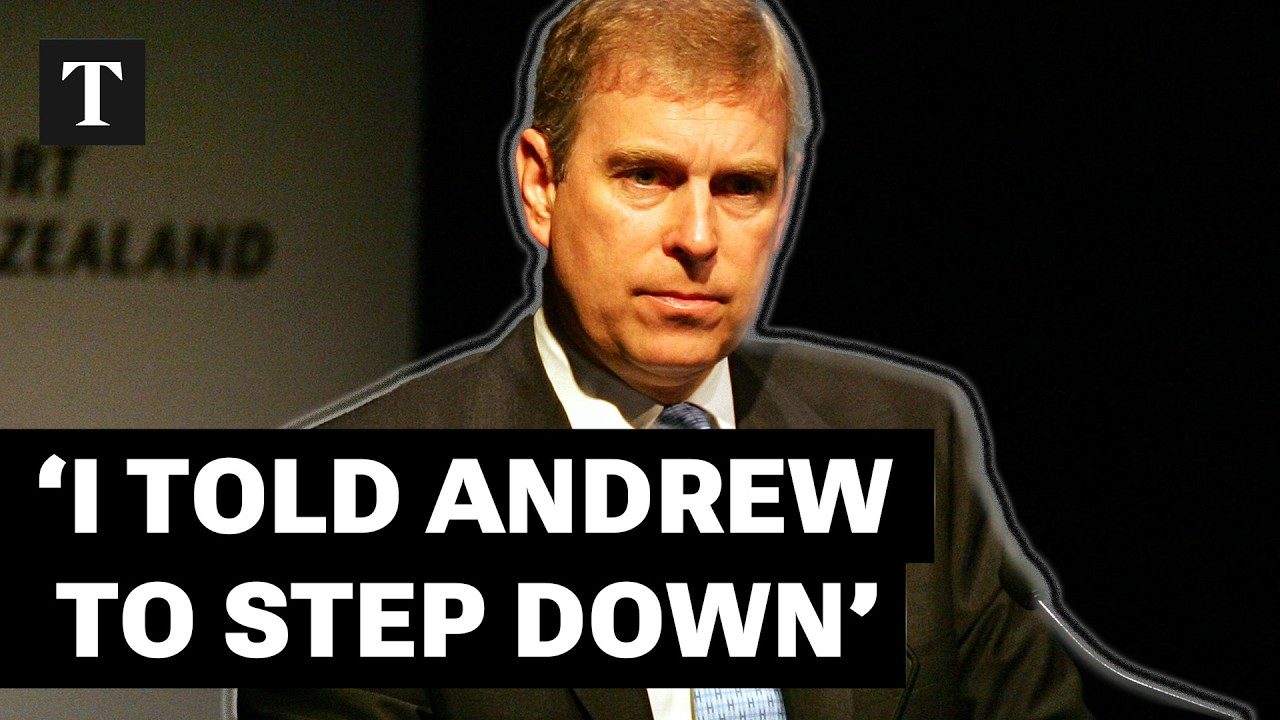
Lord Jonathan Marland, who oversaw the UK’s trade envoy network under David Cameron’s government, has revealed that he was personally tasked with asking Prince Andrew to step down from his trade envoy role to make way for a more structured and ambitious trade program.
The Origins of a New Trade Strategy
Speaking in a recent interview, Lord Marland explained that Prince Andrew’s original role was not properly integrated with the business side of government and was more aligned with Foreign Office activities. “His role was not really tied in with the business side of government. He was more relating to the foreign office. He was appointed by the queen as far as I remember and I was asked to go down and ask him to stand down because I had an ambitious plan for the trade envoy network,” Marland stated.
The restructuring represented a significant shift in how the UK approached international trade promotion, moving from a more ceremonial model to one focused on commercial expertise and targeted country-specific strategies.
Building a Commercial-Focused Network
Lord Marland’s vision for the reformed trade envoy network was built around selecting individuals with substantial commercial experience and assigning them to specific countries with high growth potential. The network was designed to be cross-party, reflecting what Marland called “the benefit of UK plc.”
“These were impact players as I used to call them,” Marland explained, citing examples such as “David Putnam Lord Putnam the great movie maker, Baroness Scotland who’d been attorney general, myself, others so they were all given dedicated countries of which to be the trade envoy and develop business and trade.”
The strategic decision to choose members of the House of Lords was deliberate. Unlike MPs, peers “didn’t have to rush off to surgeries, didn’t have to be defined by a whip” and crucially “did have commercial experience which is badly lacking in parliament to be honest.”
The Royal Advantage in Trade Diplomacy
Despite the restructuring, Lord Marland acknowledged that Prince Andrew brought unique advantages to the role, particularly in certain countries. “When you are abroad having a royal there is a bit of a draw isn’t it? It’s a kind of bait if you like,” he observed.
The “royal draw” effect was significant for securing high-level meetings. As Marland put it: “You can say come and meet the best qualified sort of economist from Britain to tell you exactly how the system works and people will think oh I’m washing my hair or you say come and meet royalty and have your picture taken with him and they’ll turn up and then the experts will pile in.”
Limited Access to Sensitive Information
Addressing concerns about what information trade envoys had access to, Lord Marland clarified that the role involved relatively basic commercial briefings rather than sensitive government intelligence. “I had very little government information other than BAE Systems want to sell 12 typhoons to Kuwait or the Scottish Whiskey Association wants to increase its sales to India,” he explained.
“We had no government papers of any sensitivity. Obviously, I’d been in government but it was not deemed a ministerial role when I was doing it,” Marland emphasized, suggesting that trade envoys operated with limited access to classified materials.
Concerns About Britain’s Global Standing
Lord Marland expressed broader concerns about the UK’s diminished global influence and trade capabilities. “There’s a deeper rooted thing than the royal family to be honest… it’s what is our role globally now and that’s taken a real dent,” he observed.
As chair of the Commonwealth Business Council, Marland noted that while he personally receives warm welcomes in many countries, “there’s very little evidence of the UK punching its weight in those countries to be honest.”
He described the current state of Britain’s international infrastructure as concerning: “The infrastructure that we that now exists across the world that used to be a Rolls-Royce infrastructure has crumbled and does not deliver for the UK in the same way that it did.”
The Need for Commercial Expertise
The trade envoy network was created specifically to address what Marland saw as a fundamental weakness in the UK’s approach to international commerce. “Inevitably civil servants are not commercial people and nor should they necessarily be but business is commercial,” he explained.
“If you’re going to land the Qataris investing in London or the Olympic site you need a businessman at one end of the discussion to ensure that the terms of the deal are correct,” Marland added, highlighting the practical importance of having commercial expertise in trade negotiations.
Political Challenges and Future Reforms
While praising the early success of the reformed trade envoy network, Lord Marland acknowledged that it has since been compromised by political considerations. The system “has been watered down by political patronage,” he noted, suggesting that appointments are no longer made purely on merit and commercial expertise.
Looking ahead, Marland believes the system “probably needs a revamp” and called for serious consideration of how the UK will represent itself globally going forward. “The foreign office and the biz as they used to be called need to have a really good think about how they’re going to represent the UK globally and on what basis,” he concluded.
The revelations provide insight into both the strategic thinking behind UK trade policy and the ongoing challenges facing Britain’s international commercial diplomacy in a rapidly changing global landscape.
Source: ‘I Had To Ask Andrew To Stand Down From Trade Envoy Role’ | Lord Marland (YouTube)

Related Articles

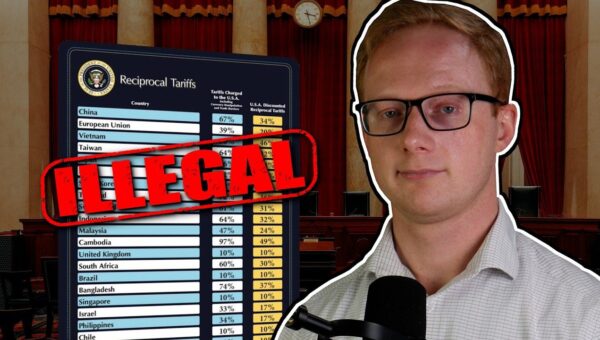
Supreme Court Strikes Down Trump Tariffs, New Levies Emerge
The U.S. Supreme Court has ruled former President Trump's AIPA tariffs illegal, but new temporary levies have been swiftly imposed. The decision impacts $175 billion in collected revenue and reshapes the future of U.S. trade policy, leaving investors to navigate a complex and evolving landscape.


Royal Arrests Spark Debate: Andrew & Mandelson Investigations
Prince Andrew and Peter Mandelson face ongoing investigations for alleged misconduct. The Times journalists Luke Jones and Man Vin Rana discuss the legal proceedings, Prince Andrew's controversial past as a trade envoy, and the broader implications for the monarchy amidst a period of intense scrutiny.


Supreme Court Curbs Presidential Tariff Powers
The Supreme Court has significantly restricted the President's power to use tariffs as a political weapon, invalidating the use of AIPA tariffs. This decision promotes more uniform and transparent trade policies, curbing the potential for arbitrary executive action and corruption.