Former President Trump’s ‘Bomb the Dust’ Remark on Iran Nuclear Sites Sparks Alarm and Scrutiny
Former President Donald Trump recently issued a controversial threat to "bomb the dust" at Iranian nuclear sites, asserting that previous strikes had already obliterated them. This remark has reignited concerns over his approach to Iran, particularly in light of his administration's withdrawal from the Joint Comprehensive Plan of Action (JCPOA) and the subsequent escalation of tensions. The statement has drawn sharp criticism, prompting questions about the rationale and implications of such aggressive rhetoric.

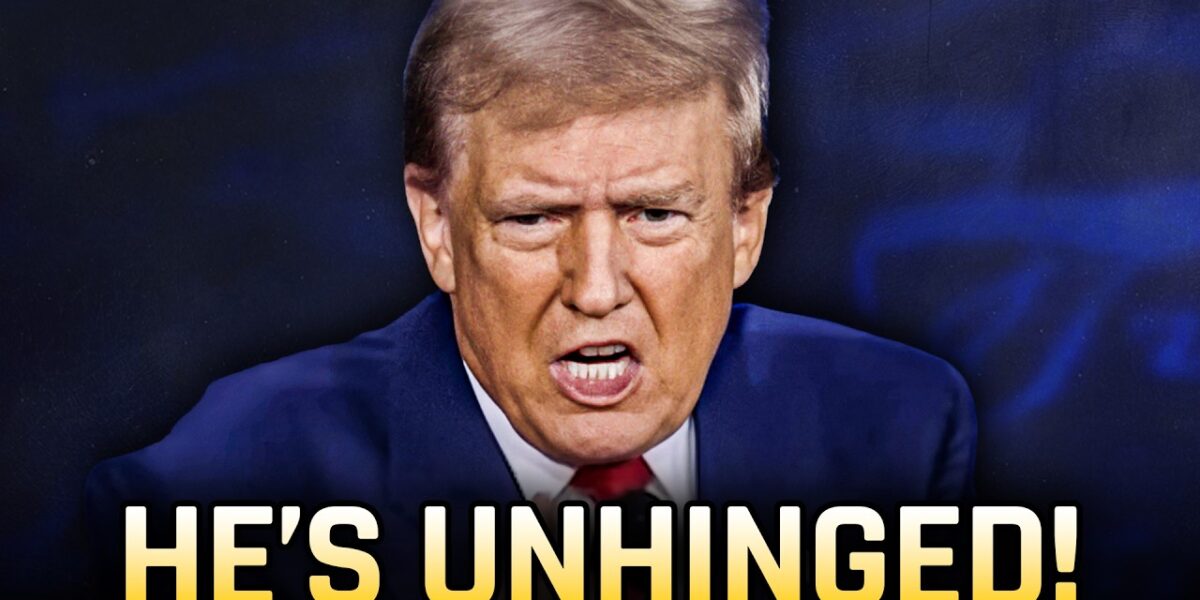
Former President Trump’s ‘Bomb the Dust’ Remark on Iran Nuclear Sites Sparks Alarm and Scrutiny
Former President Donald Trump has once again ignited a firestorm of controversy with a provocative statement regarding Iran’s nuclear facilities, threatening to ‘bomb the dust’ at sites he claims were already obliterated. The remark, made during a recent public appearance, has reignited intense debate over his foreign policy approach, the efficacy of past military actions, and the broader implications for international relations.
The Controversial ‘Bomb the Dust’ Threat
The contentious statement emerged when a reporter questioned Mr. Trump on his previous assertion that Iranian nuclear sites had been ‘totally obliterated.’ The reporter pressed, “What’s left to go after?” Mr. Trump responded, “Well, you could get whatever the dust is down there. That that’s really the the least of the mission. If we do it, that would be the least of the mission. But we, you know, probably grab whatever’s left. It’s been obliterated.”
This declaration has been widely interpreted as a continuation of his aggressive stance against the Islamic Republic, signaling a potential willingness to escalate military action even against targets he claims no longer exist in a meaningful capacity. Critics argue that such rhetoric, especially from a former commander-in-chief and potential future presidential candidate, carries significant weight and could destabilize an already volatile region.
A History of Escalation: The JCPOA and Its Aftermath
To understand the gravity of Mr. Trump’s recent comments, it is crucial to recall the trajectory of U.S.-Iran relations during his presidency. In May 2018, the Trump administration controversially withdrew the United States from the Joint Comprehensive Plan of Action (JCPOA), commonly known as the Iran nuclear deal. This landmark agreement, brokered in 2015 by the Obama administration alongside other world powers (China, France, Germany, Russia, and the United Kingdom), aimed to prevent Iran from developing nuclear weapons in exchange for sanctions relief.
Mr. Trump famously lambasted the JCPOA as “the worst deal ever,” arguing that it did not adequately curb Iran’s nuclear ambitions or address its broader malign activities in the Middle East. His withdrawal from the agreement and the subsequent re-imposition of stringent sanctions were intended to pressure Tehran into negotiating a new, more comprehensive deal. However, this strategy largely backfired, leading to a significant escalation of tensions. Iran, in response, began to incrementally roll back its commitments under the JCPOA, enriching uranium beyond agreed limits and restricting international inspections, bringing it closer to weapons-grade material.
The period following the U.S. withdrawal was marked by a series of confrontational incidents, including attacks on oil tankers, drone strikes, and the assassination of Iranian General Qasem Soleimani, bringing the two nations to the brink of war. Mr. Trump’s current threat to ‘bomb the dust’ is seen by many as a reminder of this era of heightened brinkmanship and a potential preview of future policy should he return to office.
The Cost and Efficacy of Military Operations
The former president’s statements also brought renewed attention to the financial and strategic costs of military engagements. Commentators have frequently questioned the efficacy of previous strikes against alleged Iranian nuclear facilities, citing allegations of significant expenditure on targets that were later described as non-strategic or, in some cases, empty facilities. While specific figures regarding the cost of these particular operations are often difficult to verify independently due to their classified nature, the broader debate around the allocation of military resources and the actual impact of such actions on adversaries remains a persistent concern.
Critics argue that diverting substantial funds towards military interventions, especially those with questionable strategic outcomes, could be better utilized for domestic priorities or more effective diplomatic initiatives. The claim that millions were spent on ’empty buildings’ underscores a fundamental concern about intelligence accuracy and the justification for military force.
Foreign Policy and the Irony of Protest Suppression
Adding another layer of complexity to the discourse, observers have highlighted what they perceive as an ironic contradiction in Mr. Trump’s stance on international affairs. The former president has often expressed strong disapproval when other governments suppress or kill their own citizens for protesting, suggesting that such actions warrant foreign intervention or leadership overthrow. Yet, his administration’s foreign policy has, at times, faced criticism for perceived inconsistencies in its approach to human rights and democratic values abroad.
This perceived irony fuels a broader discussion about the consistency of U.S. foreign policy and the selective application of principles related to human rights and self-determination. Critics contend that advocating for the overthrow of foreign governments while simultaneously engaging in aggressive military rhetoric can undermine the moral authority of the United States on the global stage.
Speculation on Leadership Health and Decision-Making
In a more speculative vein, some commentators have linked Mr. Trump’s aggressive rhetoric to observations regarding his physical well-being. The remarks were made amidst observations by some commentators regarding the former president’s physical appearance, specifically reports of new bruising on his hands. This observation, combined with the aggressive rhetoric, led some to speculate on potential health factors influencing his decision-making.
Such speculation has been previously applied to other world leaders, notably Russian President Vladimir Putin, where unconfirmed reports of health issues were, by some, linked to increasingly aggressive foreign policy actions. While there is no definitive evidence to support these claims regarding Mr. Trump, the discussion underscores a broader public interest in the health and mental acuity of leaders, particularly when their statements carry significant geopolitical implications.
This line of commentary suggests a theory that a leader facing personal health challenges might act with increased impulsivity or a desire to cement a legacy, leading to more audacious or uninhibited foreign policy decisions. During his presidency, Mr. Trump’s administration pursued a foreign policy characterized by ‘America First’ principles, which included sanctions against Venezuela and Nigeria, controversial statements regarding Greenland and Canada, and discussions concerning Cuba and Mexico. For some, these actions and remarks fit into a pattern that, when viewed through the lens of health speculation, raises questions about the motivations behind such assertive global engagement.
Broader Implications for International Stability
Mr. Trump’s ‘bomb the dust’ comment is more than just a passing remark; it carries significant weight given his past presidency and potential future political aspirations. Such rhetoric can have several far-reaching implications:
- Heightened Tensions: It risks further inflaming an already volatile relationship between the U.S. and Iran, potentially leading to miscalculation or unintended escalation.
- Undermining Diplomacy: Aggressive military threats can severely hamper diplomatic efforts to de-escalate tensions or revive nuclear negotiations, making it harder for current or future administrations to engage with Tehran constructively.
- Regional Instability: Any perceived increase in military threat can encourage regional allies and adversaries to adjust their own security postures, potentially leading to an arms race or proxy conflicts.
- Global Perception: Such statements contribute to an image of unpredictability in U.S. foreign policy, which can erode trust among allies and embolden rivals.
Conclusion
Donald Trump’s threat to ‘bomb the dust’ in Iran serves as a stark reminder of the complex and often confrontational nature of U.S.-Iran relations. It highlights the lingering questions about the effectiveness of military solutions, the consistency of foreign policy principles, and the profound impact of leadership rhetoric on global stability. As the world grapples with a multitude of geopolitical challenges, such pronouncements demand careful scrutiny and underscore the critical need for thoughtful, strategic diplomacy in navigating international disputes.
Source: Unhinged Trump Threatens to Bomb ‘The Dust’ at Iran Nuclear Sites (YouTube)
