Foreign Hackers Target Trump’s Inner Circle
Reports suggest foreign governments, particularly Iran, have hacked data from individuals close to Donald Trump, including FBI Director Cash Patel. This highlights concerns about election interference and national security. The incidents raise questions about the security of sensitive information and the integrity of democratic processes.

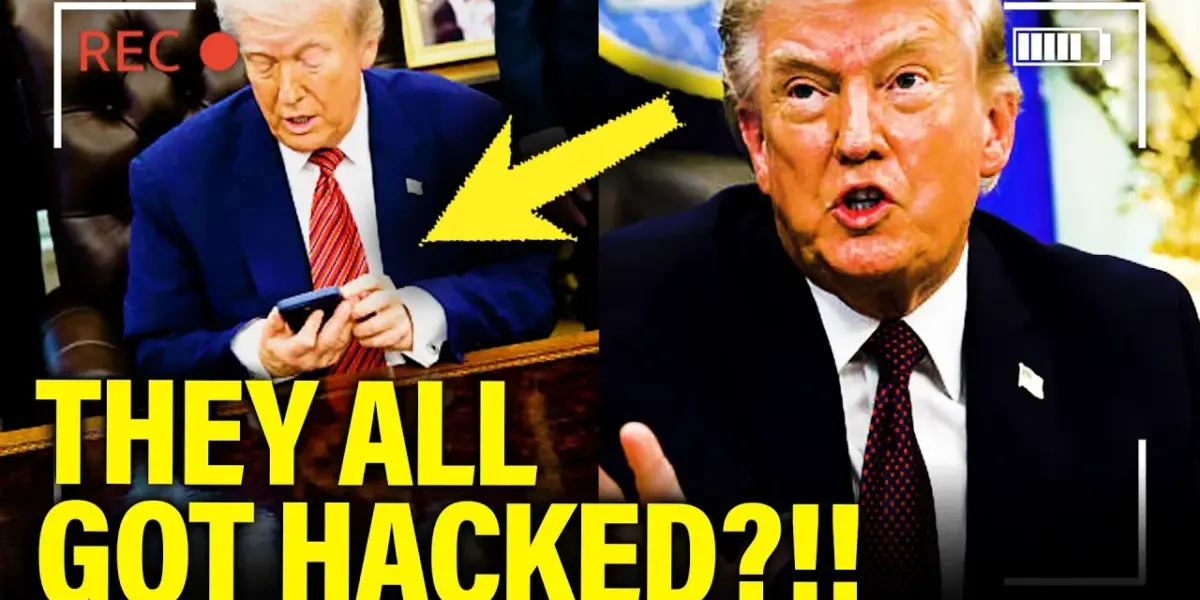
Foreign Hackers Target Trump’s Inner Circle
Reports suggest that individuals close to former President Donald Trump have been targeted by foreign governments, raising serious questions about national security and election interference. The latest incident involves FBI Director Cash Patel, whose personal data, including his resume, was reportedly posted on an Iranian hacker website. This follows earlier reports of Iranian hackers breaching the data of other key figures in Trump’s orbit, such as former Chief of Staff Susie Wilds, Stormy Daniels, Roger Stone, and Lindsey Halligan.
A Pattern of Breaches
These breaches are not isolated events. Last year, multiple individuals connected to Donald Trump reportedly had their confidential and personal information accessed by Iranian hackers. Cash Patel himself, speaking at the time of those earlier breaches, stated that anyone associated with national security breaches would be investigated and prosecuted. However, the recent leak of his own data suggests a defiant message from the Iranian regime, indicating that such actions are not being deterred.
“This is a giant middle finger from the Iranian regime who really hasn’t been changed despite Donald Trump and his people around him saying it has.”
The ongoing targeting of individuals associated with Donald Trump by foreign entities highlights a broader concern about foreign interference in U.S. politics. Experts point to the use of social media as a primary tool for these operations. It’s estimated that a significant portion, around 70%, of pro-Donald Trump websites are controlled by individuals outside the United States. These operations, often disguised as grassroots movements, can influence public opinion and sow division.
Cash Patel’s Controversies
Beyond the hacking incidents, Cash Patel himself has faced scrutiny. Reports indicate that the FBI and its inspector general are investigating potential ethics and criminal law violations, including the alleged misuse of taxpayer dollars. These allegations include using government resources for personal travel, such as accompanying his girlfriend on trips to support her music career, and visiting the U.S. Olympic hockey team’s locker room in Italy. There are also questions about alleged delays in criminal investigations while Patel was reportedly using a private jet, and his involvement in investigations related to Charlie Kirk.
Trump’s Stance on Interference
Donald Trump has consistently downplayed or outright denied that foreign governments are attempting to interfere with U.S. elections or influence policy. He has suggested that claims of Russian interference, for example, are a hoax. However, evidence suggests that countries like Russia, Iran, North Korea, and China are actively working to undermine American interests and influence election outcomes. The Senate Intelligence Committee’s 2020 report, for instance, concluded that Russia sought to help Donald Trump get elected by spreading disinformation through social media and trolls.
Broader Implications and Future Outlook
The repeated hacking of individuals associated with political campaigns and government figures raises significant concerns about the security of sensitive information and the integrity of democratic processes. If even high-ranking officials like the FBI Director cannot secure their personal data, it calls into question the security measures in place for the broader public and national security infrastructure. The transcript suggests that figures like Stephen Miller, Howard Lutnick, Scott Bentley, Tulsi Gabbard, RFK Jr., Pete Hegseth, and Elon Musk could also be prime targets for hackers.
The narrative presented is that foreign adversaries exploit political divisions for their own gain. While direct evidence of collusion between Trump’s campaign and foreign hackers is not presented, the argument is made that Trump has politically benefited from these foreign efforts. This dynamic creates a challenging environment where trust in institutions and information is eroded. The continued targeting of political figures by foreign governments, coupled with domestic political polarization, paints a worrying picture for the future of cybersecurity and election integrity in the United States.
Why This Matters
The reported hacking of individuals connected to Donald Trump and the broader context of foreign interference in elections are critical issues for American democracy. These events highlight vulnerabilities in our digital defenses and raise questions about the trustworthiness of information spread online. The alleged actions of foreign governments and the responses from political figures have a direct impact on public perception, national security, and the outcomes of elections. Understanding these threats is essential for citizens to make informed decisions and for policymakers to implement effective safeguards.
Historical Context
Concerns about foreign governments interfering in U.S. elections are not new. The 2016 election saw widespread reports of Russian interference through social media manipulation and hacking. Prior to that, various nations have been accused of attempting to influence American political discourse. The specific focus on Iranian hackers in recent years, particularly around times of geopolitical tension such as the bombing of Iranian nuclear facilities, suggests a strategic use of cyber warfare as a tool of statecraft. The alleged actions of figures like Cash Patel also bring into focus the importance of ethical conduct and accountability within government agencies.
Trends and Future Outlook
The trend of sophisticated cyberattacks targeting political figures and organizations is likely to continue. As technology advances, so do the methods used by state-sponsored hackers and other malicious actors. Social media platforms remain a key battleground for influence operations. The future outlook suggests a continued need for enhanced cybersecurity measures, greater transparency regarding foreign influence campaigns, and robust investigations into breaches of sensitive information. The political discourse surrounding these issues will also play a crucial role in shaping public awareness and policy responses.
Source: Trump Inner Circle ALL HACKED by FOREIGN GOVTS?! (YouTube)

Related Articles
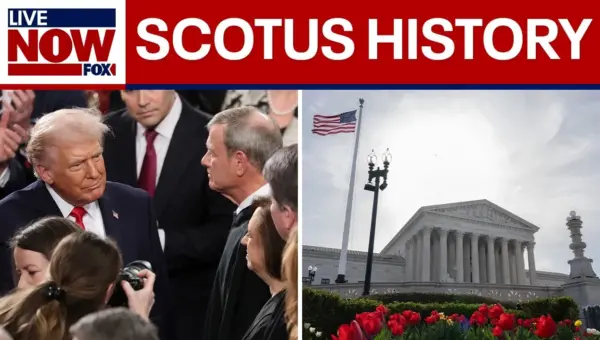
Trump Attends Supreme Court Birthright Citizenship Hearing
President Trump made an unprecedented appearance at the Supreme Court to hear arguments on his executive order challenging birthright citizenship. The case hinges on the interpretation of the 14th Amendment's Citizenship Clause. A ruling against birthright citizenship could have profound effects on millions of U.S.-born children of non-citizen parents.
Trump’s Allies Reject Mideast War Demands, Seek Distance
President Trump's allies are distancing themselves from a Middle East conflict, with Spain and Italy denying U.S. warplanes access. Trump is urging allies to act independently, while his administration's shifting war aims and contradictory policies fuel distrust.


Trump Surrenders in Iran War, Faces Court Losses
Donald Trump has announced what appears to be a surrender in his war with Iran, shifting his focus as he faces significant court losses. Rulings have halted White House construction and questioned his actions surrounding the January 6th Capitol attack. The shift in foreign policy comes amid criticism of his leadership and a new executive order targeting mail-in ballots.