Forbidden Zones: Eerie Places You Can’t Visit
Explore the world's most chilling forbidden zones, from radioactive exclusion areas and abandoned ghost towns to islands ruled by venomous snakes. These eerie locations are off-limits for a reason, holding dark secrets and haunting histories.

Eerie Places You Can’t Visit
Some places are just too dangerous, too sacred, or too haunted to explore. From ghost towns to radioactive wastelands, these forbidden locations hold secrets and stories that keep people away. We’re taking a peek at some of the spookiest spots where entry is either heavily controlled or completely banned.
North Brother Island, New York
Right in the East River between the Bronx and Rikers Island sits North Brother Island. It feels like a place lost in time. Once, it was home to Riverside Hospital, where sick people with serious illnesses, like the famous Typhoid Mary, were kept away from others. Later, it became a place to help people get back on their feet. But by the 1960s, it was empty.
Today, old brick buildings are falling apart, covered in vines, with roofs caving in. You can see its spooky outline from boats passing by. You can’t go there because it’s now a safe spot for birds, and the old buildings are too dangerous to be near. If you try to sneak in, you could face legal trouble. The quiet, broken only by the wind and birds, makes it feel very cut off from everything.
Iron Goat Trail, Washington
What is now a peaceful hiking path used to be the site of a terrible disaster. The Iron Goat Trail in Washington goes near where one of the deadliest avalanches in U.S. history happened. In 1910, heavy snow trapped two trains near Stevens Pass. A giant avalanche, known as the Wellington disaster, swept the trains off the tracks, killing 96 people.
Remnants of the old train tracks and tunnels are still there in the mountains. The slides buried some people deep under snow. The tunnels are now sealed or considered unsafe because they could collapse. Hikers sometimes report hearing strange sounds, adding to the creepy feeling around the crash site. While the trail is open, going into the abandoned tunnels is very dangerous and strongly not advised.
Bahar Fort, Rajasthan, India
Indian folklore is full of spooky and mysterious tales. Bahar Fort in India brings many of these stories to life. Built in the late 1500s, this ruined place has old temples, markets, and palace walls now covered in plants. The Archaeological Survey of India makes it illegal to enter the site between sunset and sunrise.
The official reason is safety, as the buildings are not stable and wild animals roam around at night. But locals tell stories of curses and restless spirits, giving the fort a scary reputation. As the sun goes down, long shadows make the empty stone halls feel heavy and dark. The mix of old ruins, being far away, and strict rules makes Bahungar feel very mysterious and unsettling.
Tamuk Lighthouse, Oregon
Called ‘Terrible Tilly,’ this lighthouse stands alone on a rocky island more than a mile off Oregon’s coast. Its secrets are kept safe by the rough seas around its dark doors, worn walls, and rusty tower. It has stood there since 1881, facing strong storms and dangerous boat trips, with many shipwrecks happening nearby.
After many years of tough weather, the lighthouse stopped being used in 1957. It was briefly a place called ‘Eternity at Sea,’ holding cremated remains. But today, the lighthouse is privately owned and closed to the public. Getting there is difficult due to the rough seas and the crumbling buildings. Waves constantly hit the rocks below, and its worn-out outside makes it look lonely and spooky. Combined with stories of sea tragedies, Tamuk Lighthouse truly lives up to its scary nickname.
Paris Catacombs, France
Paris is a beautiful city, but miles below its streets lie dark tunnels, a hidden graveyard holding the bones of millions. The Paris Catacombs hold the remains of over 6 million people. Only a small part is open to tourists; the rest is off-limits.
The danger in the catacombs isn’t just the spooky feeling. It’s easy to get lost in the maze of tunnels. Access is risky and illegal, though not often enforced. Some people call themselves ‘cataphiles’ and explore the tight tunnels and hidden rooms. Many parts are not mapped out and are not structurally sound. Those who go into restricted areas risk getting lost in the dark maze, where passages twist endlessly and ceilings can fall without warning. The silence underground is total, broken only by dripping water, making the catacombs a place to avoid being adventurous.
Craco, Italy
The city of Craco shows beauty in its fragility. This old town clings to the side of a large rock in southern Italy. It looks ancient, but hints suggest it was once home to a living community. Perched dramatically on a cliff, Craco was slowly abandoned because of landslides, earthquakes, and unstable ground.
Residents left their stone houses, churches, and narrow streets to find safer places. The community had always lived with landslides, fixing buildings and carrying on. By the 1960s, this once busy town had become a ghost town. It remains that way today. Craco is now a crumbling medieval ghost town overlooking the valley. Entry is highly restricted due to falling rocks, unstable ground, and the constant risk of buildings collapsing. Strong winds whistling through broken windows create an eerie soundtrack to the empty skyline. Today, Craco is an empty shell, a haunting spot for curious visitors.
Fukushima Exclusion Zone, Japan
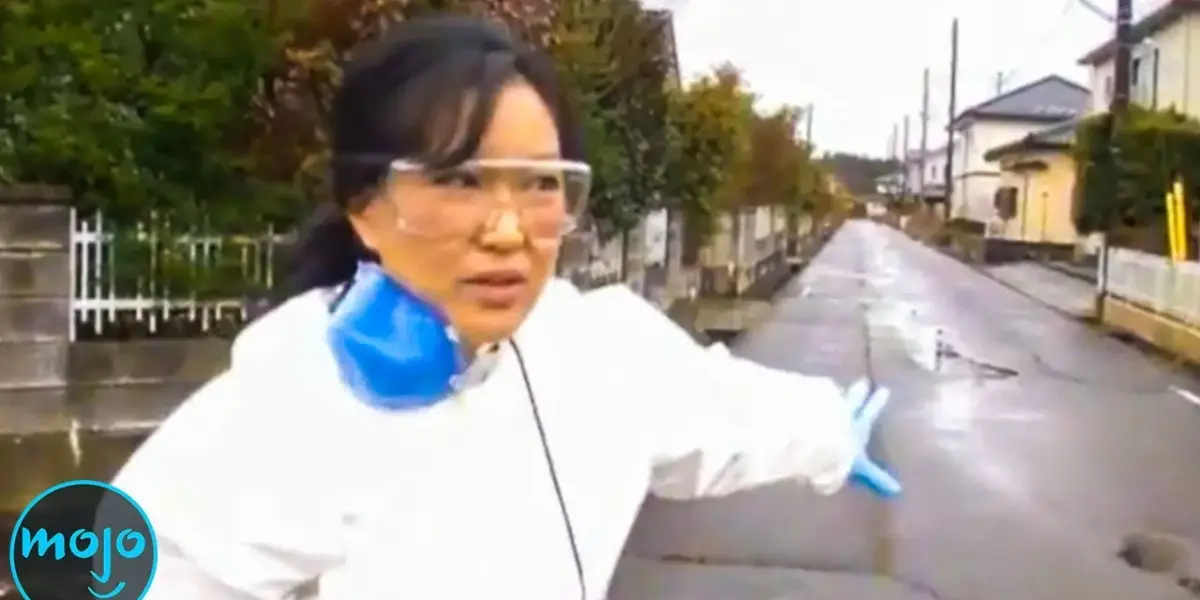
The terrible earthquake and tsunami in 2011 caused many areas of Fukushima, Japan, to be abandoned. A tsunami flooded the nuclear power plant, causing massive overheating. Reactors 1, 2, and 3 melted down. The breakdown at the Fukushima Daiichi nuclear plant forced thousands of residents to leave their homes overnight.
While some areas have reopened after cleaning, large parts are still restricted due to lingering radiation. It’s like time stopped on March 11, 2011. Entering certain zones requires special permission and safety gear. The disaster’s impact is seen in the empty homes, with personal belongings still inside, calendars stuck in time, and overgrown streets. The invisible radiation risks and the sight of normal life suddenly paused serve as a harsh reminder of how quickly modern life can be disrupted.
Snake Island, Brazil
Snake Island, or Ilha da Queimada Grande, is one of the most restricted places on Earth. The main reason? It’s home to thousands of golden lancehead vipers. These snakes have venom up to five times stronger than their relatives on the mainland. The island’s isolation let the vipers evolve without natural hunters, leading to a very large snake population.
Everyone is banned from landing here without special permission. If the warning signs don’t stop you, the residents will – all 4,000 of them. Stepping onto the island without permission would be extremely dangerous. Hidden by thick plants, you can only guess what lies beneath, and hope it’s not a snake. Snake Island’s name fits its reputation perfectly, and with strict government control, it’s one of the most unsettling forbidden places in the world.
Varosha, Cyprus
What was once a fancy beach resort, full of fancy hotels and cafes, now looks like a dead zone. This is Varosha. Ever since Cyprus was divided, it has been a military-controlled area that’s off-limits. It’s an abandoned ghost town frozen in time.
Suddenly abandoned in 1974, the resort has been sealed off by the military for decades. The silence is made louder by empty tall hotels, broken windows, and balconies crumbling from years of sun and sea air. Due to political issues and buildings falling apart, entry was forbidden for a long time, except for military personnel. Only recently have parts of the deserted town been opened to visitors under supervision. Streets once full of tourists are now quiet, with nature growing through cracks in the pavement. Seeing a modern city left to decay untouched gives Varosha a strange, time-capsule feel.
Chernobyl Exclusion Zone, Ukraine
The most famous abandoned area in the world is the Chernobyl Exclusion Zone. It’s a reminder of the 1986 nuclear reactor explosion. A huge area was evacuated, including the nearby city of Pripyat. Guided tours still happen in some areas, but large parts remain off-limits due to dangerous radiation and unstable buildings.
Schools, hospitals, and amusement parks stand eerily frozen in time, slowly decaying as trees grow through concrete floors. It’s like a time capsule of the Soviet Union in 1986, a country that no longer exists. Wildlife now roams freely, taking back streets once filled with people. Geiger counters clicking are a constant reminder of the invisible danger. The mix of radiation, city decay, and historical tragedy makes Chernobyl a chilling symbol of disaster and one of the most haunting restricted places on Earth.
Conclusion
These forbidden places, whether due to danger, history, or mystery, remind us that some parts of the world are best left undisturbed. They stand as silent witnesses to past events, holding stories that continue to fascinate and unnerve us.
Source: 10 Scariest Abandoned Places Nobody Is Allowed To Enter (YouTube)

Related Articles


Abandoned Places Unleash Terrifying Realities, Not Just Ghosts
Forget ghosts. Videos from abandoned places reveal chilling human stories, dangerous traps, and unseen threats. From a biohazard nightmare in a hospital to a radioactive basement and a real-life hunt, these locations hold tangible horrors.


Abandoned Funeral Home’s Deadly Secret Revealed
An urban exploration trip to an abandoned funeral home turned into a horrifying discovery of a trapped man. The incident revealed the deadly consequences of trespassing and a malfunctioning casket lift.


Justice Denied: 10 Cases Where Cops Got It Wrong
From flawed eyewitness accounts to biased technology, these 10 cases reveal devastating failures in law enforcement that led to wrongful convictions and immense suffering. Discover the shocking details of justice gone wrong.