Forbes Warns: High Taxes Will Drive Away Wealth Creators
Steve Forbes warns that high taxes, exemplified by Howard Schultz's departure from Washington State, risk driving away wealth creators and stifling economic opportunity. He argues that wealth is dynamic and requires a favorable environment to thrive, cautioning against policies that misunderstand and penalize success.

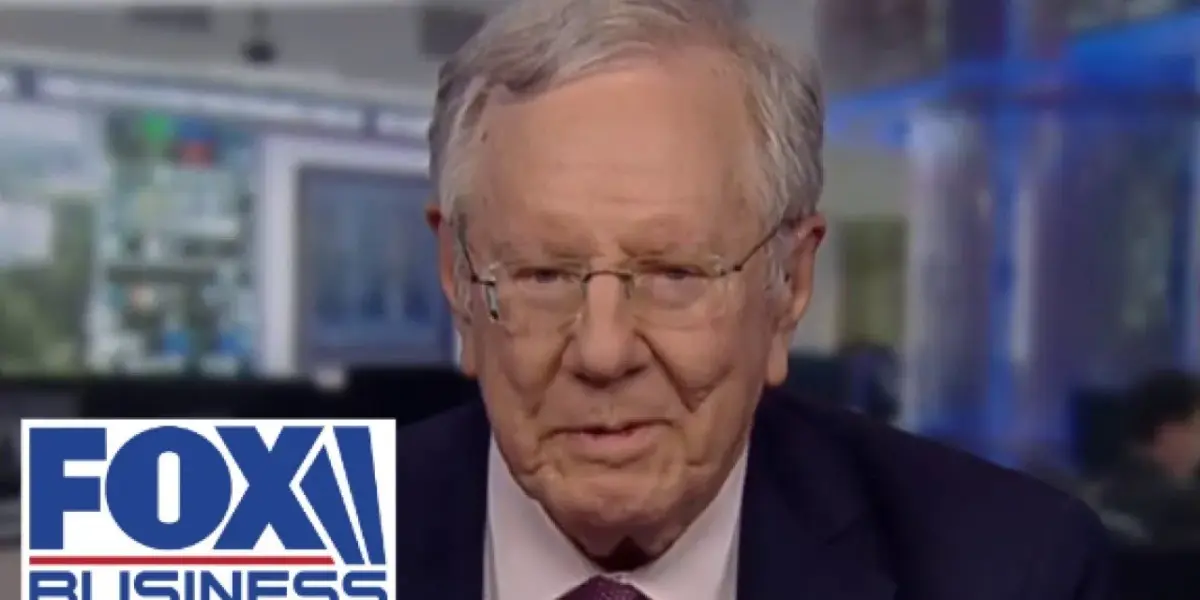
Forbes Chairman Issues Stark Warning on Wealth Taxation
Steve Forbes, Chairman and Editor-in-Chief of Forbes Media, has issued a strong warning regarding the potential consequences of wealth taxation, stating that such policies, if enacted, risk driving away the very individuals and businesses that fuel economic growth and create opportunities. Forbes highlighted the recent move of Starbucks founder Howard Schultz, who reportedly sold a $44 million mansion in Washington State, a move Forbes suggests is a direct response to the state’s tax policies.
The Flight of Capital: A Warning to Blue States
Forbes drew a direct correlation between Schultz’s relocation and the broader implications of tax policies in states perceived as less business-friendly. “If you start imposing taxes, even your loyal Democrats are going to flee to greener pastures,” Forbes stated, suggesting that even long-term supporters of a political party may seek more favorable economic environments when faced with increasing tax burdens. He attributed this phenomenon, in part, to a misunderstanding and envy of wealth among certain political factions.
“Part of it is envy and the reason people who have money the radical left and they also assume the commerce just happens they have no idea what makes things happen.”
Forbes emphasized that wealth is not a static, tangible asset that can be simply collected, as often depicted in popular culture. Instead, he explained, most wealth is intangible and tied to market performance. “If you have a bad marketplace, well, guess what, wealth disappears in thin air and is not like a pile of gold,” he elaborated.
Howard Schultz’s Journey: From Humble Beginnings to Entrepreneurial Icon
The discussion then turned to the personal story of Howard Schultz, who built Starbucks from a small coffee bean retailer into a global phenomenon. Forbes recounted Schultz’s own words from a 2023 Senate hearing, where he pushed back against the label of “billionaire” and the perception of an extreme power imbalance between him and his employees. Schultz shared his upbringing in federally subsidized housing, highlighting that neither of his parents owned a home and that he came from humble beginnings.
“I grew up in federally subsidized housing. My parents never owned a home. I came from nothing and I thought that my entire life was based on the achievement of the American Dream. Yes, I have billions of dollars, I earned it and nobody gave it to me and I have shared it.”
Schultz’s narrative serves as a powerful testament to the opportunities available within the American capitalist system, allowing individuals to achieve significant success regardless of their starting point. Forbes used Schultz’s story to underscore the potential damage that punitive tax policies could inflict on future entrepreneurs.
The Dangers of Punitive Taxation on Innovation and Job Creation
Forbes argued that policies aimed at “crushing people like Howard Schultz” are detrimental to the broader economy. He explained that such individuals are crucial for raising the capital necessary to start and grow businesses, which in turn creates jobs and fosters innovation. “When you have stagnation with that investment, go to Cuba or North Korea see where that leads,” Forbes warned, illustrating the extreme consequences of stifling investment.
He further elaborated on the ripple effects of wealth creators being discouraged from investing and expanding. “When you have stagnation, with that investment, go to Cuba or North Korea see where that leads,” he stated, painting a grim picture of economic stagnation that could result from policies that penalize success. The implication is that discouraging wealth creation leads to a lack of capital for new ventures, ultimately resulting in fewer jobs and less economic dynamism.
Broader Economic Implications and a Look Ahead
The core message from Forbes is that wealth is not a static resource but a dynamic force that requires a favorable environment to thrive and multiply. When that environment becomes hostile due to excessive taxation or regulation, wealth creators will seek opportunities elsewhere, taking their capital, their ideas, and their potential for job creation with them. This, Forbes contends, ultimately harms not only the wealthy individuals but also the millions of people who benefit from the jobs and opportunities they create.
The departure of individuals like Schultz, and the potential for many more to follow, serves as a stark warning to states considering aggressive wealth taxation. Forbes concluded by reiterating the central theme: taking wealth for granted and imposing excessive taxes will inevitably lead to its destruction and the loss of future opportunities for aspiring entrepreneurs.
Looking ahead, the economic decisions made by state governments regarding taxation will be critical. The actions of states like Washington and the responses from business leaders will likely continue to shape the national conversation on wealth, taxation, and the conditions necessary for economic prosperity.
Source: Steve Forbes: If you take wealth for granted, you're going to destroy it (YouTube)

Related Articles
Trump Promises Farmers 20% Income Boost, Tax Relief
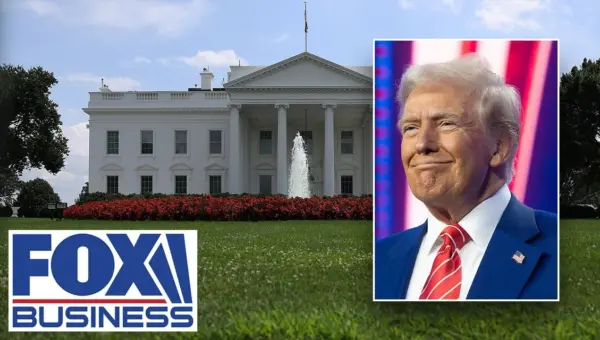
Former President Donald Trump addressed a large gathering of American farmers, highlighting a 20% surge in farm income and detailing tax cuts and regulatory relief. Key policies discussed include bonus depreciation for equipment, elimination of the estate tax, and expanded trade deals. The administration also announced new loan guarantees and efforts to reduce equipment repair costs.

California Wealth Tax Faces Fierce Opposition
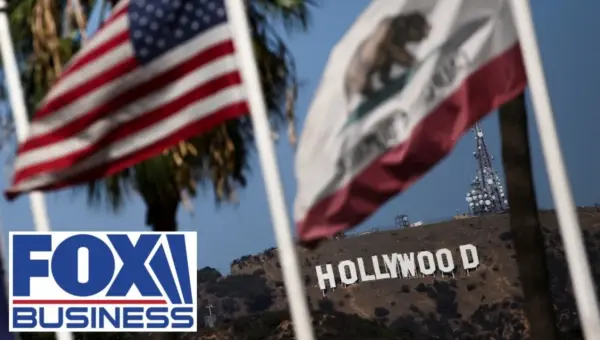
California's proposed wealth tax is drawing fire from gubernatorial candidate Steve Hilton and economists who call it a "disaster." Critics argue it will drive away wealth creators and fail to generate revenue, citing a history of similar taxes not working successfully.

Trump’s Bid to Oust Fed Chief Powell Hits Legal Dead End
Federal Reserve Chairman Jerome Powell is facing intense pressure from Donald Trump to lower interest rates. However, legal efforts to prosecute Powell, reportedly focusing on building costs, have hit a wall. Prosecutors admit they have found no evidence of criminal wrongdoing. This situation highlights the tension between political influence and the Federal Reserve's crucial independence.