Flying Cars Take Flight: Doroni Unveils $400K Electric VTOL
Doroni Aerospace has unveiled its all-electric, two-seat H1-X 'flying car' at the FII Conference in Miami. Priced at $400,000, the aircraft is expected to begin market delivery in 2028. The company is working with the FAA for certification and sees potential for personal use, emergency services, and military applications.

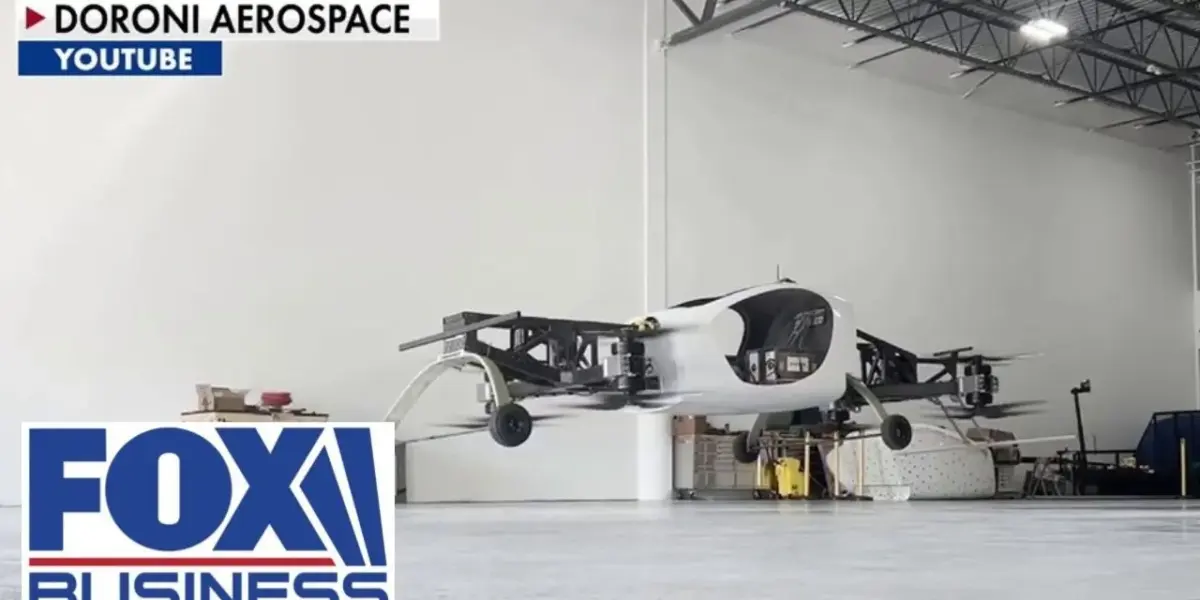
Doroni Aerospace Aims for the Skies with New Electric Aircraft
The future of personal transportation may soon involve more than just roads. Doroni Aerospace has unveiled its H1-X, an all-electric, two-seat vertical take-off and landing (VTOL) aircraft, often referred to as a ‘flying car.’ The company showcased its latest model at the FII Conference in Miami, signaling a significant step towards making personal aerial travel a reality.
The H1-X: Electric Power Meets Personal Flight
The H1-X is designed for personal use and operates entirely on electric power. It features ten independent motors, allowing it to take off and land vertically, much like a drone. This capability means it doesn’t require a traditional runway, making it suitable for urban environments. Doroni’s CEO, Doron Merdinger, explained that the aircraft’s design prioritizes safety and ease of use.
“The idea is electrification of aviation, finally to that point,” Merdinger stated. “In our case, 10 independent motors, go vertical, just out of the garage, vertical mortgages transition, using pushes.” The aircraft is built with ducted fan technology, which Merdinger highlighted as safer and quieter than open propellers. This design choice aims to make the aircraft more community-friendly.
Market Entry and Pricing Strategy
Doroni Aerospace is targeting a market entry with initial flight capabilities expected by 2027 and full market delivery in 2028. The projected price for the H1-X is around $400,000 per vehicle. This price point positions the H1-X as a premium product, likely appealing to early adopters, private owners, and potentially government entities.
The company has already received over 600 requests for the aircraft. Doroni sees potential applications for first responders, military reconnaissance, and emergency services, in addition to private consumers. “We are now heading over 600 requests in facility, may goal how fast we can deliver them for multi, private also first responders, military,” Merdinger noted.
Regulatory Hurdles and Future Infrastructure
Bringing a flying car to market involves significant regulatory challenges. Doroni is working closely with the Federal Aviation Administration (FAA) to navigate the certification process. Merdinger described the certification process as “much easier, less convoluted” for their smaller aircraft compared to larger planes.
For widespread adoption, infrastructure will need to adapt. While the H1-X requires a smaller landing footprint than a traditional airport, designated landing spots and charging stations will be crucial. Doroni plans to partner with landowners to establish these necessary facilities. “Partnership the landowner is to have landing places,” Merdinger said.
The Role of AI and Competition
The H1-X will incorporate an AI digital co-pilot to assist the main pilot. This system will provide crucial flight information, monitor conditions, and ensure passenger comfort and safety. “Copilot will go most important work, you stay control of the vehicle, but give information where you are going to fly, conditions, and, check with are you okay,” Merdinger explained.
Merdinger also touched upon the global race in advanced aviation technology, particularly mentioning competition with China. He emphasized the need for government support to maintain a competitive edge in this rapidly evolving sector. “China is leading the way for even for a while,” he stated, highlighting the importance of continued investment and development.
Potential Applications and Range
The H1-X is envisioned as more than just a novelty. With a range of approximately 100 miles on a single charge, it offers practical transportation solutions for various needs. Potential uses include commuting, recreational travel, and quick transport for emergency services. The ability to land on any suitable private property opens up numerous possibilities for travel and leisure.
“The most important was we offer experience how you like to see the area that you are traveling to and air,” Merdinger added. The aircraft’s stable and accurate landing capabilities are comparable to a drone, ensuring a smooth transition from air to ground.
Market Impact
The unveiling of the H1-X by Doroni Aerospace represents a tangible advancement in the pursuit of electric aviation and personal air mobility. The $400,000 price tag, while substantial, aligns with the high-tech nature of the product and suggests a market focused on innovation and premium experiences. The company’s proactive engagement with regulatory bodies like the FAA is a positive sign for the feasibility of future commercial operations.
The H1-X’s success could pave the way for a new era of transportation, potentially easing congestion in urban areas and offering faster travel times. However, the development of necessary infrastructure, public acceptance, and ongoing regulatory approvals will be critical factors in its long-term viability. The integration of AI co-pilots also points towards a future where advanced technology plays an increasingly central role in aviation safety and efficiency.
Source: 'ELECTRIFICATION OF AVIATION': Doroni Aerospace unveils its H1-X 'Flying Car' (YouTube)

Related Articles


China’s Tech Leap: Robots, Flying Cars & Battery Breakthroughs
China is rapidly advancing in robotics, flying cars, and battery technology. Breakthroughs in humanoid robots and eVTOLs are becoming a reality, while sodium-ion batteries promise cheaper, more accessible energy storage.


Wealthy Flee High-Tax States, Boosting Low-Tax Havens
Wealthy Americans are relocating to lower-tax states, with Florida leading the charge by gaining over $20 billion in income in one year. This trend sees high-tax states like New York and California losing billions, as businesses and individuals seek more favorable economic environments.

Miami Lures Sports Giant: New HQ Signals ‘Wall Street of the South’ Boom
A major sports company has moved its headquarters from New York to Miami, signaling a significant shift in business migration. The move highlights Miami's growing appeal as a business-friendly hub and its emergence as the 'Wall Street of the South.'