Florida Market Faces Steep Declines, Echoes of 2008
Southwest Florida's housing market, particularly Cape Coral and Fort Myers, is showing significant signs of distress with values down over 15% from their peak. Surging foreclosures and unfinished projects are drawing parallels to the 2008 crisis, marking the region as a potential indicator for broader market shifts.


Southwest Florida Market Shows Alarming Signs of Decline
Southwest Florida, particularly the Cape Coral and Fort Myers areas, is currently exhibiting the most concerning housing market conditions in the United States. With home values already experiencing a significant downturn of over 15% from their peak, the region is drawing parallels to the housing crisis of 2008. During the previous crash, this area saw property values plummet by as much as 57%, a stark reminder of the potential for severe market corrections.
Foreclosures Surge Amidst Risky Investment Strategies
Recent analyses, including reports from Bloomberg, highlight a dramatic increase in foreclosures within the region. This surge is largely attributed to the fallout from speculative real estate investment strategies, particularly among novice home flippers who utilized readily available, low-interest financing. The “easy money” loans, once a catalyst for market activity, are now backfiring, leaving investors unable to meet their obligations. This has resulted in a wave of unfinished construction projects and distressed properties entering the market, exacerbating the downward pressure on home prices.
A Canary in the Coal Mine for the National Market?
The situation in Cape Coral is not merely an isolated incident within the Florida housing landscape. Experts, such as those at Reventure, have identified it as an early indicator, a “canary in the coal mine,” for broader market trends. Reventure accurately predicted this downturn in early 2024, preceding wider recognition of the emerging issues. The area’s market behavior, characterized by an early peak and subsequent prolonged decline while other national markets remained buoyant, suggests a vulnerability that could foreshadow future challenges elsewhere.
Understanding Market Dynamics and Investor Risks
The current climate in Southwest Florida underscores the inherent risks associated with speculative real estate investments. For individual homeowners, a declining market can mean a loss of equity and potential financial strain, especially for those who purchased at or near the market’s peak. For real estate investors, particularly those engaging in house flipping, the rapid shift in market conditions can be devastating. The reliance on short-term financing and the expectation of continued rapid appreciation are proving to be a precarious strategy in an environment of rising interest rates and slowing demand.
Broader Economic Factors at Play
Several macroeconomic factors are contributing to the pressure on housing markets nationwide, with Southwest Florida experiencing these effects acutely. Persistent inflation has led to higher interest rates, significantly increasing the cost of mortgages for potential buyers. This rise in borrowing costs reduces purchasing power and dampens demand. Furthermore, a general economic slowdown or uncertainty can lead to job market instability, impacting consumer confidence and the willingness to make major financial commitments like purchasing a home. The “easy money” policies of recent years, which fueled asset price inflation across various sectors, are now being unwound, leading to corrections in markets that were most susceptible to such stimuli.
Regional Variations and Impact
While Southwest Florida is currently at the forefront of this market correction, the underlying factors are not unique. Many markets that experienced rapid price appreciation during the pandemic-fueled boom are now facing increased scrutiny. However, regions that saw a significant influx of speculative investment, often driven by favorable financing conditions and the allure of quick profits, are proving to be more vulnerable. This situation disproportionately affects:
- New Buyers: May find themselves entering a market with declining values, potentially owing more than their property is worth in the short to medium term.
- Existing Homeowners: Could see their home equity erode, impacting their ability to refinance or sell without taking a loss.
- Real Estate Investors: Particularly those with leveraged positions or unfinished projects, face significant financial risks from rising interest rates, increased inventory, and falling prices.
The situation in Cape Coral and Fort Myers serves as a critical case study for understanding market cycles and the potential consequences of rapid, speculative growth. As the broader economic landscape continues to evolve, all eyes will be on regions like Southwest Florida to gauge the direction and severity of future housing market trends.
Source: The Worst City in U.S. Housing Market in the U.S. just got worse (YouTube)

Related Articles


Breaking Into Real Estate: Opportunity Knocks
High property prices and interest rates dominate current real estate discussions, leading many to believe market entry is impossible without wealth. However, historical perspective and strategic thinking suggest opportunity persists for those willing to learn and adapt, regardless of their starting financial position.


Florida Housing Market Sees Sellers Face Losses
Sellers in Florida are increasingly facing significant financial losses as the housing market experiences a notable downturn. Properties bought just a couple of years ago are now being sold for less than their purchase price, highlighting the cyclical nature of real estate and the importance of data-driven decision-making.

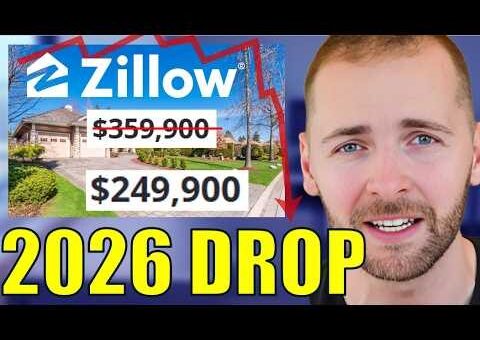
Housing Market Slowdown: Cities to Watch for Price Declines
Several U.S. cities are projected to see home price declines in 2026, driven by rising inventory and slower demand. Orlando, Seattle, Dallas-Fort Worth, Tampa, and Denver are among the markets highlighted for potential price adjustments, offering opportunities for buyers but signaling a shift from recent market conditions.