Florida Fights NFL’s Diversity Rule, Fuels Racism Debate
Florida's Attorney General is suing the NFL, challenging the Rooney Rule and arguing it's discriminatory. This move sparks debate on diversity policies and the league's history of racial inequality. The lawsuit questions whether efforts to ensure fair hiring are themselves unfair.

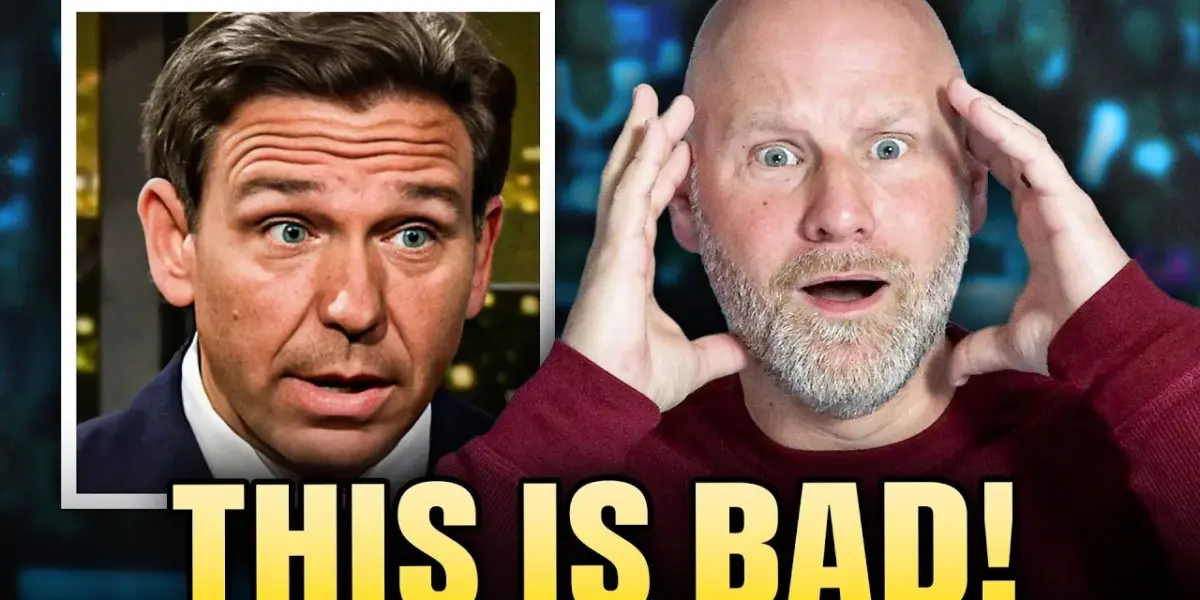
Florida Accuses NFL Diversity Rule of Racism, Sparks Controversy
The state of Florida is taking an unusual step, suing the National Football League (NFL) to challenge its diversity hiring policies. Specifically, Florida’s Attorney General is targeting the Rooney Rule, a policy designed to ensure minority candidates are considered for coaching and front office jobs. This lawsuit argues that the rule itself is discriminatory, a claim that has ignited a passionate debate about race, fairness, and the NFL’s past.
The Rooney Rule: A Closer Look
The Rooney Rule was established in 2003 following a study that highlighted significant racial disparities in NFL coaching hires. Researchers found that Black coaches were more likely to be fired than their white counterparts and less likely to be hired, even with similar qualifications. The rule simply requires teams to interview at least two minority candidates for every open coaching position. It does not force teams to hire minority candidates, only to consider them.
Despite the Rooney Rule, the NFL has faced ongoing criticism for its lack of diversity in leadership roles. This past offseason, for example, ten head coaching positions opened up, and none were filled by Black candidates. This outcome, even with the Rooney Rule in place, suggests that systemic issues may persist within the league’s hiring practices.
Florida’s Argument: A Contradictory Stance?
Florida’s lawsuit, however, claims the Rooney Rule is inherently racist and violates state law. Attorney General James Uteer stated that fans care more about winning than a coach’s race. He believes the rule unfairly excludes candidates based on their background. This perspective contrasts sharply with the historical data and the stated goals of the Rooney Rule, which aimed to counteract existing biases.
Critics of Florida’s lawsuit point out the irony of the state’s position. They argue that the Rooney Rule was created to combat racism, not to promote it. Furthermore, some have raised concerns about the Attorney General’s own past involvement in scandals, suggesting his focus on the NFL is a distraction from more pressing state issues.
Historical Context: A Long Road to Equality
The struggle for racial equality in professional sports, including the NFL, has a long and complex history. For decades, opportunities for Black athletes and coaches were severely limited. While progress has been made, the ongoing disparities in hiring and retention suggest that the work is far from over. The Rooney Rule was a significant step, but its effectiveness is clearly still a subject of debate.
The NFL, as a private organization, has the right to set its own hiring policies. However, its significant presence in states like Florida, with its large fan base and economic impact, gives its decisions broad influence. Florida’s legal challenge could set a precedent, potentially influencing how other states and organizations approach diversity initiatives.
Why This Matters
This legal battle goes beyond the NFL; it touches on broader societal questions about affirmative action, diversity, and the role of government in regulating private hiring practices. The lawsuit forces a conversation about whether policies designed to promote equality can themselves be seen as discriminatory. It also highlights the persistent challenges in achieving true representation in leadership positions across various industries.
The outcome of Florida’s lawsuit could have significant implications for diversity efforts nationwide. If the Rooney Rule is overturned or weakened, it may signal a broader rollback of policies aimed at increasing representation. Conversely, a strong defense of the rule could reinforce the importance of proactive measures to combat systemic bias.
Implications and Future Outlook
The NFL’s response to this lawsuit will be closely watched. The league could choose to fight the suit, defend the Rooney Rule, or potentially seek a compromise. Some suggest that if Florida continues to challenge its policies, the NFL might consider relocating its teams from the state, emphasizing its autonomy as a private entity and the economic consequences for Florida.
This situation underscores the ongoing tension between promoting diversity and adhering to traditional notions of meritocracy. As society continues to grapple with issues of race and equity, the NFL’s handling of this lawsuit will serve as a case study in navigating these complex challenges. The future of diversity initiatives in sports and beyond may well be shaped by the decisions made in this case.
Source: Florida Sues To Make The NFL MORE Racist (YouTube)

Related Articles


Las Vegas Lands Super Bowl 63 in 2029
Las Vegas has been selected to host Super Bowl 63 in 2029, marking its second time hosting the NFL championship game. The city's successful bid follows its well-received hosting of Super Bowl LVIII in 2024. This event underscores Las Vegas's growing status as a major sports destination, with a packed schedule of upcoming events.


Florida Challenges NFL’s Diversity Rule, Sparking Debate
Florida is challenging the NFL's Rooney Rule, which requires teams to interview minority candidates for top jobs. The state argues the rule violates Florida law by considering race in hiring. This legal battle raises questions about merit-based hiring versus diversity initiatives.

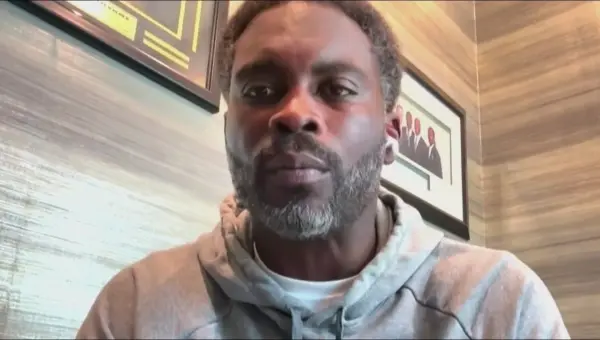
Florida Battles NFL Over Coach Hiring Rules
Florida is challenging the NFL's Rooney Rule, which requires teams to interview diverse candidates for coaching jobs. Former NFL star Michael Vick believes the rule is important for fairness and equal opportunity. This debate touches on broader issues of diversity and merit in hiring across industries.