Filmmakers’ Dark Secrets: 10 Disturbing Movies Linked to Awful People
A new countdown reveals ten disturbing films, from Hollywood classics to cult favorites, that are inextricably linked to their directors' controversial pasts and alleged misconduct. Discover the dark secrets behind these cinematic works.

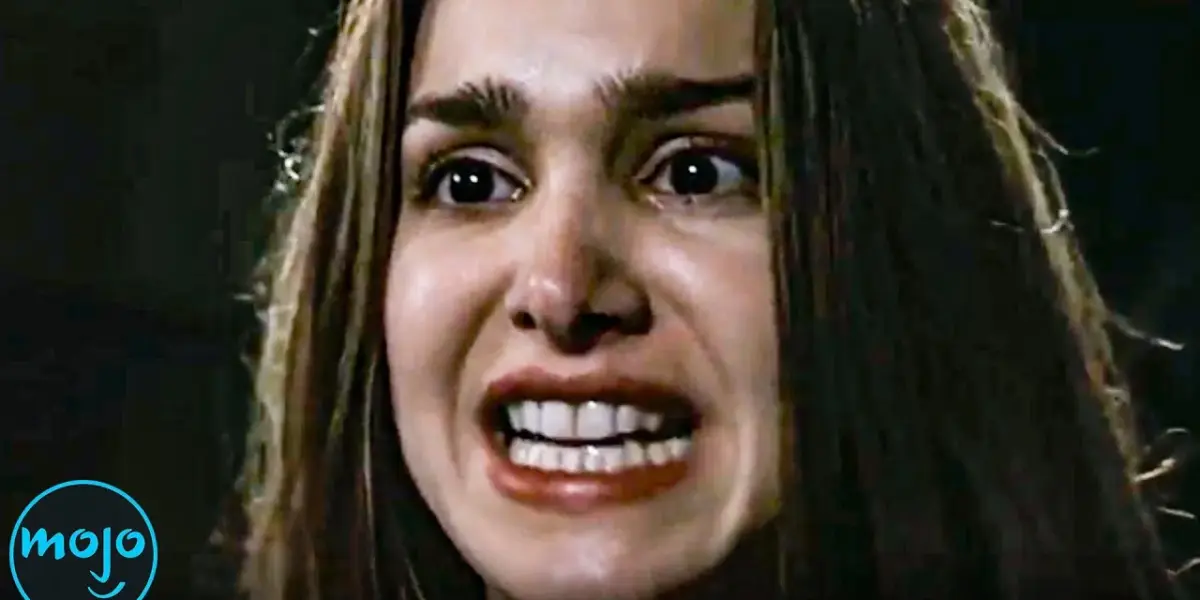
From Hollywood Icons to Infamous Figures: The Dark Side of Cinema Revealed
The magic of the movies can often blind us to the realities behind the camera. While we lose ourselves in captivating stories and stunning visuals, sometimes the creators behind these cinematic triumphs harbor dark secrets and questionable pasts. Watch Mojo’s latest countdown, “10 CREEPY Movies Made by TERRIBLE People,” shines a harsh spotlight on filmmakers whose personal lives and alleged transgressions cast a long, disturbing shadow over their celebrated works. This isn’t just about controversial themes; it’s about the artists themselves, their alleged behaviors, and how these elements intertwine with the films they’ve gifted, or perhaps cursed, us with.
Sam Peckinpah’s ‘Straw Dogs’ and a Reputation for Violence
Kicking off the list at number 10 is Sam Peckinpah and his 1971 thriller, Straw Dogs. Peckinpah, a director known for his unflinching depiction of violence, cultivated a reputation among collaborators that was as contentious as his on-screen brutality. Straw Dogs, starring Dustin Hoffman, confronts themes of bloodshed and revenge in a shocking manner, depicting a couple terrorized by a group of local men. The film’s dark climax and intense violence lead viewers to ponder the man behind the lens, whose personal life, marked by military service, erratic relationships, and substance struggles, likely fueled the film’s unsettling tone.
Woody Allen’s ‘Manhattan’: A Critically Acclaimed Film Now Viewed Through a Troubled Lens
At number nine, the list tackles Woody Allen and his 1979 romantic comedy-drama, Manhattan. Following his high-profile fallout with Mia Farrow and the subsequent allegations of assault against his adopted daughter, Dylan Farrow, Allen’s personal life became a major point of controversy. Despite this, his career as an acclaimed director continued. However, revisiting his filmography, particularly Manhattan, reveals a hero who dates a teenager without significant narrative pushback, a dynamic that appears far more unsettling in light of the accusations against the filmmaker. Allen’s own regrets about “disgusting little moments” only add to the complex and often uncomfortable legacy of his work.
Lars von Trier’s ‘Antichrist’: Provocation as a Cinematic Signature
Lars von Trier, a filmmaker renowned for tackling difficult subjects, lands at number eight with his 2009 psychological horror film, Antichrist. Known as a provocateur, von Trier delves into the destructive nature of grief and toxic relationships in this visually striking and disturbing film. His outspoken nature and controversial statements, including those interpreted by Björk as directed at him for alleged harassment on the set of Dancer in the Dark, have consistently placed him in the eye of the storm. His peculiar remarks on topics ranging from Nazis to the war in Ukraine only amplify his antagonistic public persona, making his films, like Antichrist, inseparable from the man himself.
Alfred Hitchcock’s ‘Marnie’: The Master of Suspense’s Dark Obsession
The legendary Alfred Hitchcock, the “Master of Suspense,” is at number seven with his 1964 psychological thriller, Marnie. While Hitchcock delivered iconic films, his personal life reportedly held darker dimensions. Actress Tippi Hedren, who starred in both The Birds and Marnie, has spoken out about alleged harassment and assault by the director. The plot of Marnie, which features a woman traumatized by men and color red, and includes a scene where the title character’s husband forces himself on her, eerily parallels Hedren’s claims. This unsettling connection makes the film a particularly difficult watch, forcing viewers to confront the potential exploitation behind the art.
Ruggero Deodato’s ‘Cannibal Holocaust’: The Film That Sparked Real-World Legal Battles
At number six, Ruggero Deodato’s 1980 shockumentary, Cannibal Holocaust, stands out for its extreme content and the controversy it generated. Marketed as found footage, the film’s graphic depictions of violence and real animal cruelty led many to believe it contained actual human deaths. This perceived authenticity resulted in legal troubles for Deodato, solidifying his status as a controversial figure. The film’s portrayal of a South American tribe and its disturbing blurring of lines between reality and fiction, particularly a scene involving a turtle, make it a challenging and ethically fraught viewing experience.
Asia Argento’s ‘The Heart Is Deceitful Above All Things’: Allegations Cast a Shadow
Asia Argento, who comes from a cinematic family, is at number five with her 2004 film, The Heart Is Deceitful Above All Things. While Argento has been a vocal advocate against sexual abuse, as seen in her stance during the #MeToo movement against Harvey Weinstein, her own alleged actions have drawn sharp criticism. Years after her film’s release, Argento faced allegations of assaulting Jimmy Bennett, who played her son in the movie. The film’s themes of absent and toxic parental figures become even more poignant and disturbing when viewed through the lens of these later allegations.
Leni Riefenstahl’s ‘Triumph of the Will’: Propaganda as Art
Number four on the list is Leni Riefenstahl and her infamous 1935 propaganda film, Triumph of the Will. This documentary chronicles the 1934 Nazi Party Congress in Nuremberg, presenting a chilling glimpse into the rise of fascism. Riefenstahl’s attempt to glorify the Nazi regime, a reprehensible political movement, has forever tarnished her reputation. While she aimed to create a cinematic experience, her objective was morally bankrupt, making her name a lasting cautionary tale in the history of filmmaking.
Bernardo Bertolucci’s ‘Last Tango in Paris’: Consent and Exploitation
Bernardo Bertolucci’s 1972 erotic drama, Last Tango in Paris, is at number three. The film, starring Marlon Brando and Maria Schneider, explores an intense affair between two strangers. However, Schneider later revealed that a particularly graphic and disturbing scene, famously involving butter, was filmed without her full consent, leading her to feel exploited. Bertolucci’s sidestepping of these allegations throughout his life complicates the film’s legacy, reigniting crucial conversations about consent and the potential for filmmakers to take advantage of performers, especially in an era before intimacy coordinators.
Roman Polanski’s ‘Tess’: A Troubled Director and a Disturbing Narrative
Roman Polanski, known for his infamous past, including an illegal encounter with an underage victim that led to his escape to Europe, is at number two with his 1979 film, Tess. Despite his legal battles, Polanski continued to direct, creating this adaptation of Thomas Hardy’s novel. The film, starring Nastassja Kinski, follows a young woman confronting her family legacy and deals with themes of sexual assault. It’s particularly unsettling to see a director with Polanski’s history helm female-centric stories that explore predatory male figures, as he also did with Repulsion. While Tess received critical acclaim and was added to the Criterion Collection, it remains a work viewed with serious reservations, highlighting the difficulty in separating art from the artist.
Victor Salva’s ‘Jeepers Creepers’: A Slasher’s Criminal Past
Taking the top spot at number one is Victor Salva and his 2001 horror film, Jeepers Creepers. While the Jeepers Creepers franchise is remembered by horror fans, fewer are aware of the dark truth behind its director. Salva served time in prison in the 1980s for inappropriate relations with the young star of his earlier film, Clownhouse. With the support of figures like Francis Ford Coppola, Salva went on to direct this slasher film, which features a villain preying on and consuming travelers. Knowing the filmmaker’s criminal history makes the movie’s plot even more horrific. The fact that Salva was able to produce two sequels further compounds the disturbing nature of this cinematic legacy.
This countdown serves as a stark reminder that the stories we consume are often deeply intertwined with the lives and alleged actions of the people who create them. It compels us to question the art, the artist, and the ethical considerations that surround the world of entertainment.
Source: 10 CREEPY Movies Made by TERRIBLE People (YouTube)

Related Articles

Justice Denied: 10 Cases Where Cops Got It Wrong
From flawed eyewitness accounts to biased technology, these 10 cases reveal devastating failures in law enforcement that led to wrongful convictions and immense suffering. Discover the shocking details of justice gone wrong.


Gilgo Beach Killer Nears Confession, Ending Long Wait
Rex Heuermann, accused in the Gilgo Beach serial killings, is reportedly expected to plead guilty to seven murders. This potential confession could bring long-awaited closure to the victims' families after years of investigation and uncertainty.

Musicians’ Pride Comes Before a Fall: Top 10 Humbled Stars
From award show interruptions to public scandals, some of music's biggest names have faced moments that humbled them. This list counts down ten times arrogant musicians were brought back down to Earth by their own actions or public backlash. Discover the shocking incidents that defined these artists' careers.