Fiery TV Debate Unpacks Student Activism, Literacy Disparities, and the First Amendment
A recent television debate saw a conservative host link student protests against ICE to declining literacy rates and political radicalization. Progressive commentator Brian Tyler Cohen swiftly countered, highlighting that the lowest literacy scores are often found in 'red states' and defending students' First Amendment right to protest what he called a 'lawless rogue agency.' The exchange illuminated deep political divides on education, activism, and government accountability.

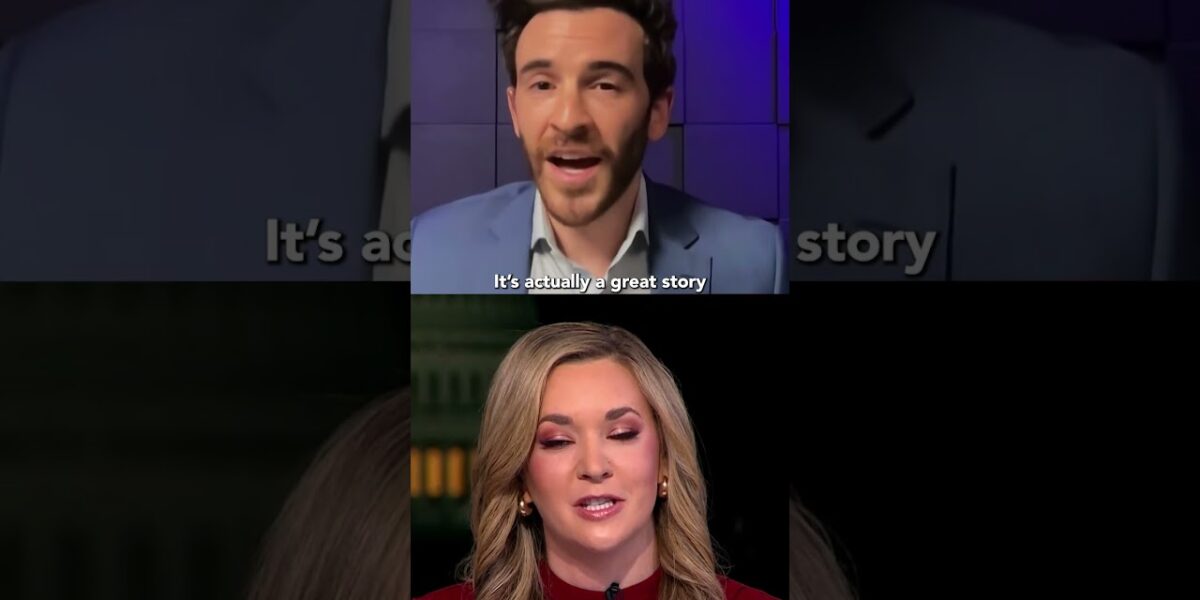
Heated Exchange Highlights Deep Divides on Education and Protest Rights
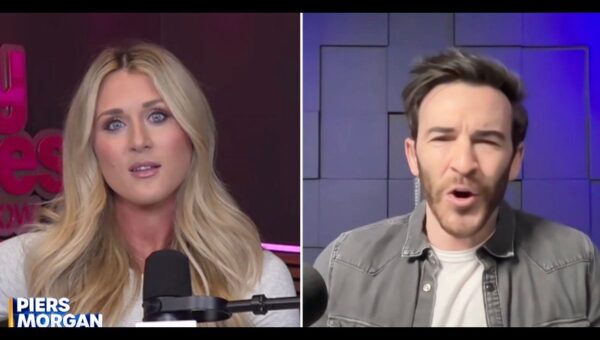
In a recent television segment that quickly gained traction, a conservative host’s critique of student activism and national literacy rates was met with a sharp rebuttal from political commentator Brian Tyler Cohen. The exchange, which unfolded on the host’s own program, escalated into a broader discussion about educational outcomes in ‘red’ versus ‘blue’ states, the role of government agencies, and the fundamental right to protest. It laid bare the ideological chasm defining much of America’s contemporary political discourse.
The Initial Accusation: Radicalization and Unrest
The segment began with the host recounting an incident involving what she described as an "unprovoked attack on a mother" during an "unpeaceful protest" outside a school. The host attributed the alleged assault to students "radicalized" by "the left," suggesting they had been encouraged to abandon their studies to participate in demonstrations against Immigration and Customs Enforcement (ICE).
Her narrative painted a picture of misguided youth, alleging that students were "leaving school where the country has a 54% rate of not being able to read" to "attack people who are just asking them to calm down." This opening statement immediately framed the issue as a failure of education, a breakdown of societal order, and a political manipulation of young people, linking student protest directly to declining literacy and left-wing influence.
Brian Tyler Cohen’s Counter: Literacy and State Performance
Brian Tyler Cohen, known for his progressive commentary, did not dispute the severity of national literacy challenges. "Yeah. I mean, look, I I I agree that literacy scores in this country are pretty dismal," he conceded. However, his agreement was swiftly followed by a pivotal counter-argument that shifted the focus from a partisan blame game to a data-driven critique of state-level educational performance.
Cohen pointed out, "And in fact, the lowest literacy scores in this country are in red states run by Republican governors and Republican legislator." He then proceeded to name specific states, including "Oklahoma, for example, if you look at places like Arkansas, Mississippi, Louisiana," asserting that "these have the lowest test scores in the country." This direct challenge effectively turned the host’s initial premise on its head, suggesting that the very issues she raised—poor educational outcomes—were more pronounced in the political strongholds she typically aligns with.
The National Literacy Crisis: A Broader Context
The issue of literacy in the United States is indeed a critical and ongoing concern, often highlighted by various educational reports and assessments. While specific figures can vary depending on the methodology and age groups surveyed, studies consistently indicate that a significant portion of the American population struggles with basic reading proficiency. This challenge has far-reaching implications, affecting everything from economic competitiveness and civic engagement to individual opportunity.
Educational experts and policymakers frequently debate the root causes of these literacy gaps. Factors often cited include socioeconomic disparities, inadequate school funding, teacher shortages, curriculum design, and the impact of evolving pedagogical approaches. The political dimension, as highlighted in the on-air exchange, often involves debates over state versus federal control of education, the role of standardized testing, and the allocation of resources. Cohen’s intervention underscored that these educational challenges are not confined to a single political ideology or geographic region but often manifest acutely in areas that might resist federal intervention or embrace different educational philosophies.
Defensive Maneuvers: Mississippi and the Pivot Back to ICE
Cohen’s statistics-based counter-argument clearly put the host on the defensive. She attempted to parry his point by asserting, "I’d be happy to talk about Mississippi. It’s actually much better than the majority of the blue states in this country in terms of education. a great story about education, but that’s not about ICE, which is what we’re talking about now." This response served two purposes: an attempt to reclaim a positive narrative for a "red state" and a swift pivot back to her original topic, seemingly to avoid further scrutiny of educational data.
Cohen, sensing the host’s reluctance to engage on the specific data, remarked, "Yeah, that’s fine. I don’t think you really want to have an argument uh about the test scores in red states versus blue states." The host, however, maintained her composure, inviting him back for a separate conversation on education while reiterating her core concern: "But I don’t think kids should be leaving school to go and protest ICE when they can’t read, write, or do arithmetic." This statement reinforced her initial framing, emphasizing a perceived dereliction of academic duty in favor of activism.
The Political Battleground of Education
The host’s defense of Mississippi and her quick pivot exemplify a common strategy in partisan debates: when confronted with inconvenient facts, either dispute them or redirect the conversation to a more favorable topic. The comparison of "red" and "blue" states in educational outcomes is a recurring theme in American political discourse. While some studies might show particular strengths in certain red states for specific metrics, broader national assessments often reveal complex patterns that defy simple partisan categorization.
Discussions around educational achievement frequently become proxies for larger ideological battles over government spending, social policies, and cultural values. The host’s insistence on the importance of basic academic skills like reading, writing, and arithmetic for students, while simultaneously dismissing a discussion about where those skills are most lacking, highlights the selective application of concerns within a political argument.
The First Amendment and Student Activism: A Fundamental Right
The core of the disagreement ultimately hinged on the legitimacy of student protest. Cohen concluded his argument by championing the First Amendment right to free speech and assembly. "Look, I I I think that we have a very important first amendment right in this country," he stated unequivocally.
He then directly addressed the host’s concern about students leaving school, asserting, "And if kids want to use what platform they have to step out of school to protest the overreach of a tyrannical government and a lawless rogue agency, then I support their ability to do that." This powerful statement reframed the students’ actions not as radicalized delinquency but as legitimate exercises of democratic freedom, specifically targeting what he characterized as governmental overreach and institutional misconduct.
Student Activism: A Historical Precedent
Student activism has a long and storied history in the United States, playing a crucial role in nearly every major social and political movement, from the Civil Rights era and anti-Vietnam War protests to environmental advocacy and gun control debates. Young people, often at the forefront of social change, frequently leverage their collective voice to challenge injustice and advocate for their vision of a better society.
The First Amendment guarantees freedom of speech, assembly, and petition, protecting individuals’ rights to express their views, even if those views are critical of the government. While schools often have policies regarding attendance and truancy, the broader constitutional principle allows individuals, including minors, to engage in peaceful protest. The debate often centers on balancing these constitutional rights with institutional responsibilities and the perceived disruption caused by activism.
ICE: Controversy and Calls for Reform
Cohen’s characterization of ICE as a "tyrannical government" and a "lawless rogue agency" reflects common criticisms leveled against the agency by a range of civil liberties groups, immigrant advocates, and progressive politicians. Established in 2003 under the Department of Homeland Security, ICE is responsible for enforcing immigration laws, including arrests, detentions, and deportations.
Over the years, ICE has faced significant controversy regarding its enforcement tactics, particularly its separation of families at the border, conditions in detention centers, and operations in communities. Critics argue that some of its actions exceed its mandate, violate human rights, or are carried out without sufficient oversight, leading to calls for significant reform, restructuring, or even the abolition of the agency. Supporters, conversely, argue that ICE is essential for maintaining national security and enforcing legal immigration frameworks.
Conclusion: A Microcosm of America’s Divides
The brief but intense exchange between the conservative host and Brian Tyler Cohen served as a microcosm of the broader political and cultural divides currently gripping the United States. It intertwined critical issues such as educational standards, the responsibilities of youth, the sanctity of constitutional rights, and the accountability of government agencies.
While the host sought to portray student protests as a consequence of radicalization and academic failure, Cohen skillfully redirected the conversation to highlight systemic educational challenges in politically conservative states and to underscore the fundamental importance of the First Amendment. The debate underscored how deeply intertwined these issues are and how different ideological lenses can lead to vastly different interpretations of the same events, ultimately leaving viewers to grapple with the complex realities of education, activism, and governance in a polarized nation.
Source: Brian Tyler Cohen SCHOOLS conservative host on her OWN show (YouTube)

Related Articles

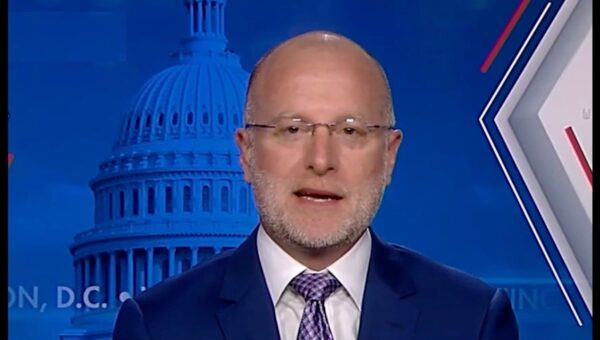
FCC Chair’s “Pledge America” Campaign Sparks Controversy
FCC Chair Brendan Carr's "Pledge America" campaign encourages broadcasters to air more patriotic content, including the national anthem and Pledge of Allegiance. The initiative has sparked controversy, with critics accusing Carr of overreach and potential First Amendment violations.
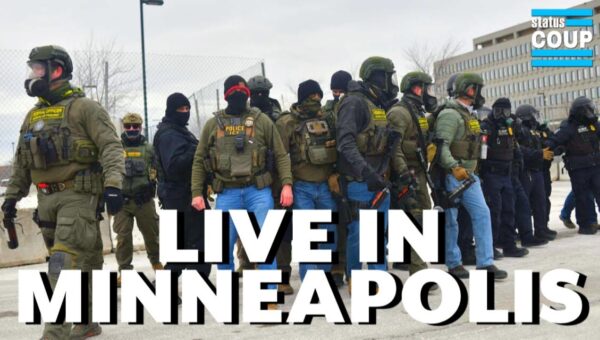
ICE Protest Erupts in Minneapolis: Activists Demand Halt
Activists gathered outside the Whipple Federal Building in Minneapolis to protest Immigration and Customs Enforcement (ICE) operations in Minnesota. Independent journalist Andrew Mercado of Mercado Media is reporting on the ground, highlighting the group's sustained presence and call for public support.

Gaines Accused of Xenophobia in Immigration Debate
Brian Tyler Cohen challenged conservative commentator Riley Gaines' definition of 'American' during a debate, arguing that qualifying Americanness based on assimilation or political views is un-American. Cohen suggested the focus on immigration is a political distraction from economic failures.