Fertilizer Crisis Looms: Iran’s Strait Closure Threatens US Farms
Iran's closure of the Strait of Hormuz is creating a fertilizer shortage that threatens U.S. farms. Agriculture Secretary Brooke Rollins has called the issue a national security concern. While many farmers secured supplies last fall, a significant portion still need fertilizer, facing rising costs due to fuel prices and shipping disruptions.


Fertilizer Crisis Looms: Iran’s Strait Closure Threatens US Farms
A growing fertilizer shortage, fueled by Iran’s actions in the Strait of Hormuz, is raising serious concerns for American farmers. Agriculture Secretary Brooke Rollins recently spoke about the issue, highlighting its importance as a matter of national security. The disruption in a key global shipping route is impacting the availability and cost of essential farming supplies.
Global Supply Chains Under Pressure
The Strait of Hormuz is a vital waterway for global trade, especially for oil and other key commodities. Iran’s decision to close this strait has created significant shipping disruptions. This blockage affects the export of nitrogen fertilizers made in the Persian Gulf region. It also limits access to crucial ingredients needed to produce fertilizer.
The United States relies on imports for a portion of its fertilizer needs. About 15% of the fertilizer used in the U.S. comes from the Middle East. Furthermore, a major component used in fertilizer production, known as urea, sees a significant portion of its global supply originating from this same region. The American Farm Bureau Federation notes that about half of the world’s urea supply comes from the Middle East.
Fuel Prices Add to the Problem
Adding to the fertilizer crunch, fuel prices have also seen a sharp increase. These prices began climbing in late February, coinciding with the start of the conflict in Iran. Fuel is a key ingredient in the manufacturing process of fertilizer. Higher energy costs directly translate into higher fertilizer costs for farmers.
Farmers’ Preparedness and Government Response
Secretary Rollins offered some encouraging news regarding farmer preparedness. She stated that approximately 80% of American farmers had already secured their fertilizer supplies last fall. This means that as the planting season gets underway, only about 20% to 25% of farmers are still looking to obtain their fertilizer. The Department of Agriculture is actively working to assist this group.
The department’s focus is on ensuring these farmers can acquire the necessary fertilizer without facing financial ruin. The goal is to provide support and find solutions to bridge the gap created by the supply chain issues and rising costs. This proactive approach aims to prevent widespread economic hardship for those still needing to purchase their supplies.
Why This Matters
This situation highlights the delicate balance of global supply chains and how events in one part of the world can have a ripple effect across continents. The availability of fertilizer is directly linked to food production. If farmers cannot access affordable fertilizer, crop yields could suffer, potentially leading to higher food prices for consumers.
The dependence on international trade routes and specific regions for essential goods like fertilizer shows our interconnectedness. It also underscores the importance of national security considerations that extend beyond traditional military concerns to include economic stability and resource access.
Implications, Trends, and Future Outlook
The current fertilizer shortage could accelerate trends towards more localized food production and greater investment in domestic fertilizer manufacturing. Farmers might explore alternative or more efficient fertilization methods to reduce their reliance on external supplies. We could also see increased research into sustainable farming practices that require less synthetic fertilizer.
The long-term impact will depend on how quickly global shipping routes are restored and how geopolitical tensions in the Middle East are resolved. If these disruptions continue, the U.S. may need to diversify its sources of fertilizer or invest in increasing its own production capacity. This event serves as a stark reminder of the vulnerabilities within global food systems.
Historical Context
Fertilizer shortages are not entirely new. Historically, disruptions caused by wars, trade disputes, or natural disasters have impacted fertilizer availability. For instance, after World War I, there were efforts to increase the production of nitrogen fertilizers, which had been developed for explosives, for agricultural use. The energy crises of the 1970s also led to significant increases in fertilizer prices due to rising natural gas costs, a key component in fertilizer production.
Each of these past events has prompted adjustments in agricultural practices and policy. They have often led to a greater focus on efficiency and a search for more stable, domestic sources of agricultural inputs. This current situation is another chapter in that ongoing story of adaptation and resilience in the face of global challenges.
Source: Rollins Addresses Fertilizer Shortage Amid Hormuz Strait Closure (YouTube)

Related Articles
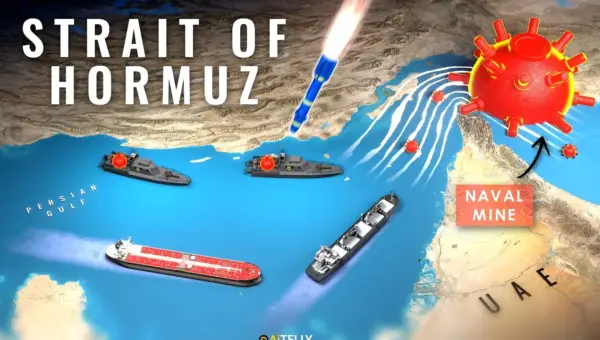
US Strikes Iran’s ‘Mosquito Fleet’ to Secure Oil Lanes
Iran's use of naval mines and fast attack boats in the Strait of Hormuz prompted a decisive US response. The US employed a preemptive strategy, striking mine-laying ships and storage facilities with precision-guided missiles and bombs.

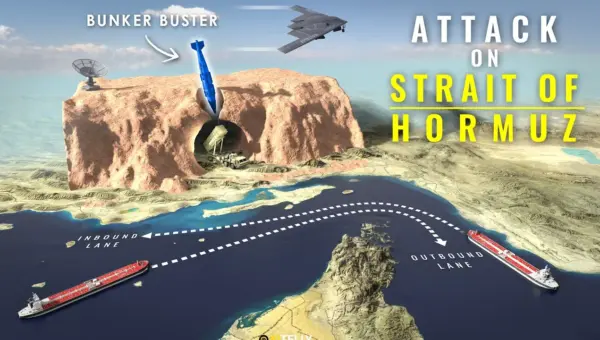
Iran’s Strait of Hormuz Trap: How the US Fights Back
Iran's strategy to control the Strait of Hormuz involves using islands as bases for anti-ship missiles and launching swarm attacks with small boats. The US counters with advanced defense systems, surveillance drones, and powerful bunker-buster bombs, highlighting the ongoing tension in this vital global shipping lane.

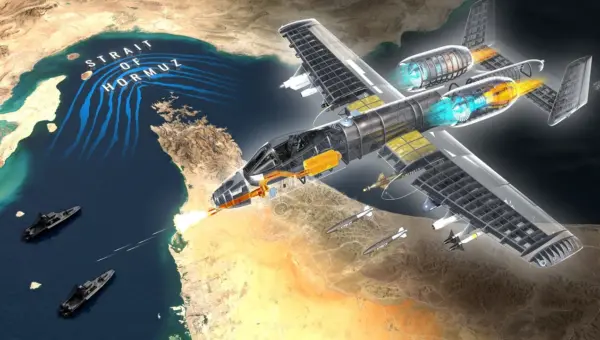
A-10 Warthog Defies Retirement in Hormuz Strait
The U.S. Air Force's plan to retire the A-10 Thunderbolt faces a challenge in the Strait of Hormuz. Its unique design, built for low-and-slow flight and extreme durability, makes it essential for countering small boats and drones in the narrow waterway. The Warthog's ruggedness and specialized firepower prove its continued value.