Fertilizer Crisis Looms: Iran Tensions Threaten Global Food Security
Geopolitical tensions in the Strait of Hormuz are threatening global food security by disrupting vital fertilizer shipments. Experts warn of a potential fertilizer shock as key exporting nations face supply chain risks, potentially leading to smaller harvests and higher food prices worldwide.

Global Food Security Imperiled by Strait of Hormuz Blockade
A potential escalation of conflict involving Iran is casting a long shadow over global food security, with experts warning of a looming fertilizer shock. The Strait of Hormuz, a critical global oil chokepoint, is now at the center of concerns for a different, equally vital commodity: fertilizers. The disruption of fertilizer shipments through this vital waterway could have devastating consequences for agricultural production worldwide, impacting everything from crop yields to the price of staple foods.
The Fertilizer Lifeline Through Hormuz
Fertilizers, particularly urea and ammonia, are indispensable components of modern agriculture, contributing to the growth of roughly half of the world’s food supply. The region encompassing Iran, Saudi Arabia, Qatar, and the UAE, along with Bahrain, plays a disproportionately significant role in the global fertilizer market. Together, these nations export more than a third of the world’s urea and nearly a quarter of its ammonia. Iran alone accounts for a staggering 10% of the global urea supply. The potential disruption of these exports due to geopolitical tensions in the Strait of Hormuz poses a direct threat to the availability and affordability of these essential agricultural inputs.
A Critical Juncture for Farmers Worldwide
The timing of this potential fertilizer shortage could not be worse. Farmers across the Northern Hemisphere are currently preparing for spring planting, the period when fertilizer is most crucial for ensuring healthy crop development and maximizing yields. A scarcity or significant price increase of fertilizers at this pivotal moment could force farmers to reduce their application rates, leading directly to smaller harvests. This reduction in agricultural output, in turn, is predicted to drive up food prices globally, disproportionately affecting vulnerable populations and exacerbating existing food insecurity challenges.
Economic Repercussions and Shifting Supply Chains
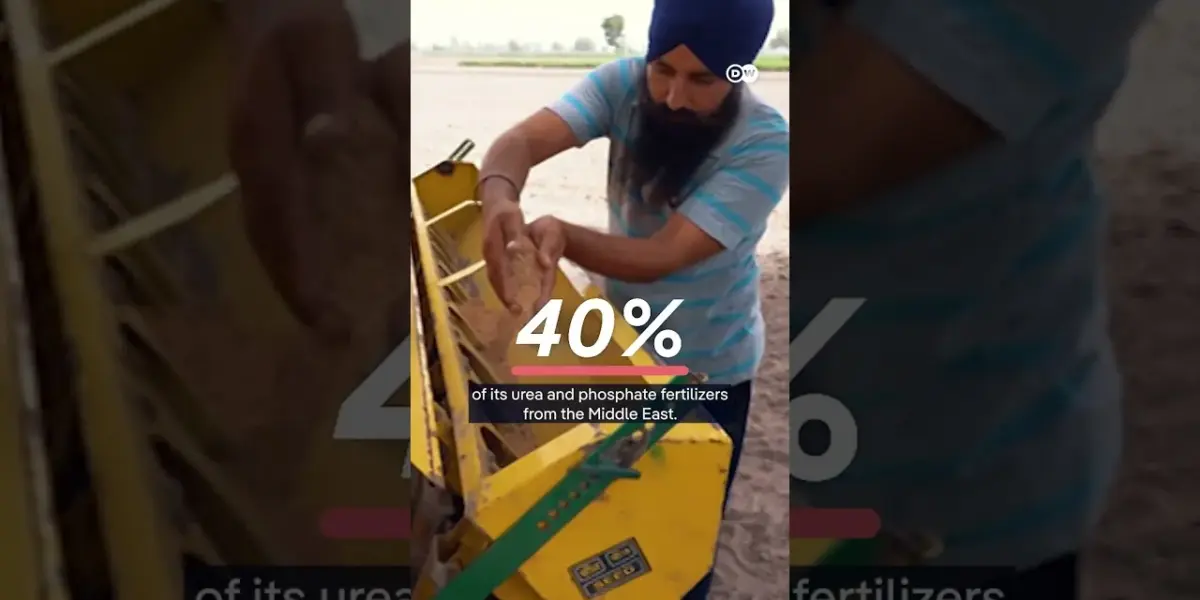
The economic implications are already becoming apparent. In the United States, tariffs have previously contributed to higher food prices, and a fertilizer shock would only amplify these pressures. India, a nation heavily reliant on fertilizer imports, is particularly exposed. Approximately 40% of its urea and phosphate fertilizers are sourced from the Middle East. As supply chains face potential disruption, the world will inevitably look for alternative suppliers. China, a major producer, has already tightened its fertilizer export policies to safeguard its domestic agricultural needs, limiting global options. Furthermore, China’s own fertilizer production is constrained, as a significant portion of the sulfur required for its manufacturing process originates from countries west of the Strait of Hormuz, creating a cascading effect of supply chain vulnerabilities.
Market Signals of an Impending Crisis
Financial markets are already reflecting the growing concern over a potential fertilizer crisis. Benchmark urea prices in Egypt experienced a dramatic surge, jumping from $485 to $665 per ton within a single week – a significant increase of 37%. This sharp price hike serves as a clear indicator of market stress and anticipation of future shortages. When fertilizer becomes prohibitively expensive, farmers are often compelled to reduce their usage, directly translating into diminished harvests and, consequently, higher food prices for consumers.
Broader Implications and Geopolitical Risk
The situation underscores the intricate interconnectedness of global geopolitics and food security. The Strait of Hormuz, historically significant for oil transit, now highlights its crucial role in the global food system. Any military or political instability in the region that impedes the flow of fertilizers could trigger a widespread food crisis. This emphasizes the need for international cooperation and de-escalation to ensure the uninterrupted supply of essential agricultural commodities. The reliance on a concentrated geographic area for such a critical input also raises questions about supply chain resilience and the need for diversification of fertilizer sources.
Looking Ahead: What to Watch
The coming weeks and months will be critical in determining the trajectory of the global fertilizer market and its impact on food security. Continued geopolitical developments in the Middle East, particularly concerning Iran and the Strait of Hormuz, will be closely monitored. Shifts in fertilizer export policies by major producers like China, and the success of nations in securing alternative supply routes, will be key factors. Farmers’ planting decisions in response to current and projected fertilizer prices will also provide crucial insights into the potential scale of harvest reductions. The global community will be watching to see if diplomatic efforts can mitigate tensions and prevent a crisis that could leave millions facing food shortages and soaring prices.
Source: Why war in Iran is a global food risk | DW News (YouTube)

Related Articles

Iran Blocks China Ships, Exposing Beijing’s Weak Grip
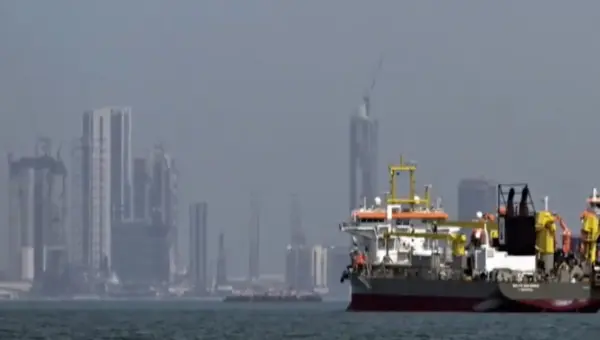
Iran's recent decision to block Chinese ships at the Strait of Hormuz is exposing the limits of Beijing's influence in the Middle East. This action is causing delays and cancellations for Chinese manufacturers, turning a perceived geopolitical win into an economic strain.

Rubio: US Can Achieve Iran War Goals Without Troops
Senator Marco Rubio outlined a strategy to counter Iran without deploying U.S. ground troops, focusing on weakening the regime and enhancing maritime security. He also criticized Cuba's economic system and expressed concerns about West Bank violence.


Farmers Need Innovation and Support Now
As planting season begins, American farmers face rising costs and global disruptions. An industry analyst calls for more innovation, investment, and policy support to ensure the future of family farms and food security for all.