Female Leaders Shine, But CEO Pipeline Needs Work
Despite strong female representation on UK boards, the number of female CEOs in the FTSE 100 has stagnated. Experts highlight the need to build a stronger talent pipeline by ensuring women gain crucial revenue-generating experience and by evolving workplace cultures to support diverse leadership styles. The business case for diversity remains clear, with studies showing that companies with better gender balance often perform better financially.

UK Businesses See Strong Board Representation, Stagnation at CEO Level
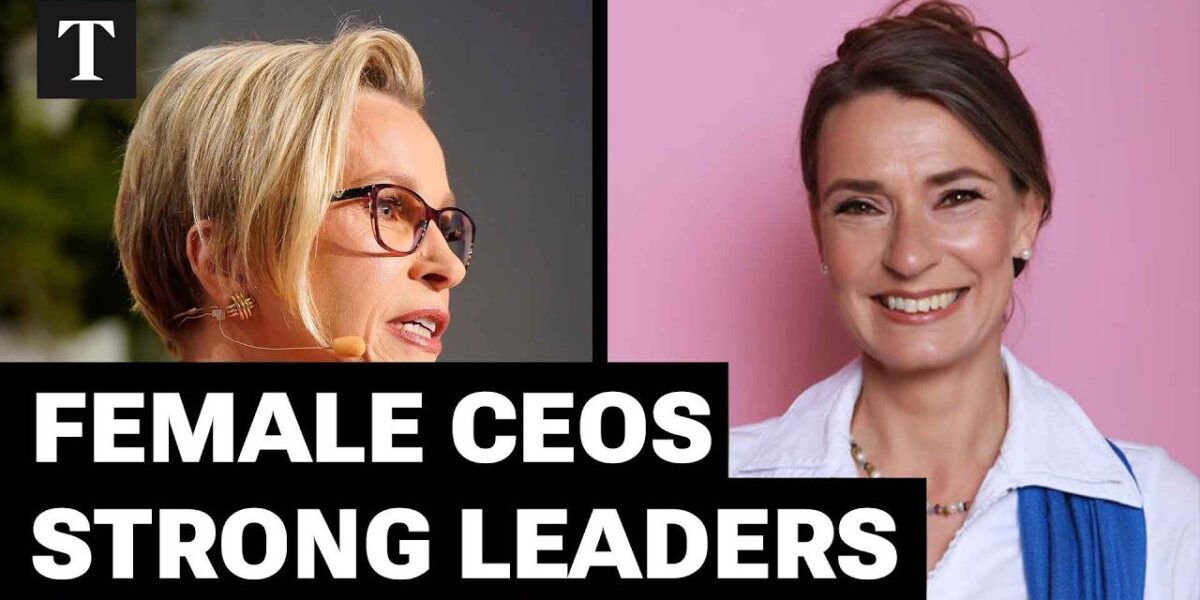
The United Kingdom has made significant strides in gender diversity within corporate boardrooms, with women now occupying approximately 43% of board roles across FTSE 350 companies. Nearly nine out of ten companies are meeting or nearing the 40% target for female representation. However, this progress appears to have stalled at the very top, with the number of female Chief Executive Officers (CEOs) in the FTSE 100 remaining static at nine for the past two years. This stagnation raises critical questions about the pathways to the top executive positions and the systemic barriers that may still exist for women in British business.
The CEO Role: A Unique Challenge
Vivian Art, CEO of the FTSE Women Leaders Review, highlighted the specific challenges faced by women aspiring to CEO roles. While acknowledging the considerable progress in overall board representation, Art pointed out the slow advancement in the CEO position. “The progress in relation to the CEO role has been slow,” she stated, noting that the number of female CEOs in the FTSE 100 has hovered around eight or nine in recent years. This lack of significant growth at the pinnacle of corporate leadership contrasts sharply with advancements in other board positions, such as Chair, Finance Director, and Senior Independent Director.
Art also touched upon the disproportionate scrutiny female CEOs often face. “They are scrutinized in a very different way, aren’t they?” she questioned, explaining that women in these roles can be subjected to personal or irrelevant questions that men typically are not. This intense and often biased media attention can create an environment that makes it difficult for women to succeed and be judged solely on their professional merits and track record.
Building the Talent Pipeline: The Crucial Next Step
A key factor identified in the slow progress of female CEO appointments is the health of the talent pipeline. Art emphasized the need to cultivate a broader pool of women prepared for top executive roles. “If we’re serious about building the pipeline, if we’re serious about seeing more female CEOs, then we need to be looking at how we are preparing our talent to make sure that they have the right exposure to the range of roles within an organization,” she explained.
This preparation involves ensuring women gain experience in crucial revenue-generating and P&L (profit and loss) responsibilities. Roles such as Head of Sales or Chief Financial Officer, which are directly linked to a company’s financial performance and customer interaction, are often seen as natural precursors to CEO positions. In contrast, Art noted that women tend to be overrepresented in functional roles like General Counsel, Head of Compliance, or even Chief Information Officer, which, while vital, may not provide the same direct line to ultimate executive leadership. She did, however, acknowledge the growing number of female CIOs and questioned whether, in an increasingly digital world, these roles should also be groomed for top leadership positions.
“The progress in relation to the CEO role has been slow. Um, in 2021 we had eight and in 2025 we have nine now… which is not exactly astronomical um progress.”
The Role of Support Systems and Evolving Work Cultures
The demanding nature of the CEO role, often requiring 24/7 commitment, also presents a significant consideration. The transcript alluded to the necessity of a supportive partner, referencing Dr. Suzanne Joel Morris’s book “Female Breadwinners,” which identified partner support as a key ingredient for success among women in high-earning roles. This underscores the societal expectation and practical need for robust personal support systems for those at the helm.
Furthermore, the conversation touched upon the evolving nature of work culture, particularly regarding ‘presenteeism.’ While some sectors may still value physical presence, research from institutions like King’s College London suggests that flexible working can be just as, if not more, effective. Art suggested that redefining leadership to embrace flexibility could make the CEO role more attractive and accessible to a wider range of candidates, including women.
Diversity Drives Success: The Business Case
The correlation between gender diversity and financial performance was also a prominent theme. Companies with better gender representation at the board and leadership levels, particularly within the FTSE 100, tend to exhibit stronger financial results. “Money talks and it’s saying something, isn’t it?” commented the interviewer, reinforcing the undeniable business case for diversity. This suggests that embracing a broader spectrum of talent not only fulfills diversity objectives but also directly contributes to enhanced profitability and resilience.
Leadership in Crisis and the Power of Role Models
The transcript also drew parallels between leadership during crises, such as the COVID-19 pandemic, and the demonstrated strengths of female leaders. “During the pandemic, we saw it was a lot of those female leaders had the ability to lead in unchartered territory,” the speaker noted, emphasizing their capacity for emotional intelligence and connecting with people during times of global uncertainty and personal struggle. These crisis-tested leadership qualities are invaluable in today’s volatile business landscape.
The importance of celebrating successes and acknowledging the role of supportive individuals, including partners, was also raised. The discussion implicitly called for a societal shift in valuing diverse forms of support, moving beyond traditional notions of masculinity to embrace a broader understanding of partnership and shared responsibilities. The “glass cliff” phenomenon, where women are sometimes appointed to high-risk leadership positions, was also mentioned, highlighting the need for a balanced perspective that acknowledges both challenges and successes.
Looking Ahead: Redefining Criteria and Fostering Talent
As the UK business world looks to the future, the focus is shifting towards redefining the criteria for leadership. Instead of solely seeking candidates with prior CEO experience, there is a growing recognition of the value of fresh perspectives and diverse skill sets in navigating an increasingly unpredictable world. The success stories of female CEOs in companies like Severn Trent, Diageo, and GSK, despite facing enormous challenges, serve as powerful role models. Credit was given to the visionary chairs of these boards for identifying and appointing top talent. Furthermore, the significant role men have played in driving change, particularly through initiatives like the FTSE Women Leaders Review, was acknowledged, emphasizing that progress requires collaborative effort.
The path forward requires a concerted effort to ensure that talent is assessed differently, with a focus on potential, a range of skills, and the ability to lead with empathy and adaptability. By addressing the pipeline issues, challenging traditional work culture norms, and celebrating diverse leadership, the UK aims to build more resilient and successful organizations, ensuring that the considerable progress seen at the board level translates into greater representation at the very top.
Source: Female Leaders Remain Strong In An “Unprecedented” World (YouTube)

Related Articles

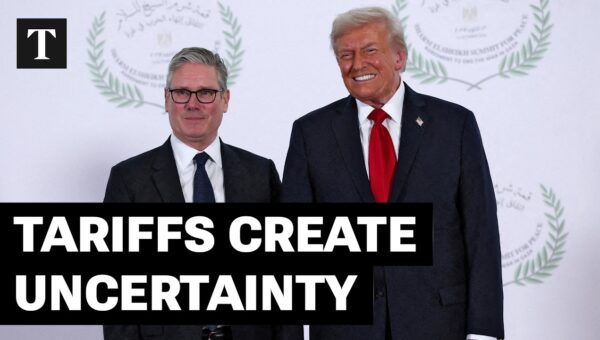
Supreme Court Strikes Down Trump’s ‘Liberation Day’ Tariffs, Plunging UK Businesses into Deep Uncertainty
The US Supreme Court has ruled Donald Trump's 'Liberation Day' tariffs illegal, creating profound uncertainty for UK businesses. While Trump swiftly announced new temporary tariffs, the decision leaves exporters grappling with unstable trade conditions, an inability to plan long-term, and an unclear path for potential refunds on billions of dollars in collected duties.

Trump Threatens “Unseen” Force on Iran After Leader’s Death
Following the assassination of Supreme Leader Ayatollah Ali Khamenei, U.S. President Donald Trump has vowed to unleash unprecedented force on Iran. While outlining ambitious goals including regime change, experts express skepticism about the effectiveness of airstrikes and the potential for popular uprising against a resilient Iranian government.

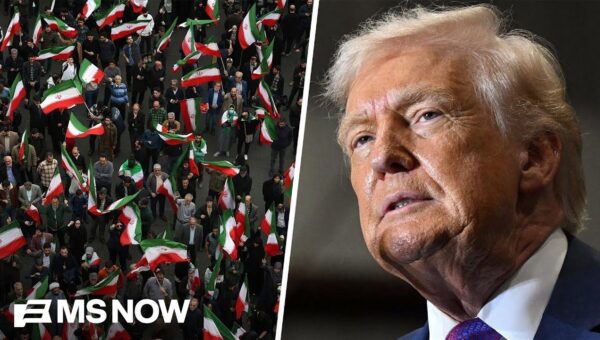
Senator Coons Questions Trump’s Iran Strategy After Troop Deaths
Senator Chris Coons has sharply criticized President Trump's strategy in Iran following the deaths of three U.S. service members. Coons questioned the intelligence regarding Iran's nuclear proximity and the lack of clear strategy and congressional debate for the "war of choice."