FedEx Sues US Government Over Trump Tariffs
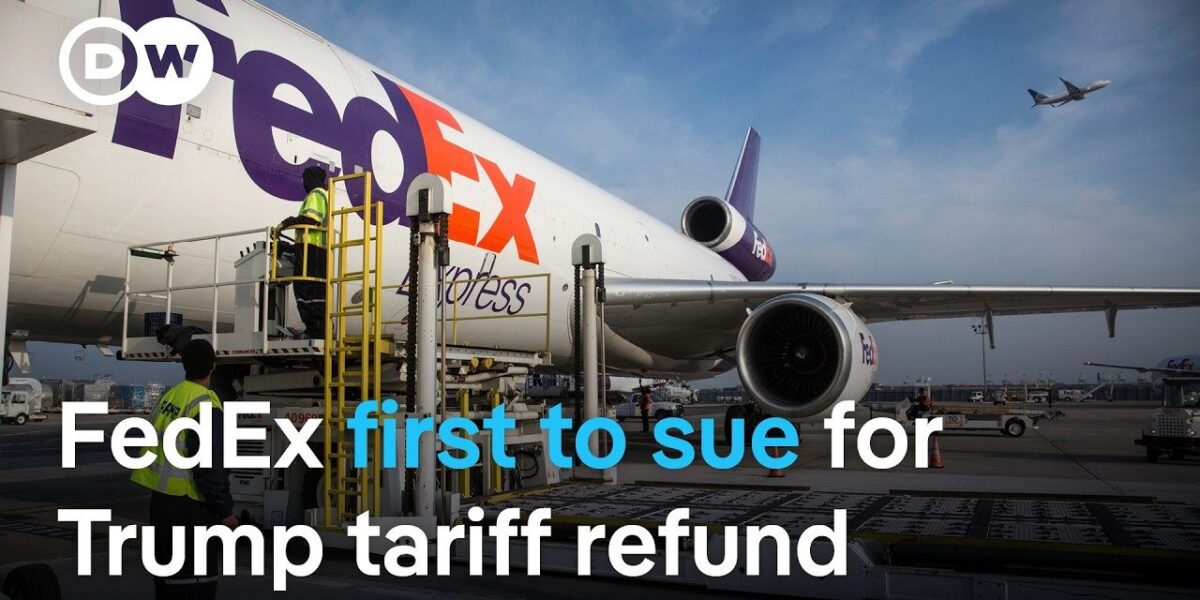
FedEx has sued the U.S. government, seeking a refund of billions in tariffs imposed under the Trump administration. This move follows a Supreme Court ruling that deemed the president's use of emergency powers for tariffs illegal. The case could lead to years of litigation and potentially impact over a thousand other companies.

FedEx Leads Corporate Challenge Against Trump Tariffs
In a landmark legal move, logistics giant FedEx has initiated a lawsuit against the United States government, demanding a full refund of tariffs paid under the Trump administration. The company’s filing at the U.S. Court of International Trade marks the first major corporate challenge seeking recompense for duties imposed through presidential emergency powers. This action follows a recent U.S. Supreme Court ruling that declared President Trump’s use of these powers to implement sweeping tariffs to be illegal.
The implications of FedEx’s lawsuit extend far beyond the company itself. Over a thousand importers have already filed similar cases in the trade court, with many more anticipated. This wave of litigation underscores a significant dispute over the legality and financial repercussions of the administration’s trade policies.
The Scale of the Dispute: Billions at Stake
Professor Abigail Hall, an economist at the University of Tampa, explained the magnitude of the financial claims involved. “You’re talking about an estimated 130 to 175 billion dollars that were collected over the last year under the EA,” she stated, referring to the economic impact of the tariffs.
Hall elaborated on FedEx’s specific position: “What a lot of people don’t know is that FedEx and similar companies pay tariff duties upfront and then subsequently bill their customers. So they do have a legal claim that they have been harmed by these tariffs because ultimately FedEx, depending on where transactions occurred in time, could very well be left holding the purse, so to speak, for these tariffs.” This upfront payment structure gives FedEx and other logistics providers a direct financial stake and a clear legal standing to seek refunds.
Navigating the Path to Refunds: Uncertainty and Precedent
The process for obtaining these refunds, should FedEx and other companies prevail, remains complex and uncertain. “Historical precedent when it comes to tariff refunds or rebates have largely depended on kind of how things are litigated to determine who’s eligible for a refund or a rebate and how those are conducted,” Professor Hall noted.
In theory, the Treasury Department or Customs and Border Patrol, named as defendants in the lawsuit, could issue directives on how refunds would be processed. Companies would then need to provide documentation to support their claims. However, Hall cautioned about potential governmental reluctance: “We’ve seen though in this administration a reluctance to do as it’s told essentially.” This suggests that even a legal victory for FedEx might not guarantee a swift or straightforward reimbursement.
“historical precedent when it comes to tariff refunds or rebates um have largely depended on kind of how things are litigated to determine who’s eligible for a refund or a rebate and how those are conducted.” – Abigail Hall, Professor of Economics, University of Tampa
Years of Litigation Ahead?
The Supreme Court’s ruling on the International Economic Emergency Power Act (IEEPA) addressed the president’s authority to impose tariffs but left the question of rebates open. This ambiguity has fueled the surge of lawsuits in the U.S. Court of International Trade, the designated venue for resolving such disputes.
Professor Hall anticipates a protracted legal battle. “But you’re likely talking about years of litigation and trying to figure out exactly how this is going to play out, not just for FedEx, but for as you mentioned now the more than 1,000 companies who filed suit against the U.S. government.” The history of tariff disputes has often involved extensive legal action, with rates fluctuating and companies engaging in a continuous cycle of litigation.
Anticipating the Court’s Decision
Despite the procedural complexities and the potential for lengthy delays, Professor Hall expressed optimism regarding the likely outcome for claimants like FedEx. “Given that the Supreme Court ruled that the president did not have broad sweeping authority to impose tariffs of this magnitude, I would anticipate that companies are going to be entitled to a refund of those tariffs,” she stated.
The core of the legal argument rests on the Supreme Court’s determination that the president overstepped his authority. Therefore, Hall finds it improbable that the Court of International Trade would uphold the government’s retention of funds collected under legally questionable circumstances. “I would find it very difficult given the Supreme Court ruling that the Court of International Trade would come back and say that the administration could keep the funds that they had collected,” she concluded.
Looking Ahead: The Future of Tariffs and Corporate Lawsuits
The FedEx lawsuit is more than just a dispute over past payments; it sets a precedent for how corporations can challenge government trade policies and seek redress. As the Court of International Trade grapples with this complex web of claims, the outcomes will have significant financial and political ramifications. The ongoing litigation, coupled with any new tariff measures the administration might introduce, will be critical to watch in the coming months and years, potentially reshaping corporate-government relations in trade matters.
Source: Will the US government have to pay up? | DW News (YouTube)

Related Articles


Iran Rejects Trump Ceasefire Offer Amid Escalating Regional Conflict
Iran has rejected a ceasefire offer from the Trump administration, escalating regional tensions and leading to U.S. casualties. The conflict, dubbed 'Operation Epic Fury,' has seen Iranian retaliatory strikes across the Middle East and disruption in the Strait of Hormuz.

Bondi’s Court Blunder Could Cost US Billions
A court filing from Pam Bondi's Department of Justice may have committed the U.S. to refunding $170 billion in tariffs. This legal promise was made during challenges to Trump-era tariffs, with the DOJ assuring the court that collected funds would be repaid if the tariffs were overturned.

Congressman Demands Vote on Trump’s Iran Strikes
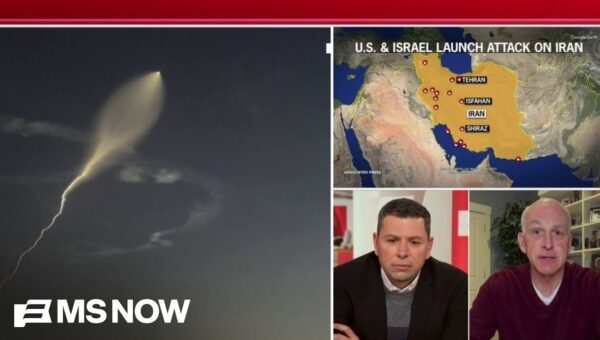
Democrats are demanding a Congressional vote on President Trump's recent military strikes against Iran, citing concerns over executive overreach and a lack of transparency. Congressman Adam Smith criticized the "authoritarian" approach and the failure to brief lawmakers, while also advocating for the repeal of the outdated 2001 AUMF.