Fed Minutes Signal Rate Hikes, Geopolitical Tensions Rise
Federal Reserve minutes reveal growing concerns over persistent inflation, casting doubt on market expectations for interest rate cuts. This comes amid reports of a significant military buildup in the Middle East, suggesting escalating geopolitical tensions.

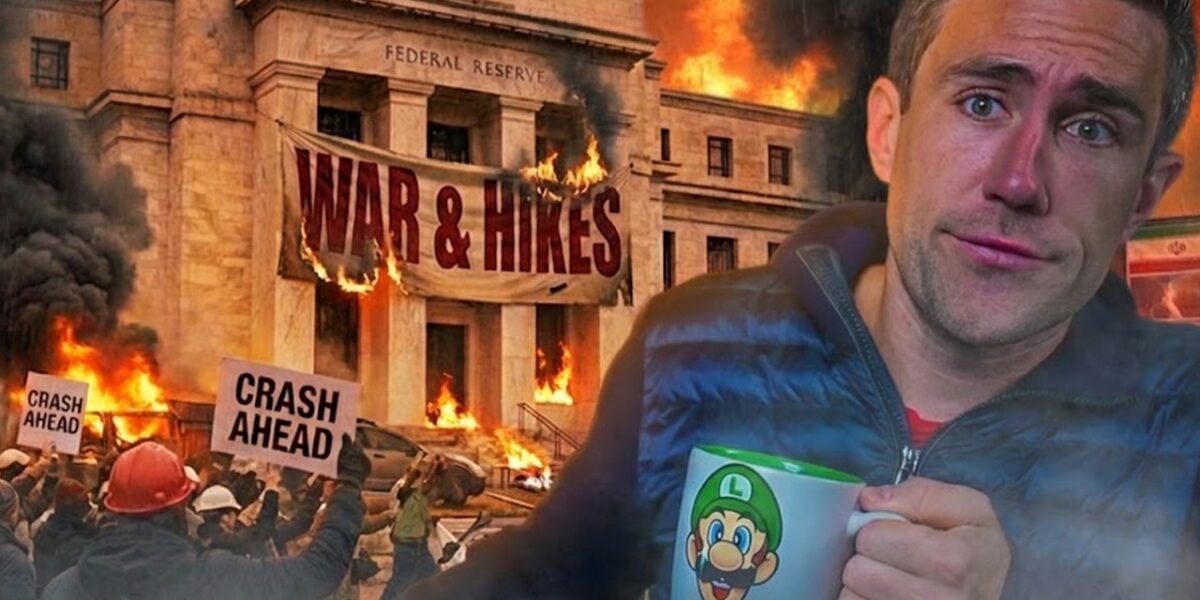
Fed Minutes Signal Rate Hikes, Geopolitical Tensions Rise
Markets are bracing for a potential double dose of uncertainty as Federal Reserve minutes reveal a shift in sentiment regarding interest rate cuts, coinciding with escalating geopolitical tensions, particularly concerning Iran. The prevailing market expectation for multiple rate cuts by the end of 2024 is now being challenged, potentially signaling a more hawkish stance from the central bank.
Inflationary Concerns Resurface
Recent minutes from the Federal Open Market Committee (FOMC) indicate that the Federal Reserve’s perspective on inflation may be evolving. While market participants overwhelmingly anticipated at least two interest rate cuts by December, with a greater than 75% probability assigned to two or even three cuts by December 9th, the Fed’s internal discussions suggest a recalibration of these expectations. The central bank appears increasingly concerned about the persistence of inflation, even as some disinflationary trends, such as in housing services, are observed.
A key takeaway from the minutes is the Fed’s heightened awareness of how public perception of inflation influences spending behavior. If consumers believe prices will continue to rise, they are incentivized to spend now, which can, in turn, fuel further inflation. This dynamic is exacerbated by factors such as rising food and energy costs, partly attributed to geopolitical fears, and structural issues like the demand for land for data centers impacting residential housing availability.
The minutes explicitly note that while housing services have shown deceleration, core goods price inflation has picked up, a development the staff largely attributed to the effects of tariffs. This suggests that trade policies are playing a significant role in the current inflationary environment, complicating the Fed’s efforts to bring inflation back to its 2% target.
Tariffs and Persistent Inflation
The transcript highlights that the impact of tariffs, particularly those implemented by the Trump administration, has been borne largely by consumers. Studies suggest that consumers have paid approximately 90% of the tariffs imposed. This increased cost of goods reinforces the ‘spend now’ mentality, contributing to robust GDP growth and retail sales in the short term, but potentially entrenching inflation over the longer term.
While the Fed anticipates that tariff-related inflation may begin to wane around the middle of the year, the risk of inflation proving more persistent than previously thought remains a significant concern. The minutes caution that easing policy prematurely could be misinterpreted by markets as a diminished commitment to the 2% inflation target, potentially making higher inflation more entrenched.
Geopolitical Risk: Iran Escalation
Compounding the uncertainty surrounding monetary policy is the growing concern over geopolitical instability. Reports indicate a significant military buildup in the Middle East, with over 150 US military cargo flights moving weapons and ammunition into the region in a 24-hour period. Additionally, 50 fighter jets have been deployed. These developments suggest a potential escalation of conflict, possibly involving regime change in Iran in coordination with Israel.
Historically, geopolitical crises have often led to increased demand for safe-haven assets like gold, silver, and Treasury bonds, while potentially causing short-term dips in equity markets and cryptocurrencies. The scale of the military deployments, including heavy-lift aircraft like the C-17 capable of carrying tanks, suggests preparations for a conflict with significant ground operations.
Market Impact and Investor Outlook
The confluence of potential Fed hawkishness and heightened geopolitical risk creates a complex environment for investors. The anticipated shift away from expected rate cuts could negatively impact equity markets, particularly growth stocks, while potentially benefiting bonds. The bond market, in particular, may see increased demand as investors seek safety amidst geopolitical uncertainty and a Federal Reserve perceived as serious about combating inflation.
What Investors Should Know:
- Interest Rate Expectations: The market’s strong conviction on rate cuts is likely to be tested. A Fed that holds rates steady or even considers hikes to combat inflation could lead to increased volatility in equities.
- Inflation Persistence: Concerns about sticky inflation, driven by factors like tariffs and geopolitical supply chain disruptions, suggest that the disinflationary trend may be slower or less consistent than hoped.
- Geopolitical Premium: Escalating tensions in the Middle East typically lead to a ‘risk-off’ sentiment, favoring traditional safe-haven assets and potentially pressuring riskier assets like stocks and cryptocurrencies.
- Sector Rotation: If tariffs begin to ease, sectors and companies that import goods or are sensitive to trade costs could benefit. Conversely, a prolonged period of uncertainty or conflict could impact energy prices and global supply chains.
The next 6-12 months are likely to be characterized by significant uncertainty. While geopolitical events historically present ‘buy the dip’ opportunities in the long term, the immediate aftermath can involve sharp sell-offs. The Federal Reserve’s commitment to its 2% inflation target, coupled with the evolving geopolitical landscape, suggests that investors should prepare for a period of heightened volatility and potentially fewer immediate tailwinds for risk assets.
“The Federal Reserve argues that there’s still this deceleration going on in housing prices… However, what’s the problem with well, if that doesn’t stabilize? What’s right here? Take a look at this. The downside risks to employment have moderated in recent months, which is good. We don’t want a big layoff session. But the risk of more persistent inflation remained. And some commented that those risks have now come into better balance, suggesting or cautioning that easing policy further while we still have these elevated inflation readings could be misinterpreted by markets as implying diminished policymaker commitment to 2%.”
Source: Double Trouble: Rate Hikes and MAJOR War are Coming. (YouTube)

Related Articles

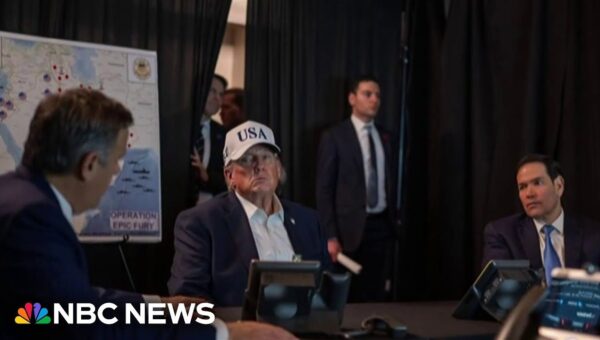
Trump: Iran Strikes Ahead of Schedule, Expects ‘Great Deal for World’
Three U.S. service members have been killed amid escalating conflict with Iran, President Trump confirmed. He stated that strikes are ahead of schedule, with senior Iranian leaders killed, and expressed optimism for a "great deal for the world" despite ongoing talks with Iranian officials.
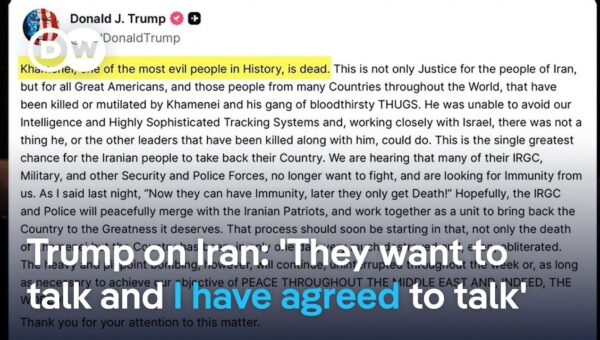
Trump Agrees to Talks with Iran After Major Strikes
President Donald Trump has agreed to talks with Iran's leadership following coordinated strikes that reportedly killed key figures, including the Supreme Leader. While Trump claims significant military successes, U.S. strategy remains unclear, and public opinion shows limited support for the actions amid rising American casualties.

Trump’s Putin Stance: US Strategy and Global Implications
Analysis suggests Donald Trump's approach to the Ukraine war involves pressuring Kyiv, but US involvement is crucial for resolution. China's influence and the 'MAGA' agenda's geopolitical implications are key factors.