Fed Holds Rates, But Analysts See Future Cuts Ahead
Analysts suggest the Federal Reserve may be shifting towards interest rate cuts, moving away from its previous hawkish stance. This pivot comes as economic indicators show mixed signals, with concerns about energy prices and potential deflation. Investors are watching closely for signs of a future economic slowdown that could prompt the Fed to ease monetary policy.

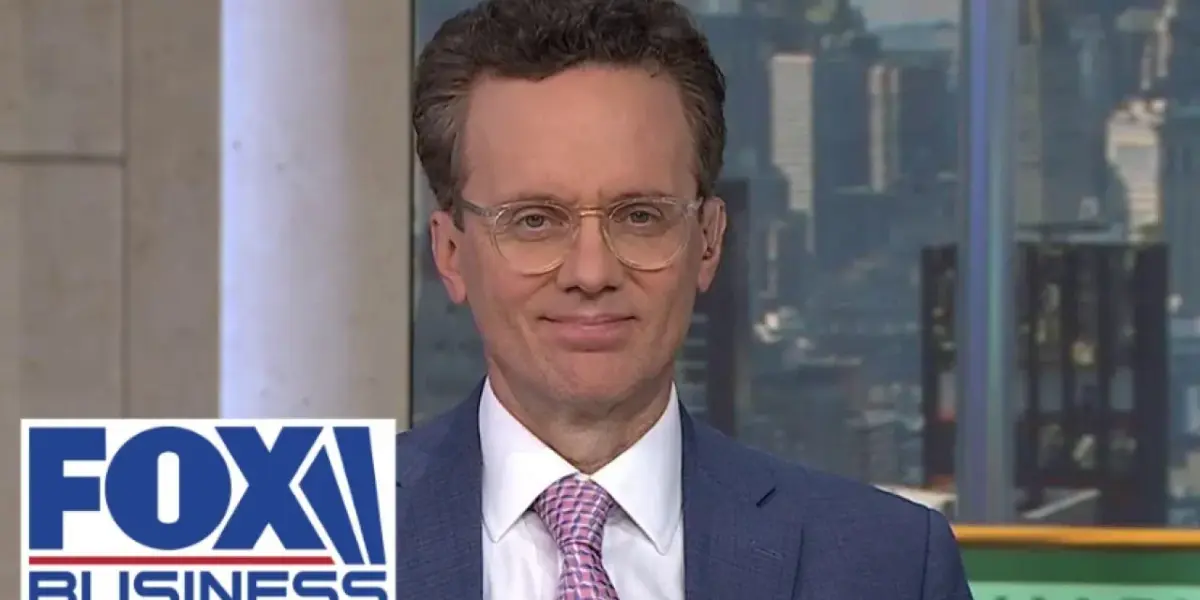
Fed Holds Steady, But Future Rate Cuts Eyed by Analysts
The Federal Reserve has paused its interest rate hikes, but a prominent economist suggests the pendulum has swung, and the next move will likely be a cut. This shift in outlook might have been underreported, with many in the financial media missing the subtle but significant message conveyed by Fed Chair Jay Powell. His recent remarks felt more relaxed, hinting at a potential change in the central bank’s aggressive stance.
This development comes as basic economic conditions are shifting. Oil prices, which had been a key driver for discussions about lowering inflation, are now presenting a different challenge. Higher oil prices, coupled with a stronger dollar and potentially higher interest rates, could significantly reduce demand. This scenario raises concerns about inflation turning into deflation, a situation where prices fall across the board.
For months, the narrative was clear: higher oil prices meant inflation risk. However, the recent economic signals suggest a pivot. Higher oil prices might now be seen as a precursor to recession. Analysts believe Powell may be signaling that the Fed recognizes this potential economic slowdown. He might be preparing the ground for a future rate cut, especially if gas prices continue to climb above $4 per gallon.
Fed’s Internal Debate and Future Projections
Powell, in his press conferences, is expected to consider the totality of economic factors, not just his personal views. This broader perspective could lead the Fed to a more balanced approach, potentially appeasing those on the committee who favored further rate hikes. The current economic situation feels like it is stretching out, with increasing uncertainty. This may lead the Fed to realize that the economy is not as strong as previously thought.
Some members of the Fed have been focused on keeping rates high to combat inflation. They might be looking closely at upcoming jobs reports to justify their stance. The key question is whether they can be persuaded that rate cuts are the right move. Their decision will likely depend on their economic projections. The Fed might also consider reorganizing its staff to adopt a more systematic approach to economic analysis.
Fed Chair Powell is known for his ability to build consensus within the committee. If the economic data compels a rate cut, he is expected to be able to champion that decision. If not, he will have significant work to do to convince the committee of a different path.
Economic Concerns and Potential Recovery
The biggest concern for the economy right now is the direction of energy prices. While the President has put in place supply-side measures aimed at boosting economic activity and lowering inflation, high energy costs hurt consumer and business confidence. They also reduce available cash flow, which does not help economic growth. The current economic frictions within the system are unlikely to aid expansion.
If the current economic challenges were to resolve within a month, it might be enough time to regain the momentum seen at the start of the year. Analysts suggest that the latter half of the year could be strong if overseas issues are resolved. However, there is a risk that government actions could push the situation from manageable to worse very quickly. It’s like overcooking food; a few extra seconds can ruin it. The economy can turn around quickly, and a strong second half is possible if global situations improve.
Consumer Confidence and Market Reactions
Consumer confidence recently came in better than expected. Despite lower expectations, there is more optimism about job security. Factors like potential tax cuts, incentives for overtime pay, and tax-free tips could be contributing to this improved outlook. The recent international conflicts, while concerning, have not significantly impacted markets as much as some might have predicted.
Market Impact
If markets begin to tighten, investors should take note. While the Fed is not expected to raise rates further, the short-term outlook for the market could improve. Investors may need to re-evaluate near-term risks as the economic landscape evolves. The potential for future rate cuts provides a backdrop for market strategy, but current economic data and global events remain critical factors.
“The pendulum has swung in the next move will be a cut.”
Source: The Federal Reserve is on hold, but the next move is a cut, analyst predicts (YouTube)

Related Articles
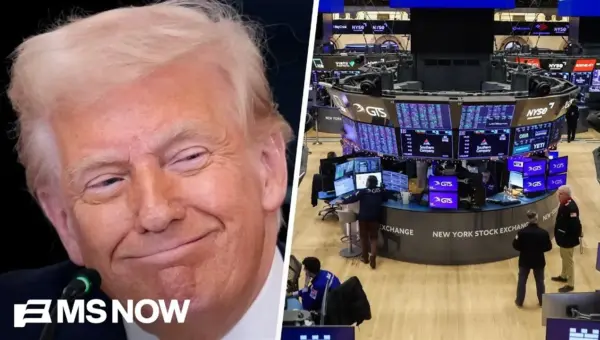
Economy Reels as Foreign Conflict Sparks Financial Fears
Millions of Americans are feeling the economic strain from foreign conflicts and rising living costs. Fluctuating financial markets reflect global anxieties, but the real impact is felt at home, with concerns over affording necessities like gas and healthcare. The disconnect between policy decisions and everyday struggles is a growing public concern.

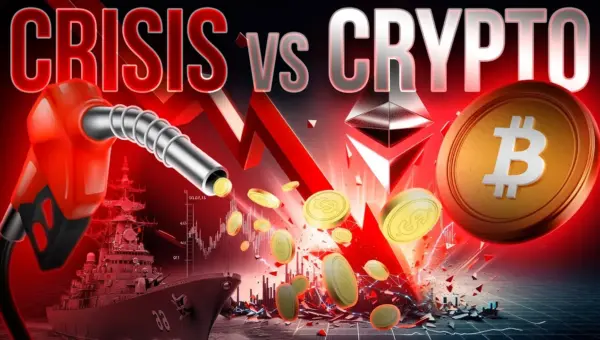
Crypto Rallies as War Fears Ease, Gas Prices Spike
Cryptocurrencies like Bitcoin and Ethereum saw gains as hopes rose for an end to the current Middle East conflict. However, rising gas prices to $4 per gallon and broader economic concerns continue to pressure markets. Investors are watching geopolitical shifts and inflation closely.


Oil Plummets, Markets Rebound: What’s Behind the Surge?
Oil prices plunged while the NASDAQ 100 saw a surprising rebound, driven by geopolitical news from Iran. Analysts suggest the market's upward move may be a short-covering rally, or "put squeeze," rather than a sign of fundamental strength, as tensions remain high.