Fed Hints at Rate Hikes as Inflation Fears Mount
The Federal Reserve is expected to signal a cautious approach to interest rate policy, with projections potentially indicating fewer rate cuts and a stronger focus on combating inflation. Investors are closely watching for hawkish signals from the upcoming economic projections and Fed Chair Powell's commentary.

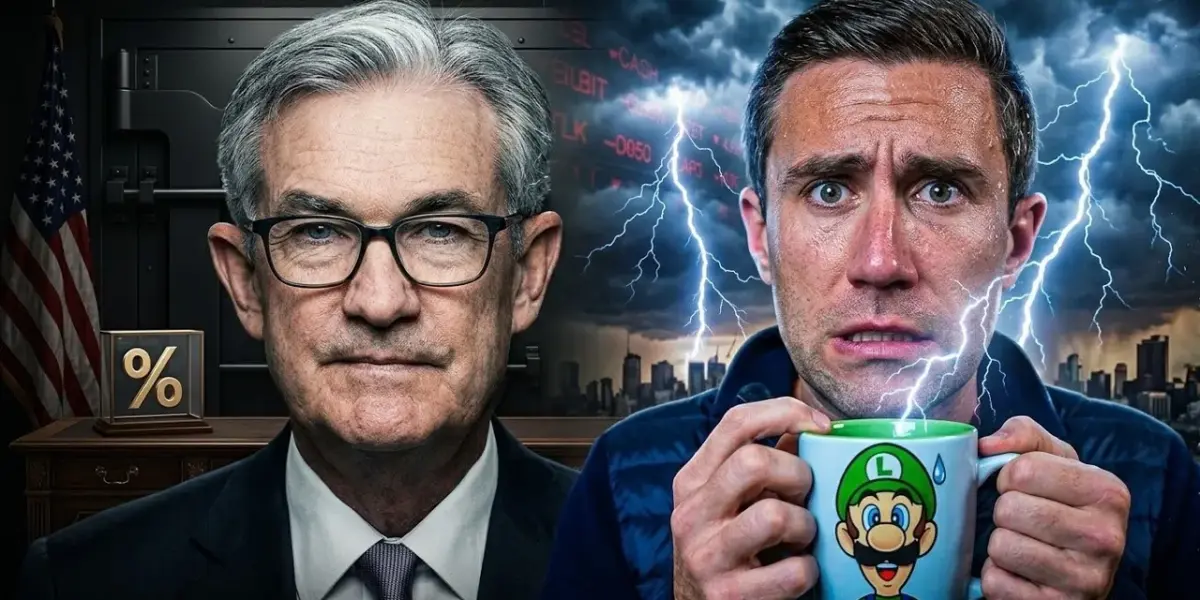
Fed Signals Potential Rate Hikes Amid Rising Inflation Concerns
Investors are bracing for signals from the Federal Reserve that could point towards future interest rate hikes, rather than cuts. While no immediate changes are expected at the upcoming meeting, market watchers are scrutinizing economic projections for clues about the Fed’s stance on inflation.
Key Economic Projections Under the Microscope
The Federal Reserve’s Summary of Economic Projections, set to be released soon, will be a critical document for understanding the central bank’s outlook. Historically, these projections, particularly the “dot plot,” have offered insights into policymakers’ expectations for future interest rates. Last December, the Fed projected a change in real Gross Domestic Product (GDP) for 2026 at 2.3%. While this figure might be slightly adjusted downwards to around 2.2%, it is not expected to be a major driver of market sentiment.
Similarly, projections for the unemployment rate are anticipated to see only minor upward adjustments, perhaps to between 4.5% and 4.6%. The most significant concern appears to be inflation. Projections for the Personal Consumption Expenditures (PCE) price index, a key inflation gauge, are expected to rise, potentially reaching 3% due to factors like the ongoing impact of oil prices. Some analysts believe the core PCE inflation could even approach 2.6%.
Wall Street vs. Fed Expectations on Rates
Wall Street analysts currently forecast a federal funds rate of 3.4% by the end of the year, implying about one more rate cut. There is a roughly 70% chance that markets are pricing in this single cut. Looking further ahead, Wall Street expects rates to fall to around 3.1% by 2027 and remain there long-term. Crucially, these forecasts do not include any rate hikes.
However, the Fed’s own projections could paint a different picture. Analysts are watching closely for any indication that the median projection for the federal funds rate by the end of the year could be revised upwards to 3.6%. This would suggest that more than half of the Fed’s voting members believe there will be no rate cuts this year. A figure above 3.6%, such as 3.7% or 3.8%, would be a significant cause for concern, signaling that the era of interest rate cuts might be ending as the Fed prioritizes fighting inflation.
Understanding the ‘Dot Plot’
The “dot plot” within the Summary of Economic Projections represents each Fed official’s individual forecast for the federal funds rate. The “central tendency” shows the median forecast, excluding the highest and lowest projections. If the central tendency for the federal funds rate moves above 3.6% for the end of the year, it would indicate a hawkish shift, meaning policymakers are leaning towards keeping rates higher for longer or even raising them to combat inflation. The wider “range” of projections, which might extend to 4% or higher, shows the diversity of opinions but the central tendency is considered more influential for market direction.
Fed Chair Powell’s Stance on Inflation
Federal Reserve Chair Jerome Powell is expected to adopt a more forceful tone regarding inflation. It is highly probable that he will step away from using the word “transitory” to describe current inflationary pressures. This term has been associated with various economic shocks over the past few years, including geopolitical events and trade policies, which have had lasting effects. Powell is likely to emphasize the Fed’s commitment to bringing inflation under control, which may involve a more hawkish stance.
This shift in language is crucial because inflation expectations are beginning to rise. The 5-year breakeven inflation rate, a market-based measure of expected inflation, has reached its highest point since April of last year. Fed Chair Powell himself has acknowledged paying attention to this metric, making his commentary on inflation particularly important for market participants.
Labor Market Weakness vs. Inflation Fight
Despite concerns about inflation, the labor market is showing signs of weakness. Recent reports have indicated a slowdown in job gains. While January saw strong job growth, February’s report was negative, with a net loss of 92,000 jobs. The three-month average for job gains stands at a mere 6,000, and the six-month average is negative 1,000. These figures are concerning, especially considering that the Fed might be overstating these numbers by as much as 40,000 to 50,000.
Powell is likely to address this by stating that one report does not establish a trend, suggesting the need for more data. The Fed may be hesitant to pivot solely based on current labor market data, especially given the uncertainty surrounding the “break-even” level of job gains needed to maintain economic stability. Factors like reduced immigration and the potential impact of artificial intelligence could be altering the landscape of job creation and destruction.
Inflation Data Paints a Grim Picture
The latest inflation data presents a challenging outlook. While the six-month average for core PCE inflation is around 3.1%, the annualized three-month rate has surged to 3.7%, and the one-month annualized rate is even higher at 4.5%. This acceleration is partly driven by rising consumer goods prices, exacerbated by tariffs. These tariffs, implemented through trade policies, are seen as a direct contributor to inflationary pressures, potentially hindering the Fed’s ability to cut rates as quickly as some might hope.
Market Impact and Investor Considerations
The upcoming Fed announcement carries significant implications for investors. Key indicators to watch include:
- Federal Funds Rate Projection: Any move in the central tendency above 3.6% for the year-end projection would be a bearish signal, suggesting a potential pause or reversal in rate cuts.
- Powell’s Commentary: A hawkish tone from Fed Chair Powell, emphasizing inflation control and distancing himself from the word “transitory,” could spook markets.
- Inflation Data: Rising inflation metrics, particularly in core PCE, reinforce the Fed’s need to remain vigilant against price increases.
While the labor market shows weakness, the immediate focus for the Fed appears to be inflation. Investors should be prepared for the possibility that the Fed might signal a longer period of higher interest rates than previously anticipated, as it prioritizes price stability over aggressive rate cuts. This could lead to increased market volatility in the short term.
In the longer term, the Fed’s ability to manage inflation without triggering a severe recession will be crucial. If the Fed successfully navigates this challenge, it could set the stage for a more stable economic environment. However, a misstep, such as tightening policy too aggressively or too late, could lead to prolonged economic stagnation or a deeper downturn.
Source: Prepare for the Fed's Rate HIKES. (YouTube)

Related Articles


Iran Conflict Sparks Market Volatility, Experts Weigh In
Geopolitical tensions in the Middle East have rattled global markets, with stocks falling and safe-haven assets like the U.S. dollar strengthening. Experts suggest the market may have overreacted, creating potential buying opportunities, but warn of a "bumpy journey" ahead due to infrastructure damage and potential oil shortages. Concerns also linger about the Federal Reserve's independence amidst political commentary.


Markets Wobble as Geopolitics Shift Dramatically
Global markets are showing volatility as geopolitical tensions rise, with the Nasdaq nearing correction territory. Concerns over consumer spending, rising costs, and the nation's fiscal health are intensifying. Analysts debate whether current events represent short-term market noise or a fundamental "reinvention of geopolitics" with long-term implications.

Bitcoin Bottom Signals Stack Up Amid Regulatory Hopes
Bitcoin shows potential bottoming signals, with on-chain data aligning with historical patterns and regulatory developments offering cautious optimism. Despite differing analyst views on future catalysts, adoption trends and investor conviction suggest a resilient cryptocurrency market.