Fed Faces Rate Cut Dilemma: Inflation Fears Clash with Weakening Jobs
The Federal Reserve faces a tough decision on interest rates as surging oil prices threaten to reignite inflation, while a weakening job market signals a need for potential cuts. This creates a complex dilemma, echoing the inflationary challenges of 2021-2022.


Fed Navigates Tightrope on Interest Rates Amidst Economic Crosscurrents
Washington D.C. – The U.S. Federal Reserve finds itself in an increasingly precarious position as it weighs decisions on interest rates, a complex balancing act between combating persistent inflation and supporting a labor market showing signs of strain. Analysts suggest the central bank’s task, already challenging late last year, has become significantly more difficult due to a confluence of surging oil prices and notable weakness in recent employment data.
The Dual Threat: Inflationary Pressures and Job Market Woes
The core of the Federal Reserve’s dilemma lies in conflicting economic signals. On one hand, elevated oil prices, reminiscent of the period following Russia’s invasion of Ukraine, are threatening to reignite inflationary pressures. This surge in energy costs directly impacts consumer prices and business costs, making it difficult for the Fed to achieve its inflation targets. Gas prices are reportedly at their highest levels since that painful period in 2021-2022, a stark reminder of how volatile energy markets can disrupt economic stability.
Conversely, recent employment figures, particularly from February, have indicated a slowdown in job growth. Historically, a weakening job market is a signal for central banks to consider lowering interest rates. Such a move would typically stimulate borrowing and spending, encouraging businesses to hire and invest, thereby boosting economic activity. However, any reduction in interest rates at this juncture carries a significant risk: potentially pouring fuel on the inflationary fire that the Fed has worked diligently to extinguish.
“The Fed had the hardest job in finance late last year. And it’s even worse now because if you have oil prices surging higher, and they are surging, and you have a job market that is showing signs of real weakness, which it did in February, you want to cut interest rates to help the job market. But if you cut interest rates, you risk fueling inflation.”
Echoes of the Past: Lessons from 2021-2022
The current economic landscape bears uncomfortable resemblances to the conditions seen in 2021 and 2022. During that period, a combination of post-pandemic demand, supply chain disruptions, and the geopolitical shock of the Ukraine invasion led to a significant spike in inflation. The surge in oil and gas prices was a major contributor, pushing the cost of living to painful new highs for American households. The memory of that inflationary episode, and the subsequent aggressive rate hikes by the Fed to combat it, looms large over current policy discussions. The fear is that premature rate cuts could lead to a ‘redux’ of those circumstances, undoing much of the progress made in stabilizing prices.
The Fed’s Cautious Approach
Given these competing forces, the Federal Reserve is expected to proceed with extreme caution. The dual mandate of the Fed—to foster maximum employment and maintain price stability—is currently being tested. A decision to cut rates too soon could jeopardize the latter, while holding rates too high for too long risks exacerbating the weakness in the labor market and potentially triggering a recession. The central bank’s communications and future policy decisions will be closely scrutinized for any signals about how it plans to navigate this delicate economic terrain.
Looking Ahead: What’s Next for Interest Rates?
As the Federal Reserve monitors incoming economic data, particularly inflation reports and labor market statistics, the path forward remains uncertain. Market participants and economists will be watching closely for any shifts in the Fed’s tone or policy stance. The coming months will be critical in determining whether the central bank can engineer a ‘soft landing’—taming inflation without causing a significant economic downturn—or if the current economic crosscurrents will force a more difficult choice.
Source: How the Fed's decision on interest rates could affect inflation and the economy (YouTube)

Related Articles
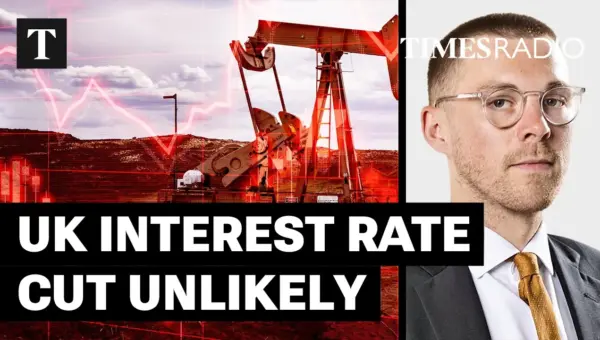
Iran War Fuels Inflation Fears, Bank of England Rate Cuts Unlikely
The escalating conflict in Iran has triggered a sharp rise in oil prices and heightened inflation fears, making Bank of England interest rate cuts unlikely this year. Financial markets are now anticipating potential rate hikes amidst geopolitical uncertainty and disrupted energy supplies.
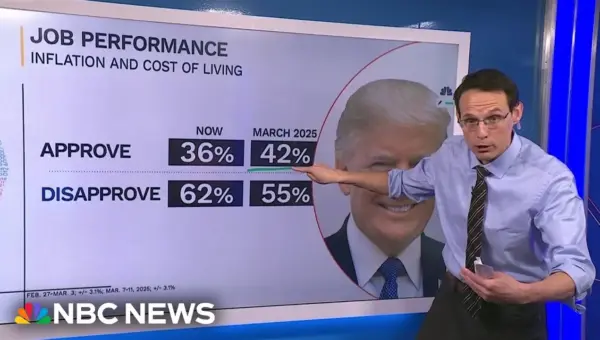
Trump’s Handling of Economy, Inflation Worsens Politically
President Trump's approval ratings on inflation and the cost of living are declining, mirroring the political challenges faced before the 2018 midterms. While immigration presents a mixed picture, economic concerns are increasingly weighing on his party's prospects.

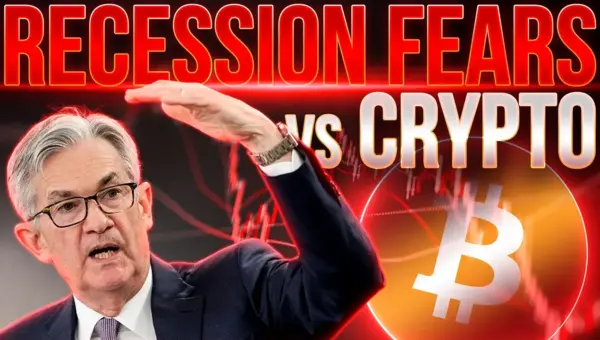
Oil Shock Fuels Recession Fears, Fed Faces Dilemma
Escalating geopolitical tensions and a confluence of concerning economic data are fueling widespread recession fears. Surging oil prices and the Federal Reserve's difficult balancing act between inflation and employment are creating significant market uncertainty. Investors are reassessing safe-haven assets and the importance of self-custody amidst the turmoil.