Fed Faces Inflation vs. Slowdown Dilemma
The Federal Reserve faces a tough choice as inflation fears clash with concerns about a slowing economy. Meanwhile, AI's rapid advance is disrupting the job market and private credit sector, creating new uncertainties for investors.

Fed Grapples with Economic Crossroads
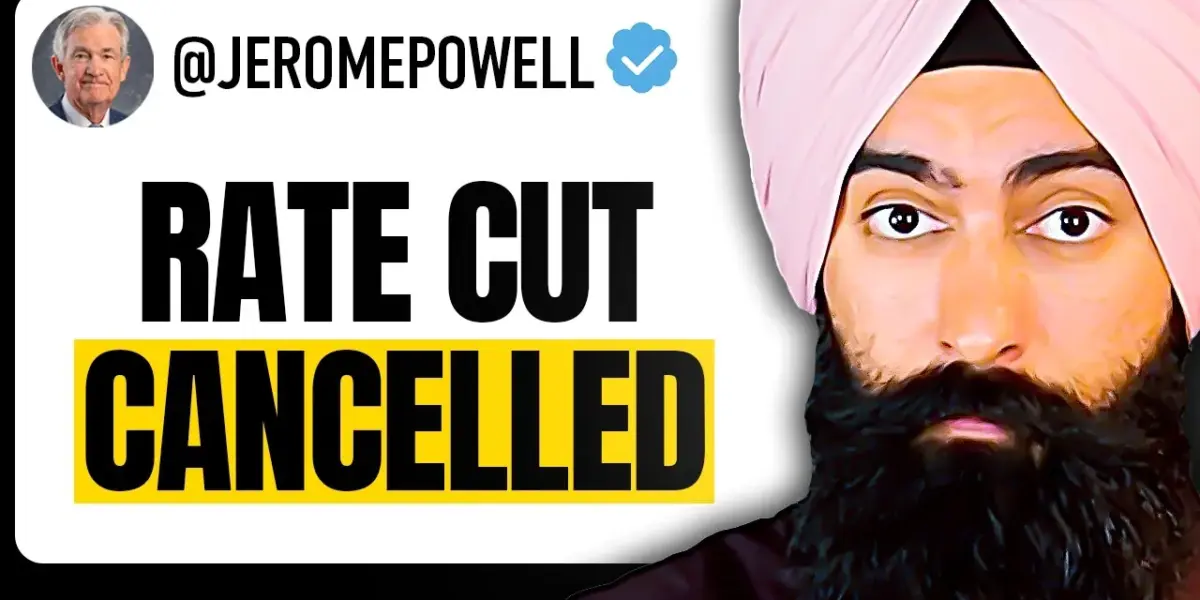
The Federal Reserve Bank is signaling growing concern over the U.S. economy’s direction. Recent statements from Chairman Jerome Powell suggest a cautious approach, with the Fed acknowledging uncertainty about future economic projections.
This uncertainty is compounded by a recent inflation report showing business costs, measured by the Producer Price Index (PPI), rising faster than expected. This data, collected before recent geopolitical events, indicates inflation pressures were already building. The conflict in the Middle East is expected to further increase oil prices, potentially worsening inflation.
The Fed’s Tightrope Walk
The Federal Reserve faces a difficult choice. On one hand, there are signs of a slowing economy, fueled by factors like the impact of artificial intelligence on jobs, trade tariffs, and the potential for recession due to the Middle East conflict. Typically, a slowing economy prompts the Fed to lower interest rates to encourage borrowing and spending.
However, this is countered by rising inflation concerns. The hotter-than-expected PPI report and high oil prices, driven by Middle East tensions, mean the cost of goods and services could climb. Higher oil prices translate to increased expenses for diesel, shipping, groceries, airfare, and energy. To combat inflation, the Fed usually raises interest rates, making borrowing more expensive and slowing down spending.
Interest Rate Outlook Shifts
Previously, the Fed had planned significant interest rate cuts in 2026. However, due to the escalating geopolitical situation and inflation worries, this outlook has changed. The Fed now anticipates only one interest rate cut for the remainder of 2026. This shift comes as President Trump has publicly called for lower interest rates, creating a complex political and economic backdrop.
Some economists are now suggesting that interest rates might need to rise in 2026 to control inflation. This situation echoes the 1970s, when an oil crisis led to prolonged high inflation and interest rates, with mortgage rates reaching as high as 18%. The concern is that persistent inflation could force the Fed’s hand, leading to higher borrowing costs.
AI’s Growing Impact on Jobs and Markets
Adding another layer of complexity, Larry Fink, CEO of BlackRock, the world’s largest asset manager, highlighted concerns about the job market. He predicts that recent college graduates might face the highest unemployment rates in years, even without a full-blown recession. This is largely attributed to the rapid advancement of artificial intelligence (AI).
AI is increasingly capable of performing entry-level tasks, particularly those done on computers. This could displace new workers entering the job market, many of whom are burdened with student debt. While AI is expected to create new jobs in the long run, the transition requires workers to adapt and learn new skills. Companies are increasingly looking for employees who can use AI to boost productivity significantly, potentially making those who don’t adapt vulnerable.
Private Credit Markets Under Pressure
The influence of AI is also being felt in financial markets, particularly in private credit. Software companies that once relied on stable, recurring revenue are now seeing demand for their services decline as AI tools offer cheaper alternatives. This revenue drop makes it harder for these companies to repay debts owed to lenders, including hedge funds.
This stress in the private credit sector has led major financial institutions like BlackRock, Morgan Stanley, and Blackstone to limit withdrawals from their private credit funds. Investors who had moved money into these funds seeking higher returns than traditional savings accounts are now finding their access restricted. This situation underscores the disruptive power of AI across various sectors of the economy.
Market Impact and Investor Considerations
The Federal Reserve’s dilemma between fighting inflation and supporting a slowing economy creates significant market uncertainty. The possibility of interest rates remaining higher for longer, or even increasing, could impact borrowing costs for businesses and consumers, potentially slowing economic growth.
Investors should monitor inflation data, particularly the impact of oil prices and geopolitical events. The rapid evolution of AI presents both risks and opportunities. Those in roles susceptible to automation may need to upskill or reskill to remain competitive. The private credit market’s struggles also signal potential volatility and the need for careful due diligence when considering alternative investments.
What Investors Should Know
- Inflation Risk: Persistent inflation, exacerbated by energy prices, could force the Fed to maintain higher interest rates, impacting investment returns and economic growth.
- AI Disruption: The accelerating adoption of AI is reshaping the job market and various industries, requiring adaptation and new skill sets for workers and businesses.
- Interest Rate Uncertainty: The Fed’s stance on interest rates is a key factor to watch, with potential for fewer cuts than previously expected.
- Geopolitical Impact: Conflicts and global instability can directly affect commodity prices, supply chains, and overall economic sentiment.
Source: It's Official: The Fed Is Getting Worried About The Economy (YouTube)

Related Articles

Iran Conflict Sparks Market Volatility, Experts Weigh In
Geopolitical tensions in the Middle East have rattled global markets, with stocks falling and safe-haven assets like the U.S. dollar strengthening. Experts suggest the market may have overreacted, creating potential buying opportunities, but warn of a "bumpy journey" ahead due to infrastructure damage and potential oil shortages. Concerns also linger about the Federal Reserve's independence amidst political commentary.

Markets Wobble as Geopolitics Shift Dramatically
Global markets are showing volatility as geopolitical tensions rise, with the Nasdaq nearing correction territory. Concerns over consumer spending, rising costs, and the nation's fiscal health are intensifying. Analysts debate whether current events represent short-term market noise or a fundamental "reinvention of geopolitics" with long-term implications.

Polls Reveal Deep Voter Concerns Over War, Economy for Trump
Recent polls and political analysis suggest President Trump faces significant challenges due to voter concerns about the prolonged conflict in Iran and the struggling economy. Republicans are growing anxious as these issues impact the president's standing, while Democrats see an opportunity to present themselves as a more stable alternative.