Fed Chair Race Faces Delays: What Investors Need to Know
The confirmation of the next U.S. Federal Reserve Chair faces unexpected delays due to procedural hurdles and political maneuvering. This uncertainty could lead to market volatility, impacting interest rates and inflation. Investors are advised to maintain a long-term strategy.

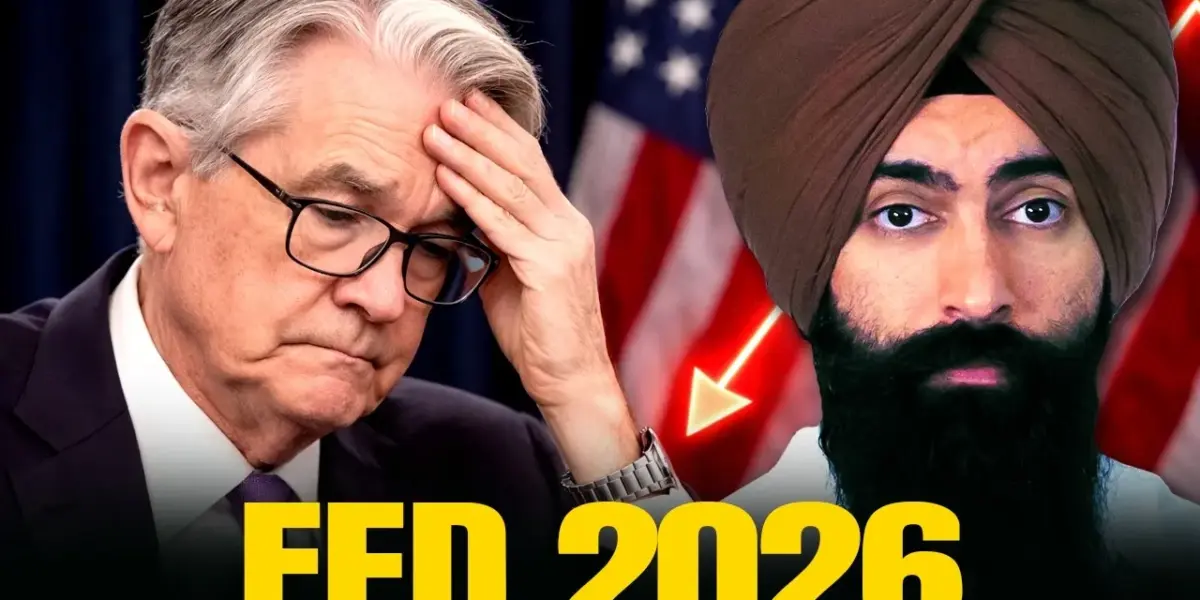
Fed Chair Transition Hits Roadblocks, Creating Market Uncertainty
The crucial transition of leadership at the U.S. Federal Reserve, a move that influences everything from mortgage rates to inflation, is facing unexpected delays. Originally slated for a handover on May 15th, the nomination of a new Federal Reserve Chair is now mired in a complex web of procedural issues and political maneuvering. This uncertainty is a key factor for investors to monitor as it can directly impact market stability and economic policy.
Understanding the Federal Reserve’s Power
The Federal Reserve, often called the ‘Fed’, is the central bank of the United States. While not a traditional bank, it holds immense power over the nation’s economy. It can control interest rates, affecting the cost of borrowing for consumers and businesses, and it can influence the money supply. This means the Fed plays a critical role in managing inflation and economic growth.
The Nomination and Its Challenges
President Trump had nominated Kevin Worsh to become the next Federal Reserve Chair, succeeding Jerome Powell whose term ends on May 15th. Trump favored Worsh, believing he would be more inclined to lower interest rates, a policy Trump has often advocated for. However, the nomination process has encountered three significant obstacles.
Obstacle 1: Unsubmitted Paperwork
The first hurdle is a simple administrative one: Kevin Worsh’s nomination paperwork has not yet been formally submitted to the Senate. While Worsh was nominated on March 4th, the process has been slow, reportedly due to the extensive financial ties associated with Worsh’s family, as he is married to the granddaughter of Estee Lauder. Without the paperwork, a confirmation hearing cannot be scheduled.
Obstacle 2: Senate Opposition and Investigations
The second major challenge arises from the Senate. A key Republican senator has stated he will not vote for any nominations until a criminal investigation into Jerome Powell is dropped. This investigation, reportedly concerning the misuse of funds for Federal Reserve buildings, is seen by some as a tactic to pressure Powell to resign. Adding another layer of complexity, Powell himself is reportedly refusing to leave until this investigation is concluded. This standoff could further delay Worsh’s confirmation.
Obstacle 3: New Senatorial Concerns
A third potential roadblock has emerged with Senator Elizabeth Warren raising concerns about Kevin Worsh related to the ‘Epstein files’. The specifics of these concerns are not detailed, but they represent another potential point of contention that could delay the nomination process.
Potential Market Outcomes
The delays create two main scenarios for investors to consider:
- Scenario 1: Worsh Nominated On Time or Soon After. If these issues are resolved quickly and Worsh is confirmed around May 15th, it could signal a shift in Fed policy. Worsh has previously indicated a desire to cut interest rates aggressively and tighten the balance sheet. Aggressively cutting rates could make borrowing cheaper but potentially worsen inflation. Tightening the balance sheet aims to reduce money in the economy.
- Scenario 2: A Significant Delay. If the delays are prolonged, Jerome Powell would remain as Fed Chair. Powell has indicated a cautious approach, especially given recent geopolitical events and rising oil prices, suggesting he is not considering interest rate cuts in 2026. This continuity offers a degree of certainty for markets.
What Investors Should Know
Wall Street generally dislikes uncertainty. The ongoing delays and the potential shift in leadership create ambiguity about future monetary policy. This can lead to increased market volatility, with stock prices fluctuating more rapidly as investors react to news and speculation.
The Worsh Factor: Past Views vs. Current Realities
Kevin Worsh’s past critiques of the Federal Reserve’s actions during the 2008 financial crisis, where he argued against cutting interest rates and printing money, suggest a historical inclination towards protecting the dollar’s value. However, the current economic climate, marked by potential inflation exacerbated by global conflicts and rising energy prices, presents a different challenge. The decision of whether to prioritize fighting inflation with higher rates or stimulating the economy with lower rates will be critical. This echoes historical situations, like the 1970s, where similar pressures led to extremely high interest rates to stabilize the dollar, albeit at the cost of a deep recession.
The Impact of Inflation and Geopolitics
The current conflict in the Middle East has driven up oil prices, increasing costs for gas, groceries, and shipping, which directly fuels inflation. This makes the Federal Reserve’s job more difficult, as cutting interest rates in an inflationary environment could worsen the problem. Investors will be watching closely to see how this dynamic influences the Fed’s decisions, regardless of who is at the helm.
Investor Strategy: Stay the Course
Despite the potential for market swings, a consistent investment strategy is advised. For passive investors, the principle of ‘Always Be Buying’ (ABB) remains key. This involves regularly investing a set amount, regardless of market conditions. During downturns, these periods can be viewed as opportunities to acquire assets at lower prices.
Active investors, and even passive investors seeking to enhance returns, should focus on understanding market movements and using volatility to their advantage. Buying quality assets during market dips, while maintaining emotional discipline, is crucial for long-term wealth building. The most successful investors often demonstrate the ability to remain calm and hold investments through turbulent times.
For those seeking to stay informed, resources like the free financial newsletter ‘Market Briefs’ offer daily breakdowns of economic news, market trends, and investment insights.
Source: Trump Just Paused The 2026 Fed Reset (YouTube)

Related Articles

Tiger Woods Arrested for DUI After Crash
Golf legend Tiger Woods was arrested for DUI in Florida following a dramatic rollover crash. Meanwhile, a government shutdown continues as House Republicans block a Senate deal, leading to airport chaos and TSA worker pay issues. The stock market also plummeted into correction territory amid fears of a prolonged Iran conflict.
Markets Tumble Amid Iran Tensions and Shutdown Gridlock
Wall Street experienced a significant slide today, with the Dow and Nasdaq entering correction territory, driven by escalating tensions with Iran and market uncertainty. Meanwhile, a government shutdown continues to cause chaos at airports nationwide, leaving thousands of workers unpaid and travelers facing long delays. The global energy supply is also under pressure, impacting prices and availability worldwide.

Iran Conflict Sparks Market Volatility, Experts Weigh In
Geopolitical tensions in the Middle East have rattled global markets, with stocks falling and safe-haven assets like the U.S. dollar strengthening. Experts suggest the market may have overreacted, creating potential buying opportunities, but warn of a "bumpy journey" ahead due to infrastructure damage and potential oil shortages. Concerns also linger about the Federal Reserve's independence amidst political commentary.