FBI Informants: Did Trump’s Own FBI Set Him Up?
A report about 274 FBI informants at the January 6th event sparks debate over who was in charge of the FBI. The discussion delves into past controversies like the Russia Collusion investigation and questions about government overreach.

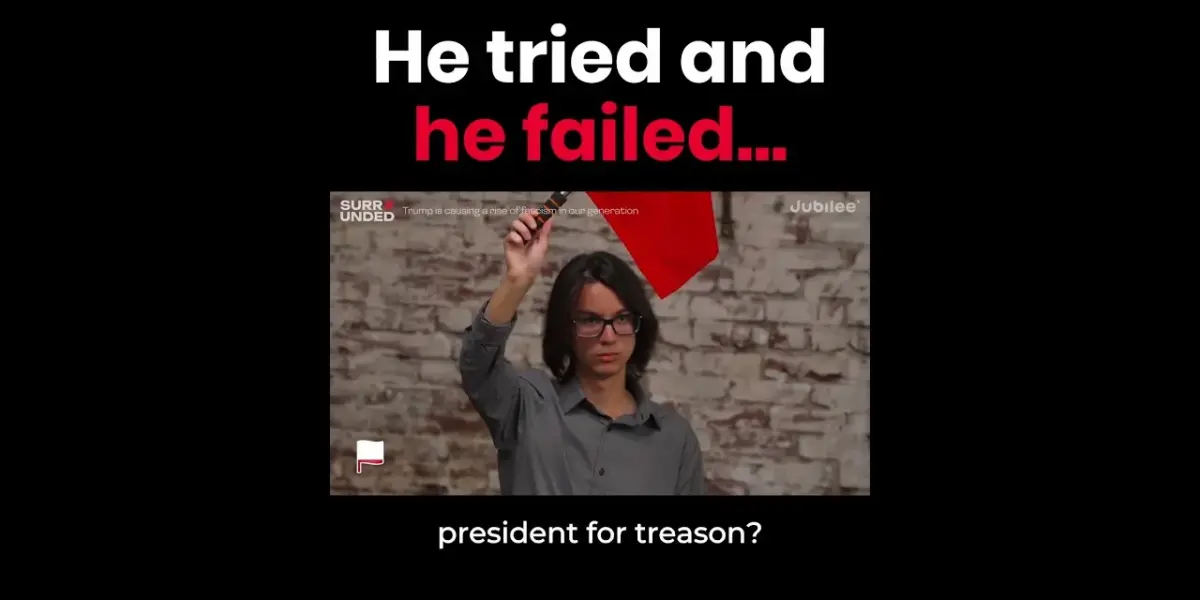
FBI Informants: Did Trump’s Own FBI Set Him Up?
A recent report claims there were 274 FBI informants present during the January 6th events. This news has sparked a heated debate, especially regarding who was in charge of the FBI at the time. Some people are pointing fingers, asking if the FBI acted independently or if it was influenced by the previous administration.
The discussion quickly turned to past controversies, like the ‘Russia Collusion’ investigation. This case involved claims that Donald Trump’s campaign worked with Russia to influence the 2016 election. Many believe the FBI pursued this investigation unfairly, trying to frame President Trump. This has led to questions about the FBI’s actions and motivations over the years.
Whose FBI Was It?
One key point of contention is whether the FBI was acting under Donald Trump or a later administration. The report about the informants emerged during President Biden’s term. However, the FBI itself was led by FBI Director Christopher Wray, who was appointed by President Trump in 2017.
This creates a confusing situation. If Trump appointed the FBI director, then the FBI’s actions during his presidency could be seen as part of his administration. This is further complicated by the fact that the FBI was involved in investigations that seemed to target Trump himself.
The same FBI that literally like colluded against him with Russia.
This statement highlights the deep mistrust some people have towards the FBI. They believe the agency has a history of working against certain political figures. The mention of the Russia investigation is central to this argument. It’s seen by some as a politically motivated effort to undermine Trump’s presidency.
The Russia Collusion Claims
The ‘Russia Collusion’ narrative dominated headlines for years. It suggested a secret plan between the Trump campaign and the Russian government. However, investigations, including one led by Special Counsel Robert Mueller, did not find sufficient evidence to prove this collusion.
Despite the lack of conclusive proof, the investigation had a significant impact. Critics argue that the FBI and other agencies spent too much time and resources pursuing this theory. They believe this effort was intended to damage Trump’s political career, essentially trying to frame him.
One specific point raised is the arrest of Trump’s campaign manager, Paul Manafort, in 2016. He was charged with financial crimes, and some of his activities involved dealings that had connections to Russia. This event is often cited as evidence of the broader concerns about Russian influence and potential collusion.
Questioning the Sources
During the conversation, the reliability of information sources came up. One person cited a report from Tulsi Gabbard, a former Congresswoman. However, the other person questioned this source, suggesting that even Donald Trump didn’t fully trust Gabbard on certain sensitive national security matters.
This highlights how political discussions can become tangled in who is saying what and where the information comes from. It becomes difficult to separate facts from opinions when sources themselves are debated. The claim about the 274 informants is one such piece of information that is being scrutinized.
Why This Matters
The presence of numerous informants within a group, especially during a significant political event like January 6th, raises serious questions about government overreach and the methods used by law enforcement agencies. It forces us to consider the balance between national security and civil liberties.
Understanding who was in charge of the FBI during key periods is crucial for accountability. It helps clarify whether actions taken were part of a legitimate investigation or a politically motivated campaign. This debate affects public trust in institutions like the FBI.
Implications and Future Outlook
The ongoing discussion about FBI informants and past investigations suggests a continued public skepticism towards government agencies. People are demanding more transparency about how these agencies operate and the information they gather.
This could lead to calls for greater oversight and reform within the FBI and other intelligence services. The public wants assurance that these powerful organizations are acting impartially and ethically. The way these questions are addressed will shape public perception and trust in the future.
Historical Context
Concerns about government surveillance and informant use are not new. Throughout history, intelligence agencies have used informants in various contexts, from combating organized crime to monitoring political movements. However, the scale and nature of informant involvement in events like January 6th are subjects of intense scrutiny.
The history of investigations into foreign influence, such as the Russia investigation, also shows a pattern of public debate and political division. These events often leave lasting impacts on how people view government power and its potential for abuse. The current debate is part of this larger historical conversation.
Source: This MAGA Kid Lost It… (YouTube)

Related Articles

Trump’s Impossible Demands Reshape Justice Department
President Trump's demand for loyalty and action outside legal norms has reshaped the Justice Department. Recent departures, like Pam Bondi's, highlight the difficulty of fulfilling the President's "impossible tasks." The search for a new Attorney General continues amidst concerns about the DOJ's independence.


Trump’s Leadership: A Moral Vacuum for Young Learners?
Young people seek moral guidance from leaders, but what lessons does Donald Trump offer? Some argue his approach teaches negative behaviors like bullying and isolation, contrasting with traits like patience and gratitude seen in others. This raises questions about leadership character and its impact on societal values.

Trump’s Transparency: A Press Secretary’s Bold Claim
President Trump's press secretary, Sarah Huckabee Sanders, claims his public persona is identical to his private one. She states his directness eliminates guesswork, making her job easier by providing clear, unspun messages.