FBI Director’s Italian Trip Amidst Scrutiny: Taxpayer Funds and Olympic Athletes
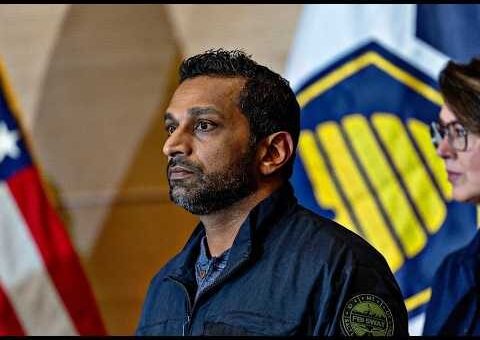
Questions have been raised regarding FBI Director Kash Patel's recent trip to Italy, where he reportedly interacted with Olympic athletes. The use of taxpayer funds for this excursion is under scrutiny, emphasizing the need for transparency and accountability in government spending.


Controversy Surrounds FBI Director’s Italian Excursion with Olympic Athletes
Recent reports have raised questions regarding the use of taxpayer funds and the nature of an official trip taken by FBI Director Kash Patel to Italy. The excursion, which involved interactions with Olympic athletes, has drawn attention for its potential implications on government spending and the appropriate allocation of resources.
The Italian Trip: Purpose and Participants
While the specific details of Director Patel’s itinerary in Italy remain under scrutiny, it has been indicated that the trip involved meetings and engagements with individuals associated with the Olympic Games. The presence of Olympic athletes at events attended by the FBI Director has fueled public interest and prompted inquiries into the objectives of this international visit.
Concerns Over Taxpayer Fund Allocation
A central point of concern revolves around the expenditure of taxpayer dollars for this trip. Government officials, particularly those in leadership positions within federal agencies like the FBI, are entrusted with public funds. Any travel undertaken by these officials is expected to be for legitimate government business, directly related to their official duties and yielding a demonstrable public benefit. The use of these funds for activities that could be perceived as recreational or not directly serving the national interest is a matter that warrants careful examination.
The principle of fiscal responsibility is paramount in public service. Taxpayers expect their money to be used efficiently and effectively, with transparency and accountability at every step. When trips involving high-ranking officials occur, especially those with elements that could be misconstrued, it is crucial for the relevant agencies to provide clear justifications and evidence that the travel was indeed necessary and conducted in accordance with established guidelines.
The Role of the FBI and its Director
The Federal Bureau of Investigation (FBI) is the primary domestic intelligence and security service of the United States, tasked with enforcing federal criminal laws and protecting the nation from threats. The Director of the FBI holds a position of immense responsibility, overseeing complex investigations, national security operations, and the management of a vast organization. Consequently, the Director’s travel, whether domestic or international, is typically subject to strict protocols and must align with the agency’s mission and strategic objectives.
International travel for FBI leadership often involves critical diplomatic efforts, intelligence sharing with foreign counterparts, or participation in global initiatives aimed at combating crime and terrorism. Each trip is expected to be meticulously planned, with a clear agenda, defined outcomes, and a thorough accounting of all associated costs. The justification for such travel must be robust, demonstrating a clear return on investment for the American people.
Broader Implications and Public Trust
Trips like the one taken by Director Patel to Italy, especially when they involve interactions with high-profile groups like Olympic athletes, can have broader implications beyond the immediate expenditure. Such events can shape public perception of government transparency and accountability. When the public perceives that taxpayer money might be misused or that officials are engaging in activities that appear less than professional, it can erode trust in governmental institutions.
Maintaining public trust is essential for the effective functioning of any government. Citizens are more likely to support government initiatives and comply with laws when they believe their leaders are acting with integrity and in the best interests of the nation. Therefore, any instance that raises questions about the appropriateness of government spending or the conduct of public officials requires prompt and thorough clarification.
Transparency and Accountability in Government Travel
The incident underscores the ongoing need for robust transparency and accountability mechanisms within government agencies. This includes clear policies on travel, comprehensive reporting requirements, and independent oversight to ensure that public funds are used judiciously. Citizens and watchdog organizations often play a vital role in holding government accountable by scrutinizing travel records and expenditure reports.
In situations where questions arise, a commitment to transparency from the agency involved is crucial. This might involve releasing detailed travel itineraries, explaining the official purpose of meetings, and providing a breakdown of costs. Such openness can help allay public concerns and reinforce the understanding that government officials are diligent stewards of taxpayer resources.
Conclusion
The reported trip by FBI Director Kash Patel to Italy, involving interactions with Olympic athletes and the use of taxpayer funds, highlights the importance of maintaining high standards of accountability and transparency in public service. As the details of the excursion continue to be examined, the focus remains on ensuring that all government travel is justifiable, cost-effective, and directly serves the interests of the American people.
Source: FBI Director Kash Patel spends taxpayer dollars flying to Italy to party with Olympics athletes (YouTube)

Related Articles


Iran War Claims and Epstein Cover-Up Allegations Surface
MeidasTouch host Ben Meiselas, on "Legal AF," has raised concerns over the legality of military actions in Iran and alleged cover-ups surrounding the Jeffrey Epstein case. The program aims to scrutinize governmental actions and potential misconduct.


Trump Faces Political Storm: A Week of Setbacks
Former President Donald Trump experienced a difficult week marked by a Supreme Court ruling against his tariffs and a poorly received State of the Union address. The period also saw controversy surrounding Kash Patel and unfavorable election results, signaling potential shifts in the political landscape.
FBI “Bloodbath”: Patel Fires Agents Probing Trump Probe
At least 10 FBI employees, including special agents, have reportedly been terminated under Kash Patel's leadership. The firings are alleged to be retaliation for their involvement in investigations into Donald Trump and his associates, particularly concerning classified documents. Legal experts are calling these actions a "bloodbath" and a severe abuse of power, while acknowledging the difficult legal path ahead for those seeking recourse.