Father’s Viral Plea Highlights Global Donor Registry Gaps
A father's viral social media plea to save his son Max has reached millions, highlighting critical underrepresentation in stem cell donor registries. Max, who is half Latino, faces slim odds of finding a match due to his mixed heritage. The campaign has spurred thousands to register but underscores a global need for donor diversity.


Father’s Viral Plea Highlights Global Donor Registry Gaps
A father’s desperate online call to save his son’s life has brought attention to a major issue in global health: the underrepresentation of minority groups in bone marrow and stem cell registries. One, the father of 15-year-old Max, posted a video explaining his son’s rare blood disorder. Max needs a stem cell transplant within months to avoid developing deadly forms of blood cancer. The video went viral, reaching tens of millions of people worldwide.
The Power of Social Media, The Limits of Reach
Max’s father shared his plea on social media, hoping to find a matching donor. The video quickly gained nearly 40 million views. This widespread attention is remarkable. However, despite the massive audience, the number of new donors signing up has not met the urgent need. One shared that over 100,000 new people registered as potential donors in a single weekend. This is a significant increase compared to typical yearly numbers for organizations like Be The Match.
Why Finding a Match is So Difficult
The search for a donor is especially challenging for Max because of his mixed heritage. He is half Caucasian and half Latino. Genetic matching for stem cell transplants relies on a complex system called HLA typing. This system looks at many different genes. There are billions of possible combinations of these genes. Having mixed heritage means more potential gene combinations. This makes finding a perfect match much harder.
For these types of stem cell transplants, the key thing is something called HLA type. It’s based on a number of different genes within those genes. And so there are just hundreds of millions, if not billions, of potential permutations and combinations. And then when you end up with mixed heritage, it just creates more potential permutations.
When Max’s family first learned he needed a transplant, they were told there were only two perfect matches in a registry of 42 million people. That’s a one in 20 million chance. This low probability is partly because people of mixed heritage, as well as Black and African American individuals, are less likely to be listed in these registries. One’s mission now includes raising awareness to increase the diversity of registered donors.
The Race Against Time
The urgency is heightened by the fact that the two potential perfect matches identified earlier are no longer available. Reasons for this can include donors changing their minds after signing up or failing to update their contact information. When Max’s family tried to activate these donors in January, they found them unreachable. This setback led them to begin their public awareness campaign in late January.
What Happens Without a Perfect Match?
If a perfect match donor cannot be found, Max’s medical team will likely proceed with a partial match. However, this comes with significant risks. A perfect match donor offers a much higher chance of long-term survival. The 5-year survival rate could be as high as 95% with a perfect match. This rate would be considerably lower with an imperfect match.
Global Impact: A Call for Diverse Registries
Max’s story highlights a critical global health disparity. Stem cell registries worldwide do not reflect the diversity of the populations they serve. This lack of representation means that patients from minority ethnic backgrounds face significantly longer odds of finding a life-saving match. The viral nature of One’s plea has brought this issue to the forefront, encouraging millions to consider becoming donors. It also underscores the need for targeted efforts to increase donor diversity in registries globally.
Historical Context: The Evolution of Donation
The concept of donating bone marrow and stem cells has evolved significantly since the first successful transplant in the 1960s. Early registries were often national and limited in scope. As medical understanding grew and the need for diverse donor pools became apparent, international registries and collaborative efforts emerged. However, historical patterns of migration, societal structures, and awareness campaigns have contributed to the current demographic imbalances in many registries. Max’s situation echoes past challenges faced by patients with rare genetic profiles, emphasizing the ongoing need for inclusivity in global health initiatives.
Economic Considerations and Future Scenarios
While the transcript does not detail economic factors like the cost of donor registration or transplant procedures, the drive for more donors is clear. The success of One’s campaign, measured in new registrations, shows the potential of public awareness. Future scenarios could include increased government funding for diverse donor recruitment, partnerships between healthcare providers and social media platforms, and technological advancements in HLA matching. The likelihood of finding matches for patients from underrepresented groups will significantly improve if registries can better mirror global diversity. The immediate future for Max depends on the continued success of this urgent appeal and the willingness of people worldwide to join the registry.
Source: Dad goes viral after urgent plea to find stem cell donor for son | Elizabeth Vargas Reports (YouTube)

Related Articles

MAGA Movement’s Grip: Echoes of January 6th Persist
Audio from January 6th reveals a disturbing justification for the actions of Ashli Babbitt, highlighting the persistent and troubling narratives within parts of the MAGA movement. This mindset continues to pose challenges to democratic norms.
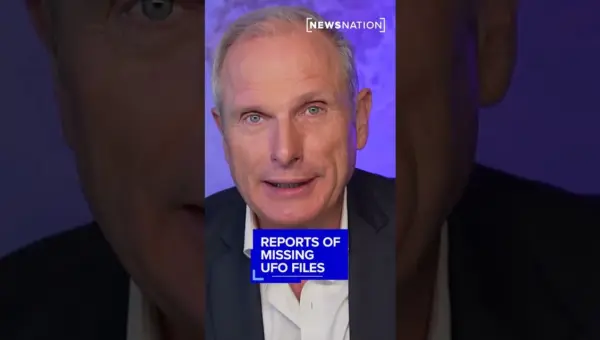
Missing UFO Files Spark Government Transparency Fears
Millions of UAP files temporarily vanished from a private archive, raising concerns about government transparency. While recovered thanks to backups, the unexplained deletion and server activity fuel speculation about data security and disclosure efforts.

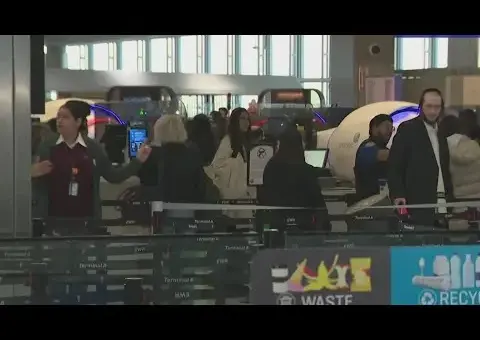
Jet Fuel Shockwaves: Airlines Warn of Fare Hikes, Flight Cuts
Rising jet fuel prices, driven by conflict in the Strait of Hormuz, are forcing airlines to warn travelers of higher fares and fewer flights. This comes as TSA lines ease, but worker pay remains uncertain, highlighting broader instability.