Farmers Face Soaring Costs Amid Middle East Energy Crisis
American farmers are grappling with sharply rising costs for fuel and fertilizer, driven by the ongoing conflict in the Middle East. This energy crisis adds to existing economic pressures, including low crop prices and trade disputes, creating significant financial uncertainty for the agricultural sector.


Midwest Farmers Feel Pinch of Global Conflict
American farmers in the Midwest are experiencing a significant economic impact from the conflict in the Middle East. While geographically distant, the war involving Iran and disruptions to energy supplies are directly increasing the cost of essential farming materials like fertilizer and diesel fuel.
One farmer shared, “The fuel I will need to buy this spring will be 30% higher than before the war started.” This price hike directly affects the operational costs for planting and harvesting crops, a critical period for agricultural success.
Fertilizer Prices Spike Dramatically
Fertilizer costs have also seen a sharp rise, compounding the financial pressure on farmers. “I already have purchased my fertilizer and it’ll be put on. Um, but that’s still over 30% from higher than what I paid the year before,” explained another farmer. This means even those who planned ahead are facing increased expenses.
The situation creates a divide among farmers. Those who managed to secure their supplies of fuel and fertilizer before the conflict began are in a better position for the upcoming planting season. However, they are already anticipating that higher input costs could continue for an extended period, potentially reducing their profits for years.
Broader Economic Challenges Mount for Farmers
The energy crisis is just the latest in a series of challenges facing American agriculture. For some time, crop prices have not kept pace with the rising costs of production. This has made it difficult for farmers to cover their expenses and turn a profit.
Furthermore, trade disputes have impacted key export markets. China, historically a major buyer of American agricultural products, is not purchasing the same volumes as before. This reduced demand puts downward pressure on prices and leaves farmers with more unsold inventory.
Adding to these difficulties are existing tariffs on imported goods that farmers may need, such as machinery or chemicals. These tariffs can increase the cost of essential equipment and supplies, further straining farm finances.
The Cycle of Debt and Uncertainty
Many farmers operate on a model of borrowing money to cover the costs of planting and tending to their crops. They then rely on selling those crops to repay the loans and cover their operating expenses.
A difficult year, where crop prices are low or demand is weak, can leave farmers holding onto their harvest in hopes of a price rebound. “Our bins right here that we’re setting aside, a lot of our bins remained full because we’re holding those commodities until the prices rebound,” a farmer noted.
This situation can lead to significant financial strain. If farmers are heavily in debt, failing to repay loans means interest continues to accumulate on their mortgages and other debts. This creates a difficult cycle that can be hard to escape.
A Climate of ‘Black Swan’ Events
The unpredictable nature of these crises has led some farmers to describe their situation with a sense of overwhelming uncertainty. “We used to say, ‘What’s the black swan event?’ And I go, ‘There’s no more black. They’re all black swans now,'” one farmer stated, referring to unexpected and impactful events.
The sentiment is one of looking for positive developments or solutions amidst the ongoing challenges. Farmers are accustomed to facing difficulties, but the frequency and severity of recent events are testing their resilience.
Looking Ahead: Resilience Tested
The ability of American farmers to navigate these compounding crises will depend on how severe the economic downturn becomes and how long these high costs persist. The ongoing conflict in the Middle East and its ripple effects on global energy and commodity markets mean that uncertainty is likely to remain a significant factor for the agricultural sector in the coming months.
Source: American farmers fret over energy crisis | DW News (YouTube)

Related Articles


Farmers slam ‘out of touch’ administration policies
John Boyd Jr. of the National Black Farmers Association criticized the White House for being "out of touch" with struggling farmers. He highlighted rising costs for fertilizer and fuel, a lack of invitations to key events, and the urgent threat of farm foreclosures, calling the administration's proposed solutions inadequate.

Trump Promises Farmers 20% Income Boost, Tax Relief
Former President Donald Trump addressed a large gathering of American farmers, highlighting a 20% surge in farm income and detailing tax cuts and regulatory relief. Key policies discussed include bonus depreciation for equipment, elimination of the estate tax, and expanded trade deals. The administration also announced new loan guarantees and efforts to reduce equipment repair costs.

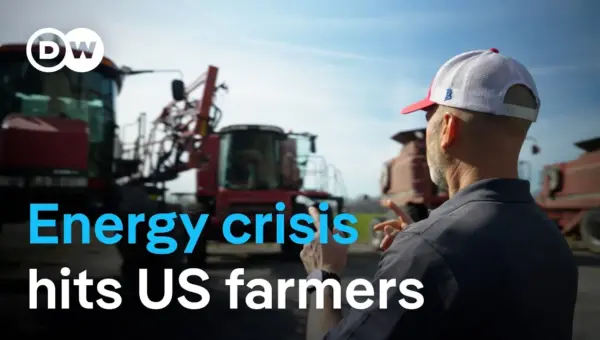
Middle East War Sparks Farmer Crisis in US
American farmers are facing a severe cost crisis as the war in the Middle East drives up prices for essential supplies like fertilizer and fuel. The conflict's disruption to global shipping routes is creating economic hardship, adding to existing challenges from trade wars and market fluctuations. Farmers are calling for stability and open markets rather than bailouts.